
Eco Retreat Business Australia — How to Start, Plan and Operate a Profitable Eco Retreat
Starting an eco retreat business in Australia is one of the highest-conviction hospitality investments available right now. Demand from eco-conscious domestic and international travellers is growing faster than supply. The operators capturing this market are not the biggest — they are the most deliberate.
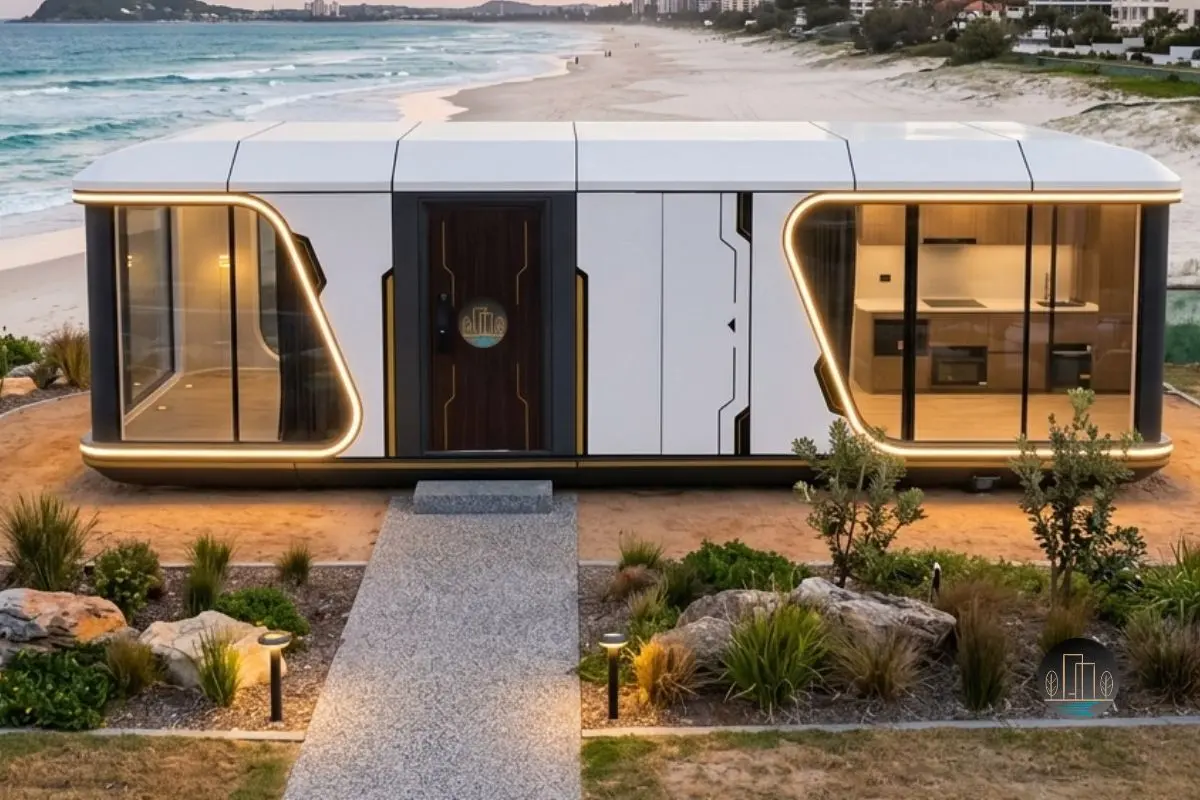
This guide covers what successful eco retreat operators in Australia do before the first guest arrives — from site selection and zoning, through DA approval, to booking platform strategy and the operational structures that protect margin at scale.
Eight steps to launching an eco retreat business in Australia
The single most consequential decision in eco retreat development. Assess: zoning (RU1, RU2, E3, C2 are most commonly permissible), access road quality, ecological values that support your brand, proximity to demand generators (wine regions, national parks, coast), and existing services or off-grid viability. Engage a planning consultant before purchase — not after.
Commercial short-stay accommodation requires Development Consent in all Australian states. A pre-DA meeting with your local council before lodging is standard practice and saves months. Prepare a Statement of Environmental Effects, a site plan, and a management plan for noise, waste, and traffic. Joey Luxe can provide technical documentation on unit specifications, footprint, and reversibility to support the application.
Most eco retreat operators incorporate a Pty Ltd company for liability separation. A trust structure may offer tax advantages at scale. You will need public liability insurance (minimum $20M for commercial accommodation), property insurance covering the units, and — if operating in a fire-prone zone — a Bush Fire Attack Level (BAL) assessment. Legal advice specific to short-stay tourism is worthwhile before trading.
This decision determines your capital requirement, construction timeline, and guest experience. Joey Luxe factory-built capsule units — the Jetstone (1BR, from $99,000) and Juniper (2BR, from $139,900) — install in 2–4 working days per unit. A 5-unit eco retreat can be fully installed in two weeks. See the full eco retreat specifications at the eco retreat accommodation guide.
If your property lacks mains power or reticulated water, or if your brand requires genuine off-grid credentials, this step precedes or runs in parallel with unit installation. Solar PV, battery storage, composting sanitation, and rainwater systems need to be designed and contracted before the units arrive. Joey Luxe units are pre-wired for solar-ready connection — no retrofit electrical work is required.
Professional photography is the highest-ROI investment an eco retreat operator makes before launch. A single excellent photography session generates the listing images, website visuals, and social media content that drive bookings for years. Price at the top of your market from launch — underselling a premium eco retreat in the first months sets guest expectations and review benchmarks that are difficult to reverse.
List on Airbnb (broadest reach), a direct booking website (Lodgify or Hostaway with direct booking capability), and at least one eco/glamping-specific platform (Glamping Hub, Hipcamp, or Outdoorsy). A channel manager from day one prevents double-bookings and removes the administrative load of managing multiple calendars. Aim for 20–30% direct bookings within 12 months of launch to reduce platform fee exposure.
The review cycle is the primary growth mechanism for an early-stage eco retreat. The first 50 reviews determine ranking on every platform for the following 2–3 years. Invest disproportionately in the guest arrival experience, welcome materials, and response speed in the first year. A personal touch from the operator in early stays generates reviews that professional management at scale cannot replicate.
Land zoning and DA — what you need to know by state
Development approval requirements for eco retreat accommodation vary significantly across Australian states and local governments. The following is a general guide — always verify with your specific local council and a qualified planning consultant before committing to a site purchase.
| State | Common permissible zones | Typical DA timeframe | Key consideration |
|---|---|---|---|
| NSW | RU1, RU2, E3, C2 with consent | 3–9 months | Biodiversity offset requirements in sensitive areas |
| VIC | Farming, Rural Living, Environmental Significance Overlay | 4–10 months | Bushfire Management Overlay in high-risk areas |
| QLD | Rural, Rural Residential, Environmental Management | 3–8 months | State Assessment and Referral Agency (SARA) for certain sites |
| WA | Agriculture, Rural, General Rural | 4–12 months | Remote site access and ATAP requirements in bushfire zones |
| SA | Primary Production, Rural, Conservation | 3–7 months | Native vegetation clearance regulations |
| TAS | Rural, Environmental Management | 2–6 months | Heritage and natural values overlay common in high-appeal areas |
Joey Luxe's factory build timeline (typically 10–16 weeks) runs in parallel with your DA and site preparation — not after council approval. This means your units are ready to deliver the week your approval arrives, rather than starting a 16-week wait on that date. For operators, this can compress time-to-revenue by 4–6 months.
Booking platforms and direct channels — where eco retreats are booked
The dominant platform for eco retreat discovery in Australia. Eco-tagged listings receive strong organic reach. Start here. Invest in Superhost status early — it materially affects search ranking and conversion. Note: Airbnb's 3% host service fee is the lowest of the major platforms.
Purpose-built for glamping and eco accommodation. Attracts higher intent, eco-aware travellers. Conversion rates are strong. Less volume than Airbnb but higher average booking value and a guest profile well-matched to premium eco retreats.
Growing strongly in Australia. Strong with nature-immersive experiences. Well suited to eco retreats with a bush or coastal setting. Booking fees are competitive and the platform actively promotes sustainable properties.
A direct booking website (Lodgify, Hostaway, or Squarespace + Stripe) saves 14–18% in platform fees on every booking. Investment in SEO and repeat guest incentives from day one builds a direct channel that compounds over time. Target 20–30% direct bookings within 18 months of launch.
Frequently asked questions
Starting an eco retreat business in Australia requires site selection and zoning assessment, a Development Application for commercial short-stay accommodation, accommodation infrastructure (Joey Luxe eco retreat capsule units are well-suited), booking platform setup, and an operational plan. A 5-unit eco retreat on suitable land can reach its first paying guest within 6–12 months of initial planning.
Eco retreat development is most commonly permissible on RU1 (Primary Production), RU2 (Rural Landscape), E3 (Environmental Management), C2, and some rural zones — though state-specific zone names vary. A planning consultant experienced in eco-tourism DA applications is essential before purchasing land.
DA timeframes vary by state and council: NSW typically 3–9 months, VIC 4–10 months, QLD 3–8 months. Joey Luxe factory-builds your units during the DA period — so approval and delivery can coincide, compressing time-to-revenue considerably.
Airbnb (broadest reach), Glamping Hub (high-intent eco travellers), Hipcamp (nature immersion focus), and a direct booking website are the recommended channel mix for Australian eco retreat operators. A channel manager from day one prevents double-bookings across platforms.
Start with the accommodation. Joey Luxe eco retreat capsule units are solar-ready, off-grid capable, and install in days. 48-hour response, no obligation.