
Tourism Accommodation Australia — Scalable Capsule Infrastructure for Regional Tourism
Factory-built, BCA-compliant capsule units for tourism parks, national park gateway towns, and regional tourism infrastructure projects — deployed in weeks, not years.
Regional Australia has a tourism accommodation problem that traditional construction cannot solve fast enough. Demand for short-stay accommodation near national parks, coastal towns, and inland tourism corridors is growing — but the supply of quality accommodation is constrained by construction timelines, contractor availability, and capital cost. Factory-built capsule units close that gap.
The regional accommodation shortage — and the infrastructure response
Across Australia, regional councils and tourism bodies are reporting the same pattern: visitor numbers to national parks, coastal towns, and inland tourism routes are recovering and growing, but accommodation supply has not kept pace. The result is lost visitor nights, reduced regional spend, and pressure on existing accommodation that pushes prices beyond what budget and mid-market travellers will pay.
Traditional motel or cabin park construction takes 18 months to 3 years from planning to opening and requires $350,000–$600,000+ per key. For a council or private operator assessing a 20-unit tourism accommodation project, that is a $7M–$12M capital commitment with a multi-year timeline before the first dollar of revenue arrives.
Factory-built capsule units — the same Jetstone and Juniper units used across Joey Luxe's capsule hospitality range — offer a materially different proposition: a 20-unit cluster costs approximately $2.2M–$3.5M all-in and can be open for guests within 4–6 months of order confirmation.
A tourism accommodation gap is not just a missed commercial opportunity — it is a constraint on regional visitor economy growth. Every visitor who cannot find a bed within a reasonable radius of an attraction either shortens their stay, stays elsewhere, or does not come at all. Capsule accommodation infrastructure allows regions to respond to demand within a single budget cycle rather than a multi-year capital works program.
Three deployment models for tourism accommodation
Capsule accommodation infrastructure suits a range of tourism accommodation contexts. The three most common deployment models are outlined below.
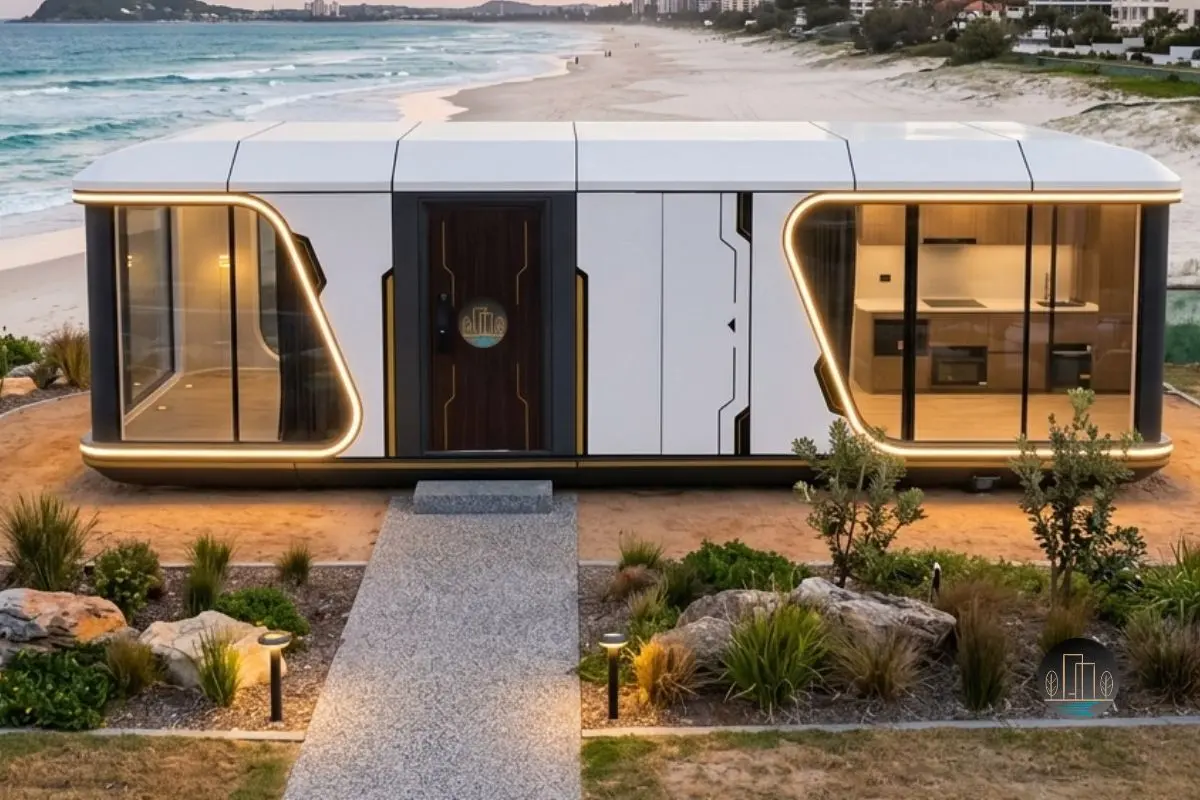
Small clusters of 5–15 units positioned in towns adjacent to national parks, walking trails, or coastal reserves — capturing overnight stays from day-trip visitors who would otherwise return to a major centre.
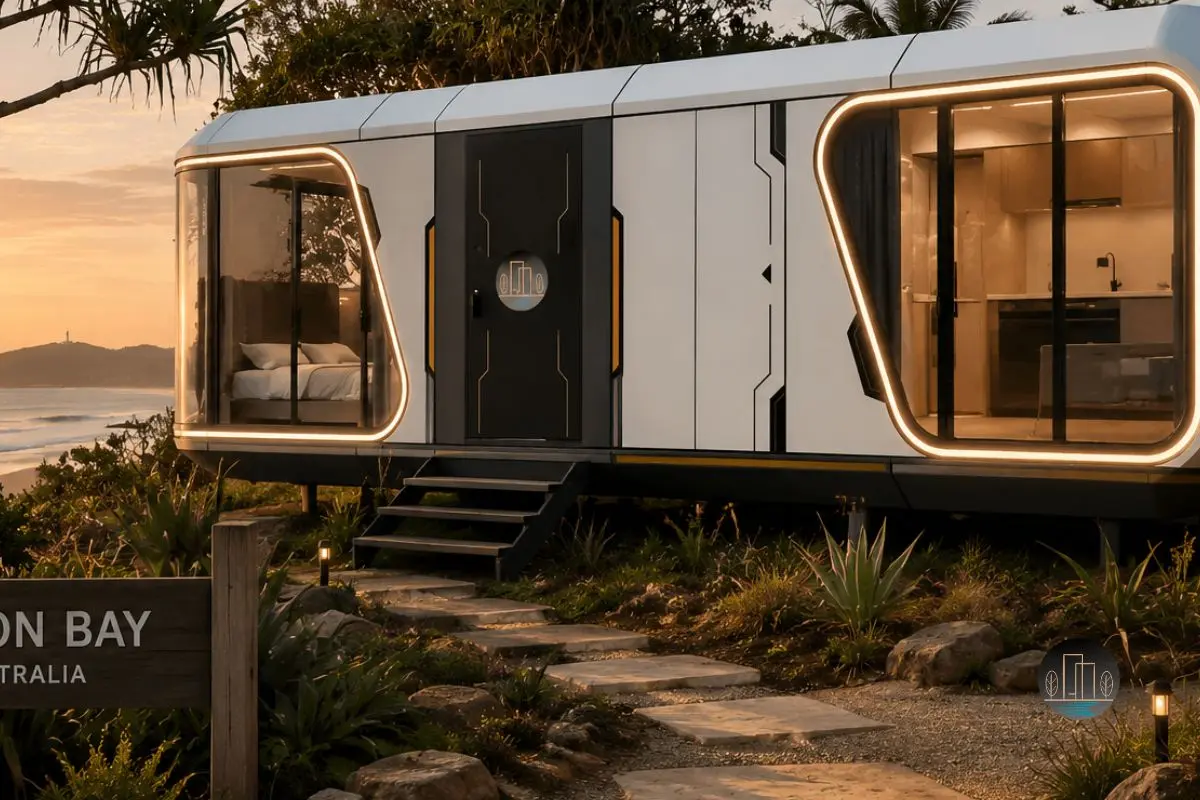
Existing caravan and tourism parks adding or replacing ageing cabin stock with hotel-grade capsule units — lifting the average nightly rate and guest review profile without a full park redevelopment.
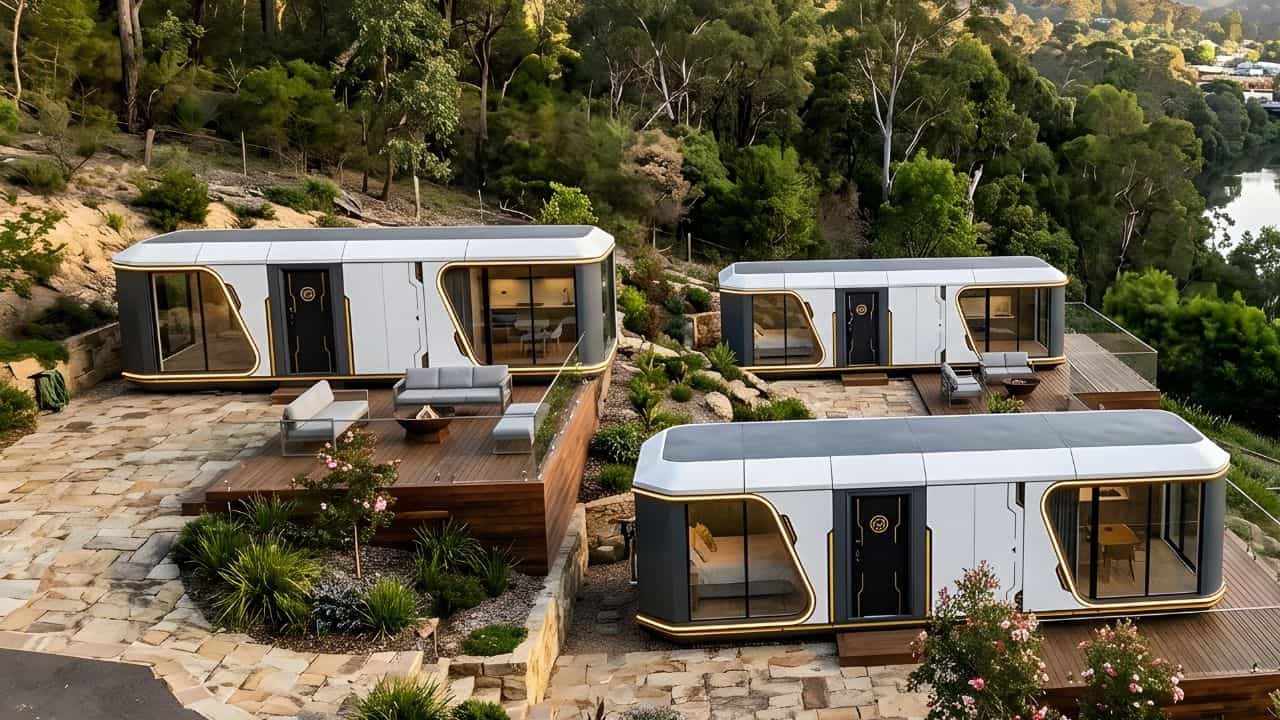
Council-led or government-backed accommodation projects addressing visitor accommodation shortages, workforce accommodation needs, or regional tourism strategy targets — supported by fixed pricing and compliance documentation suited to tender and grant processes.
Financial example — 20-unit regional tourism park
The following example illustrates the financial profile of a mid-sized tourism accommodation cluster combining both Joey Luxe models for a mixed-occupancy guest base.
From feasibility to opening — the deployment process
We provide indicative unit pricing, configuration options, and delivery timelines to support your feasibility study, business case, or grant application. No cost, no obligation — most feasibility conversations begin with a site description and visitor demand context.
Development Application and procurement processes run alongside the factory build. For council and government projects, Joey Luxe can supply fixed pricing and compliance documentation suited to tender evaluation and reporting requirements.
Units are delivered and installed in stages — 2–4 working days per unit. A 20-unit cluster typically installs across 4–6 weeks depending on site access and crew scheduling, allowing partial opening while remaining units are installed.
Units are commissioned and handed over ready for guest bookings. Whether managed directly, by a third-party operator, or listed across short-stay platforms, the property can open to guests within the same season as the order is placed.
Capsule infrastructure vs traditional tourism park construction
| Factor | Traditional construction | Joey Luxe capsule infrastructure |
|---|---|---|
| 20-unit project cost | $7M–$12M+ | $2.2M–$3.5M |
| Time to opening | 18 months–3 years | 4–6 months |
| Procurement risk | Variable tender outcomes, cost overruns | Fixed factory pricing |
| Compliance documentation | Assembled across multiple contracts | Supplied with each unit at handover |
| Staged opening | Difficult — usually single completion date | Units can open progressively as installed |
| Capital saved (20-unit project) | — | $4.5M–$8.5M+ |
Explore the tourism accommodation knowledge base
The following spoke guides cover the specific operational, financial, and procurement dimensions of tourism accommodation projects.
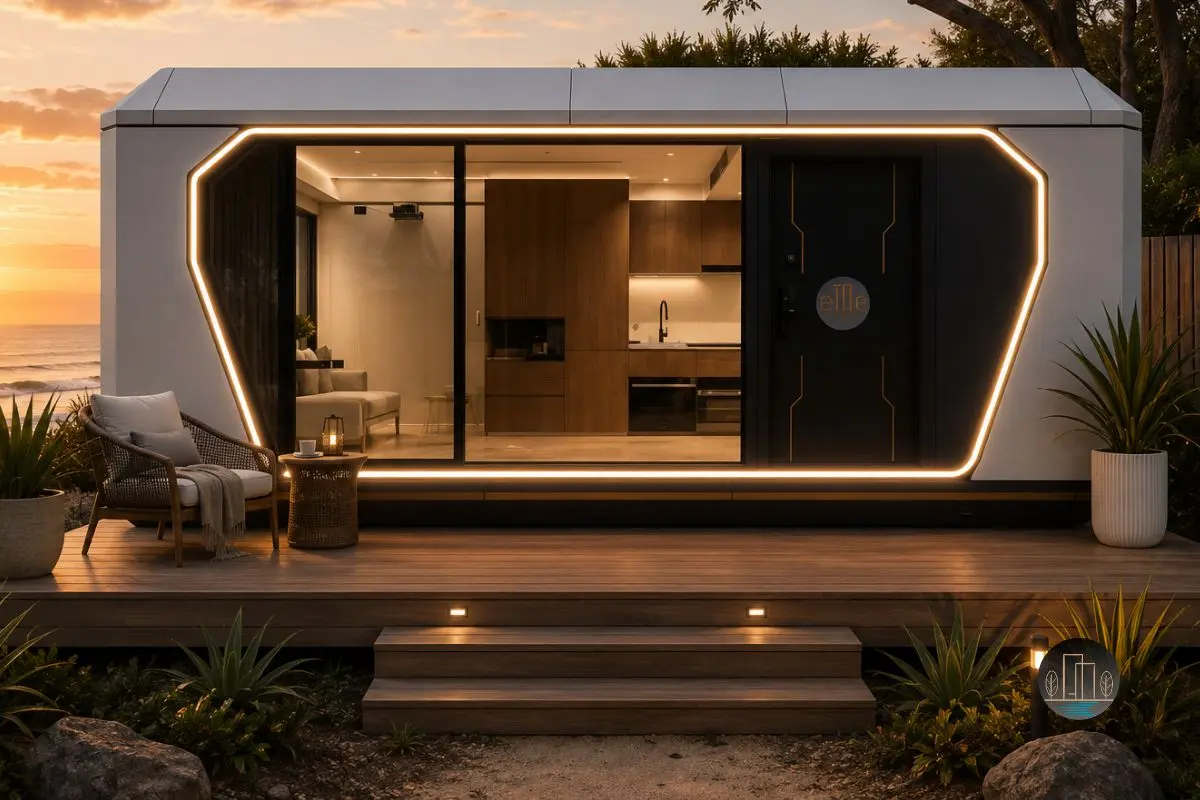
Step-by-step guide to planning a tourism accommodation development — from site selection and zoning to unit mix and staged delivery.
Read the guide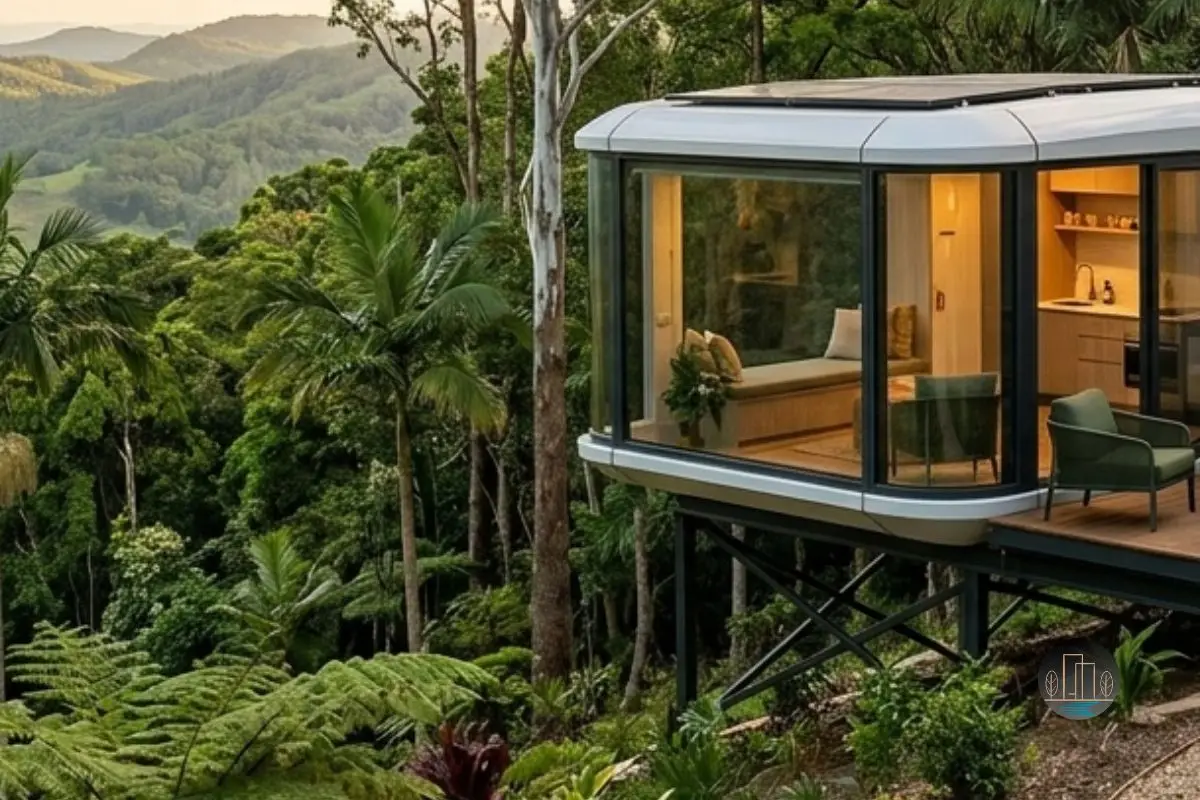
Revenue modelling for tourism accommodation clusters of various sizes, with occupancy benchmarks for gateway towns and regional tourism parks.
Read the guide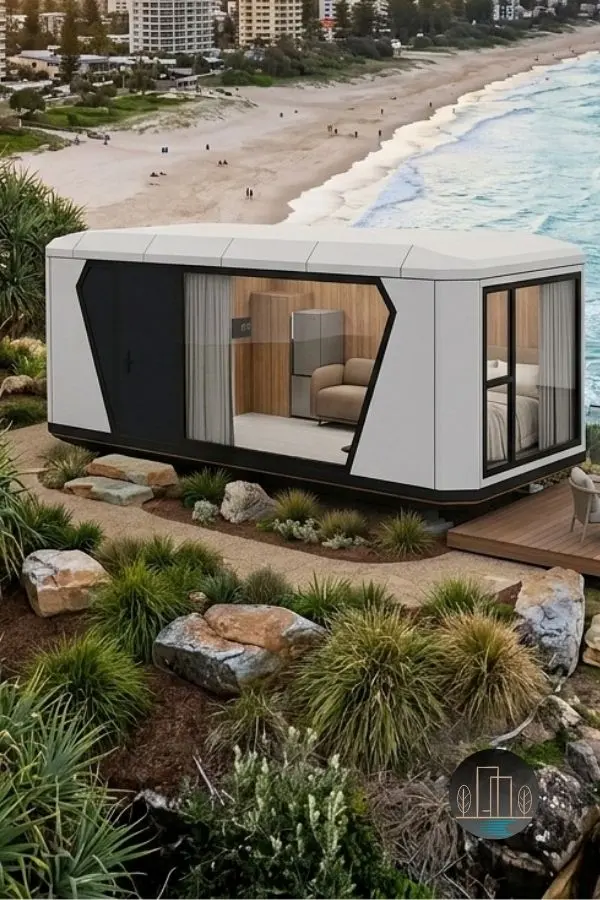
A region-by-region look at where Australia's tourism accommodation gaps are most pronounced, and what that means for early movers.
Read the guide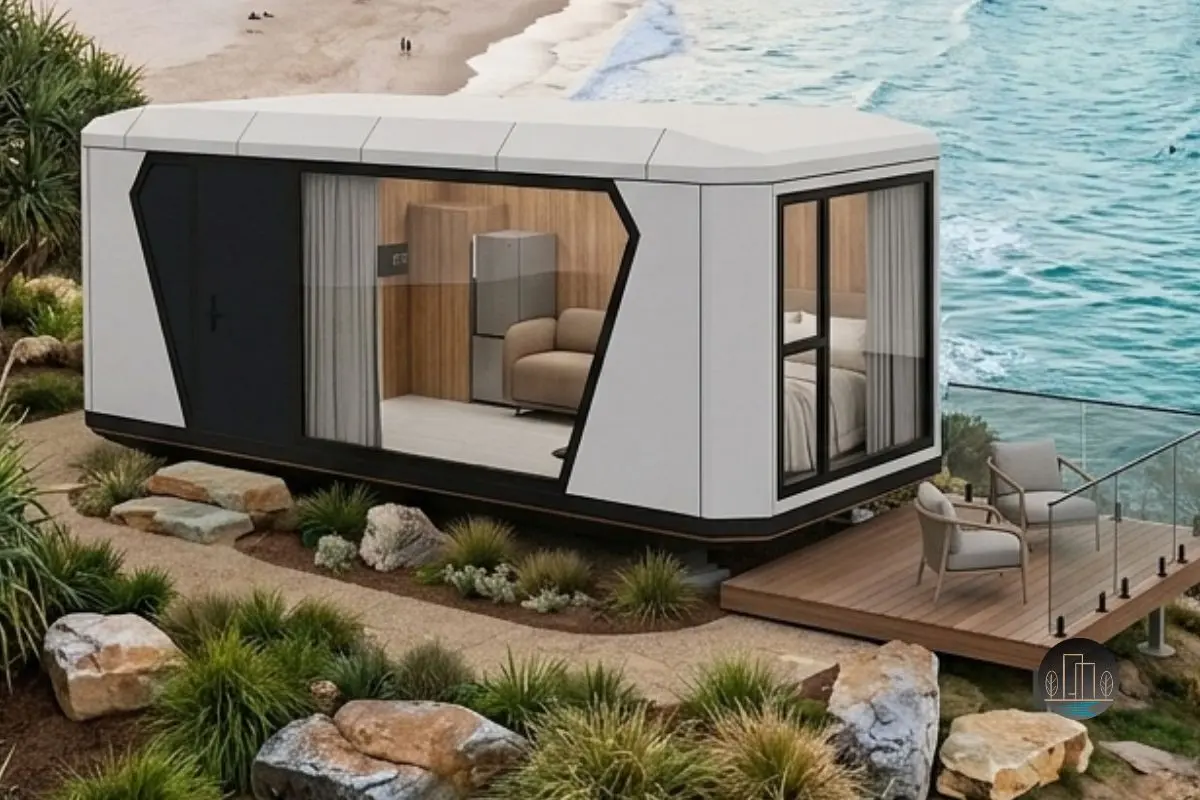
What a tourism accommodation feasibility study needs to cover, and how factory-built capsule units simplify the costing and procurement sections.
Read the guide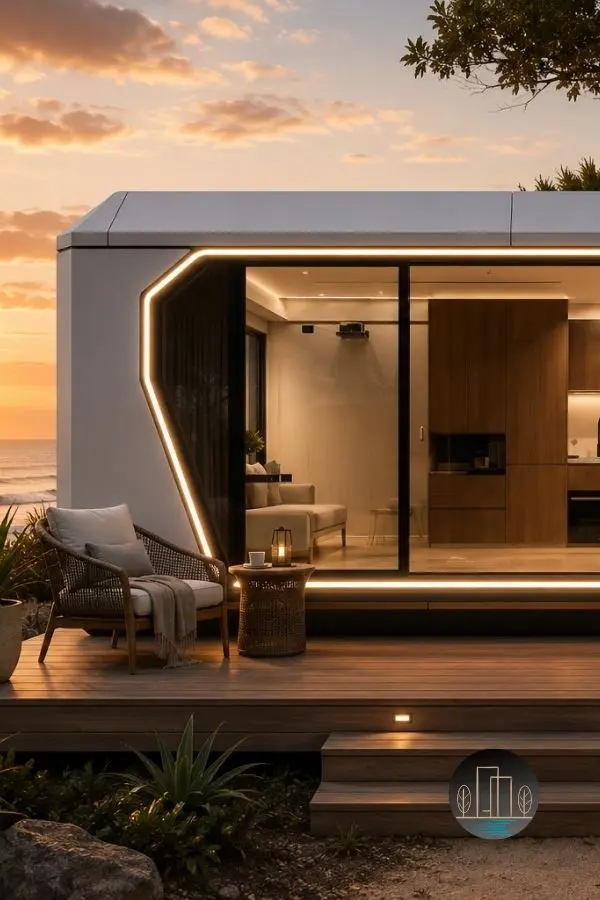
How capsule accommodation infrastructure fits within Australia's broader tourism investment landscape — for private investors and public-private partnerships.
Read the guideRelated guides
Frequently asked questions
Tourism accommodation infrastructure refers to purpose-built short-stay accommodation deployed at scale to serve regional tourism demand — tourism parks, national park gateway towns, and council or government-backed visitor accommodation projects. Joey Luxe capsule units provide factory-built, BCA-compliant accommodation that can be deployed in clusters of 5 to 50 or more units to meet regional visitor capacity needs.
Yes. Factory-built capsule units are well suited to council-led and government-backed tourism accommodation projects because they offer fixed pricing, fast deployment, and BCA compliance documentation supplied with every unit — reducing procurement risk and project timelines compared to traditional construction tenders. Joey Luxe can supply indicative costings suitable for inclusion in feasibility studies, business cases, and grant applications.
A tourism accommodation feasibility study should cover: visitor demand data for the region, land zoning and Development Application pathway, site access and services availability, unit mix and configuration, capital cost and funding sources, and projected occupancy and revenue. Joey Luxe can provide indicative unit costings and specifications to support a feasibility study or grant application — contact us directly to start the conversation.
Regional tourism, delivered faster.
Whether you are scoping a feasibility study, preparing a grant application, or ready to procure — we can provide indicative costings and unit specifications within 48 hours.