
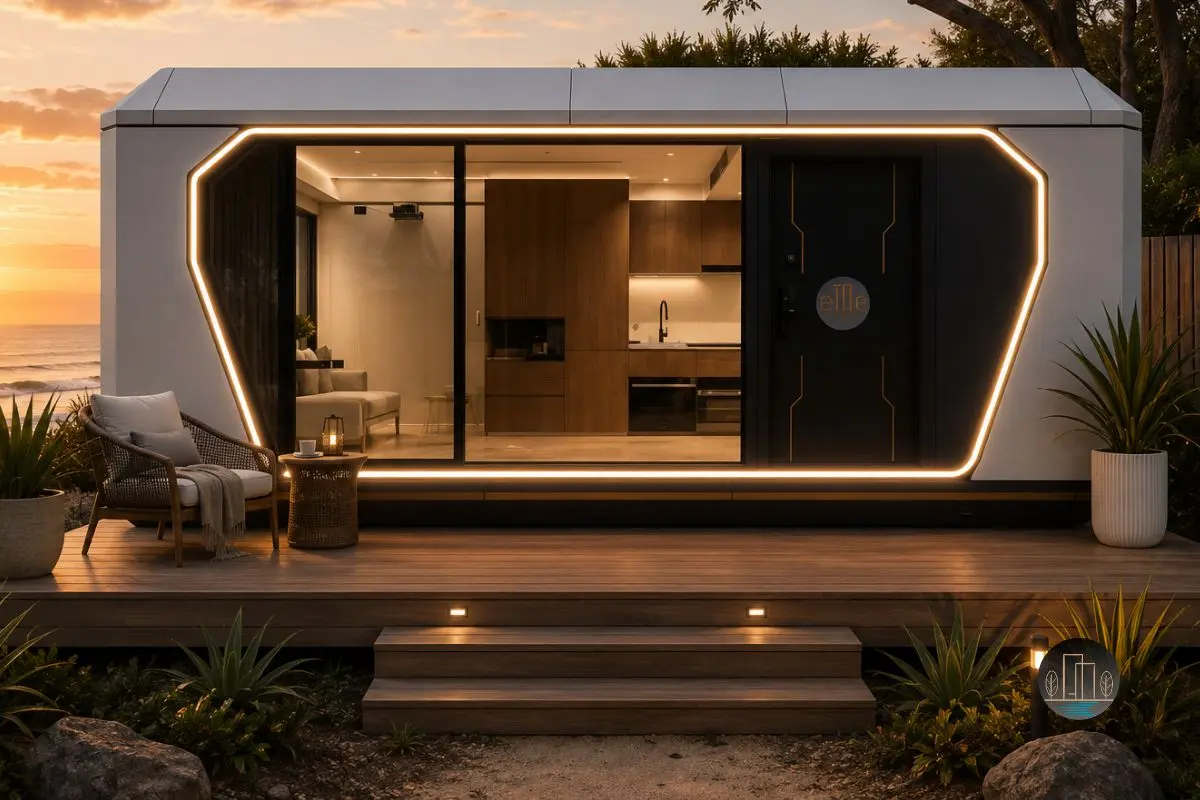
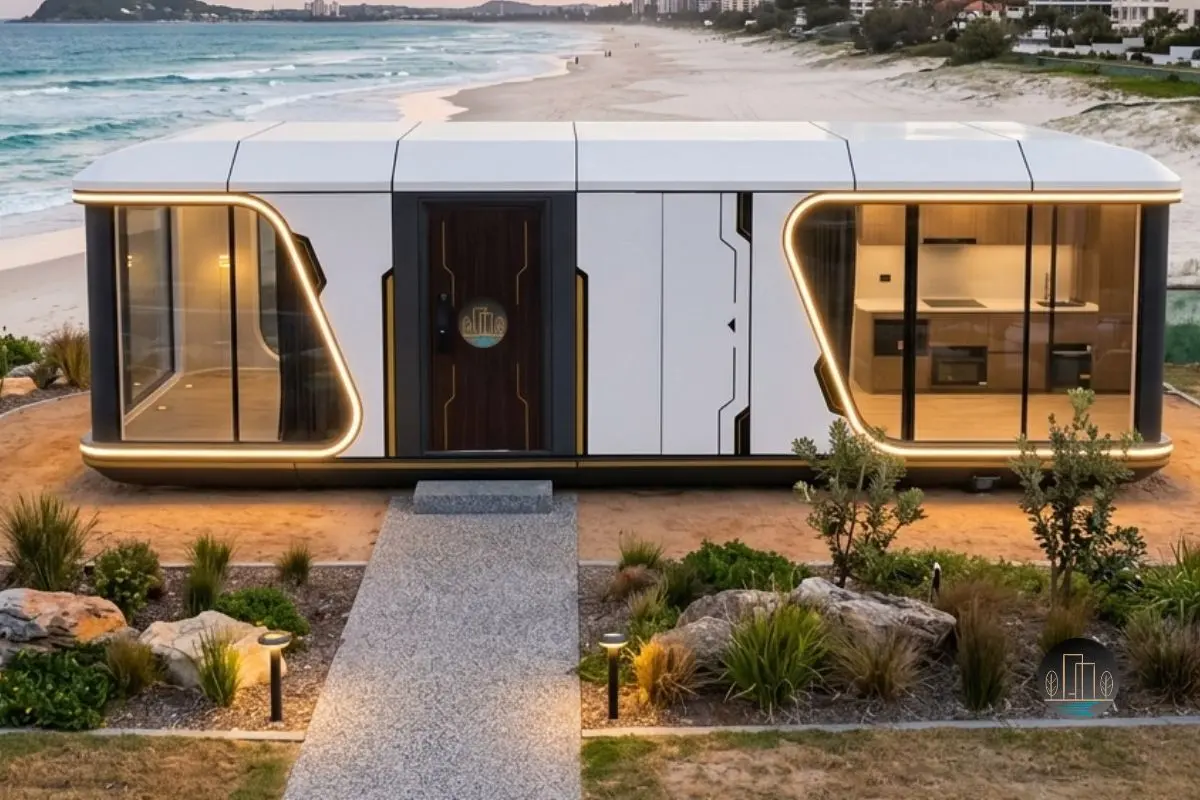
The more Capsule House you add,
the better the margins get.
For glamping operators, eco-retreats, farm stay clusters, and tourism developers, the Joey Luxe economics improve as you scale. Fixed costs don't grow with unit count. Revenue does. Here is what multi-capsule house hospitality sites actually earn.
Model your site returns Investment overviewWhy multi-capsule house hospitality sites generate disproportionately strong returns
The defining characteristic of a multi-capsule house hospitality operation is that fixed costs do not scale with revenue. Insurance, rates, booking platform subscriptions, property management tools, and — where relevant — on-site coordination are largely fixed expenditures that are spread across an increasing revenue base as you add units.
A two-capsule house site might allocate 32–35% of gross revenue to operating costs. A six-capsule house site on the same property, with the same fixed cost base, might see that percentage fall to 22–26% — with the difference flowing directly to net operating income. This is the hospitality economics principle that makes staged expansion so compelling: each additional tiny house is almost entirely incremental margin.
The Joey Luxe modular system is built for exactly this model. Additional capsule house arrive, are placed, connected, and operational without disrupting existing guests or requiring any reconstruction of the site infrastructure built for the first units.
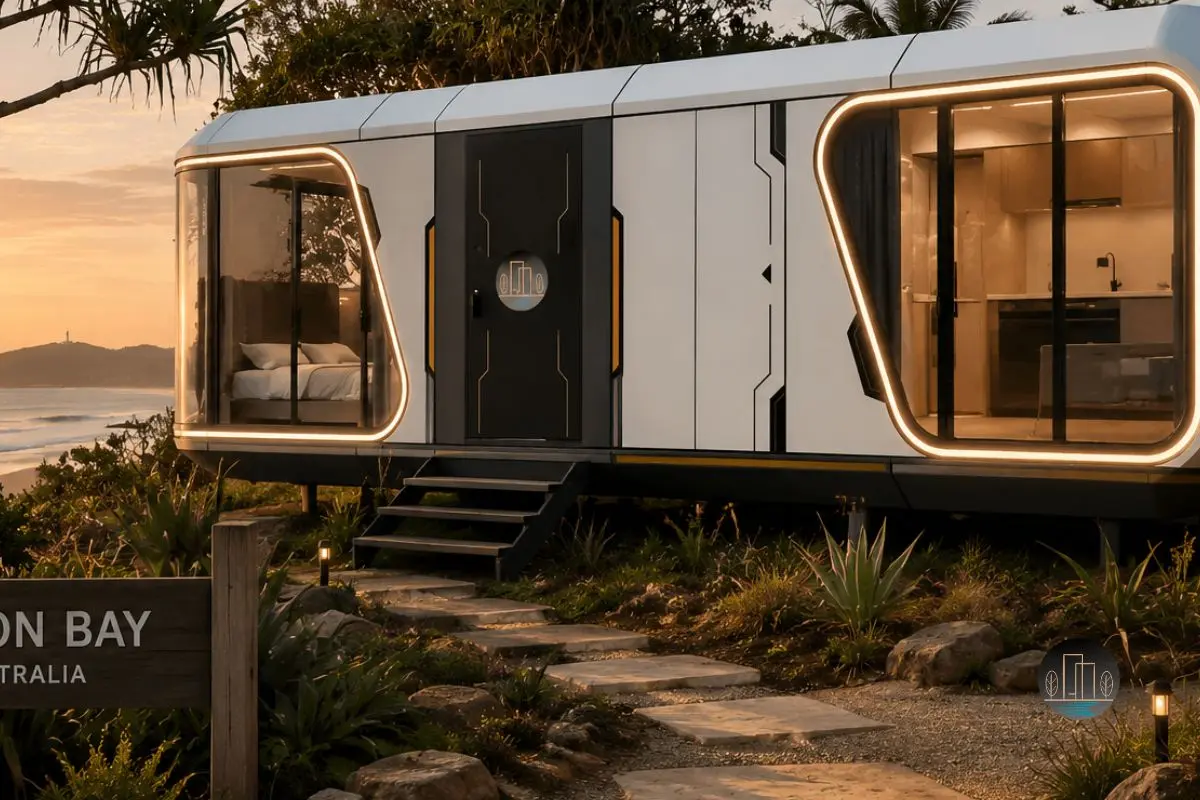
How returns scale from one tiny house to ten on a single tourism site
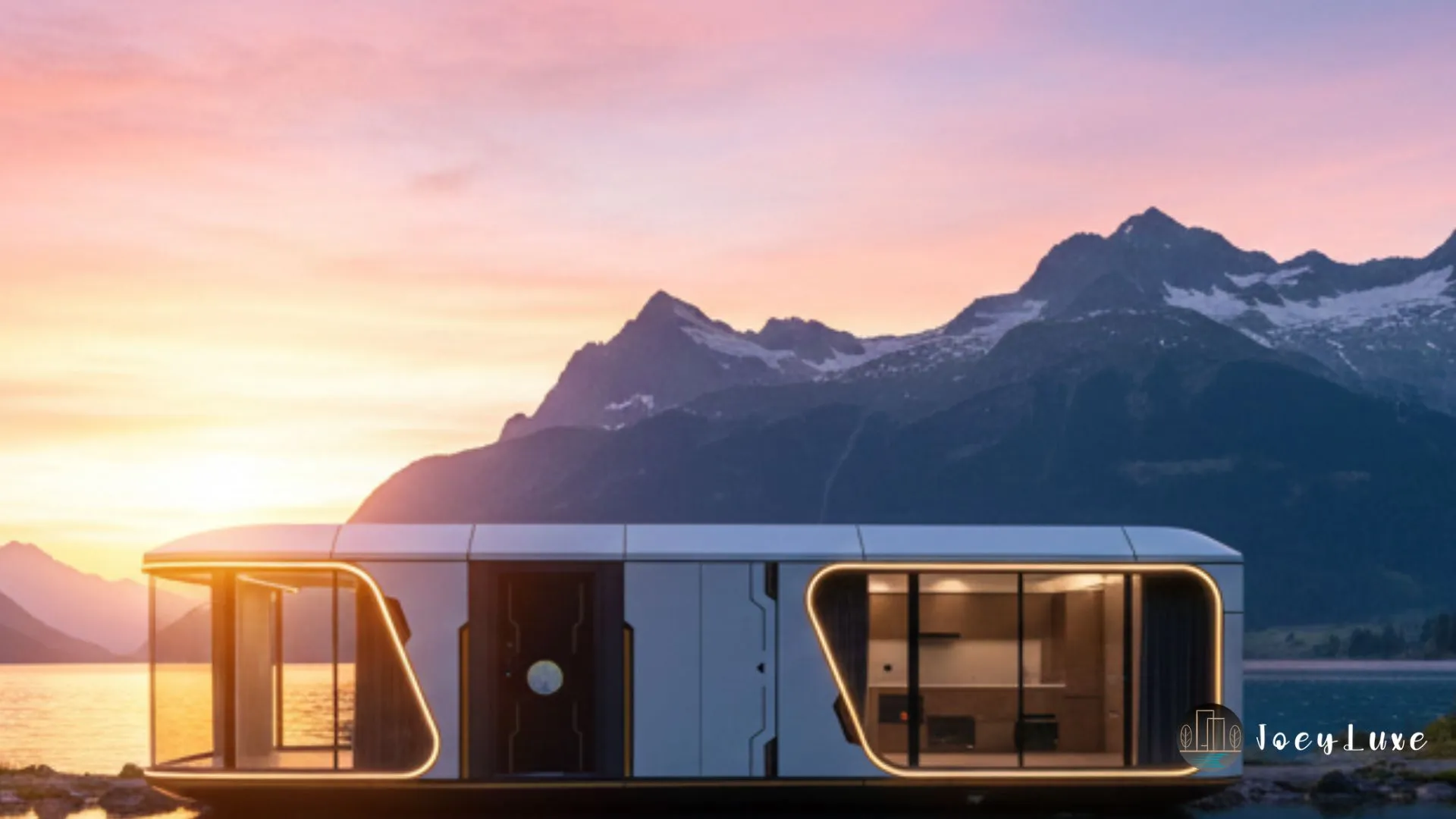
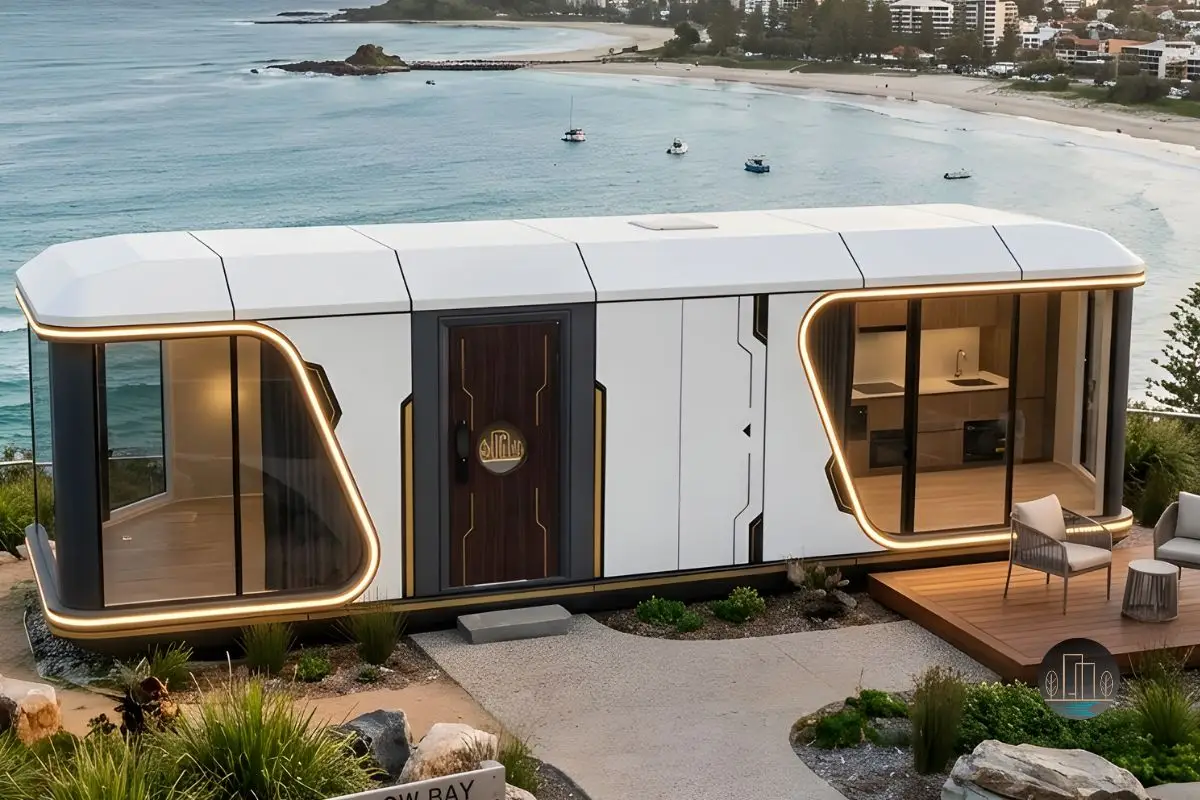
The table below models a regional tourism corridor site deploying The Jetstone at a $320 nightly rate and 68% annual occupancy. Fixed operating costs are held constant to illustrate the margin leverage effect of additional units.
| Capsule house count | Gross revenue p.a. | Fixed costs | Variable costs (18%) | Net operating income | Net margin |
|---|---|---|---|---|---|
| 1 capsule house | $79,539 | $12,000 | $14,317 | $53,222 | 67% |
| 2 capsule house | $159,078 | $14,000 | $28,634 | $116,444 | 73% |
| 4 capsule house | $318,156 | $18,000 | $57,268 | $242,888 | 76% |
| 6 capsule house | $477,234 | $22,000 | $85,902 | $369,332 | 77% |
| 8 capsule house | $636,312 | $26,000 | $114,536 | $495,776 | 78% |
| 10 capsule house | $795,390 | $30,000 | $143,170 | $622,220 | 78% |
Modelled at $320/night, 68% occupancy (248 nights), The Jetstone. Fixed costs include site insurance, rates, booking tools, and minimal coordination. Variable costs (cleaning, linen, utilities, platform commission) at 18% of gross. Indicative only — actual figures vary by site. Use the calculator for your scenario.
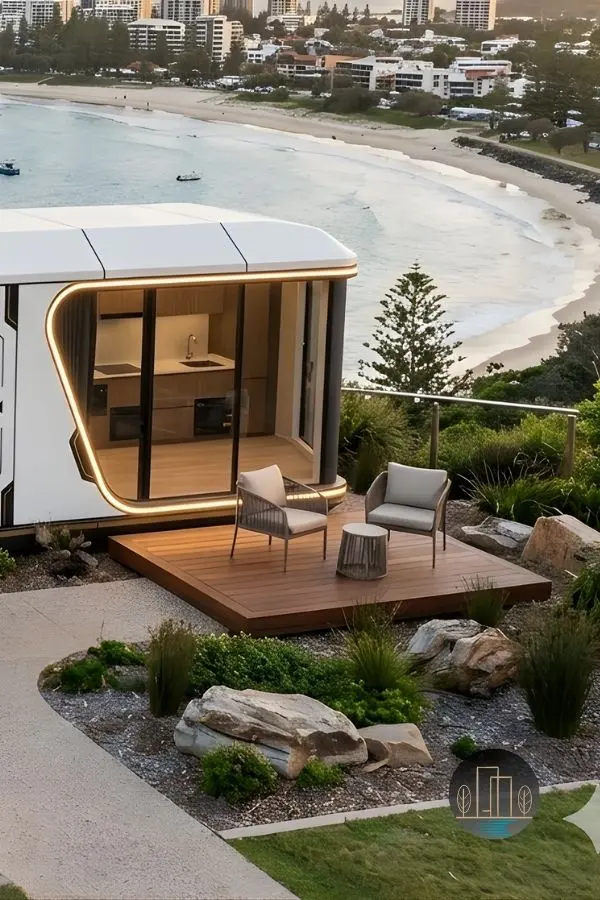
Six hospitality formats where Joey Luxe delivers the strongest returns
Glamping park operator
Operators upgrading from tent-based glamping to permanent-feel, all-weather villas see immediate uplift in achievable nightly rate and a significant improvement in off-peak occupancy. The hotel-grade fit-out eliminates the primary objection to glamping: comfort in extreme temperatures.
Eco-retreat developer
Minimal site footprint, off-grid capability, and the visual quality that eco-conscious guests expect at premium eco-retreat prices. Joey Luxe capsule house position naturally in the $280–$550+ nightly rate bracket that high-quality eco-retreats achieve in Australia's established nature corridors.
Boutique tourism resort
For operators developing a multi-unit tourism destination, the staged rollout model means revenue begins from stage one and funds subsequent stages. No requirement to complete the full site before generating income — a significant advantage over conventional resort development models.
Farm stay cluster
Farm stay operators deploying three to six capsule house on a working property can generate hospitality-scale annual revenue while maintaining the authentic farm experience that commands premium rates. The farm operation and the accommodation operation complement rather than compete with each other.
Tourism land developer
Landowners converting tourism-zoned or rural-zoned land into operating accommodation assets benefit from the fastest available path from acquisition to income. A four-capsule house deployment on a well-positioned site can generate $240,000–$350,000+ gross annual revenue within the first operating year.
Mixed accommodation operator
Adding Joey Luxe capsule house as a premium tier to an existing accommodation portfolio — alongside cabins, powered sites, or standard glamping — elevates the site's average daily rate, improves photography quality across all marketing channels, and attracts a higher-spending guest demographic to the entire property.
How to build a hospitality operation that scales intelligently
The most successful Joey Luxe hospitality operators follow a consistent pattern: start deliberately small, validate performance, then scale from a position of evidence rather than projection.
Launch with 2–3 capsule house
Enough inventory to generate meaningful revenue and build a review base, without over-exposing capital before market performance is validated. Most sites are operational and earning within 10 weeks of signing.
Validate for one season
Real occupancy data, real nightly rate confirmation, real guest feedback. Understand your seasonal pattern, your strongest booking windows, and the experience elements that drive 5-star reviews. This data is worth more than any projection.
Scale to 4–6 capsule house
Armed with validated performance data, add units from a position of confidence. The margin improvement at this stage is pronounced — fixed costs are already absorbed, and each additional capsule house is predominantly incremental net income.
Optimise the full site
With a proven operation and a strong review base, the focus shifts to yield management, direct booking development, and experience programming that sustains premium rates and occupancy through shoulder seasons.
Build the complete investment picture
ROI Calculator
Model your specific capsule house count, nightly rate, and occupancy. Returns gross revenue, net profit, yield, and a 5-year cumulative projection.
Open calculatorAirbnb Returns Australia
How Joey Luxe villas perform on Airbnb — nightly rate benchmarks, platform algorithm strategy, and occupancy analysis by corridor.
Read guideFeasibility Studies Australia
The full investor-grade feasibility framework for multi-unit hospitality deployments — demand, site costs, revenue scenarios, and go/no-go criteria.
Read guideTourism Investment Australia
How institutional and private capital approaches Australian tourism accommodation and what makes a multi-unit site stand out.
Read guideFarm Stay ROI
Detailed ROI modelling for farm stay hospitality operators — how the agritourism experience narrative adds to achievable nightly rate.
Read guideInvestment & ROI Overview
The complete Investment & ROI pillar — both capsule house models, all four investment guides, and the full case for Joey Luxe.
Read overviewHospitality returns questions, answered
Find out what your site could generate as a multi-capsule house hospitality destination
Tell us about your property, your existing operation, and your objectives. We'll model the revenue potential and staging strategy before you commit to anything.
Model the returns