
A region-by-region look at where visitor demand outpaces supply, why the gap persists, and what the financial opportunity looks like for operators and investors who move first.
Australia's regional tourism accommodation market has a structural undersupply problem — and it is most acute in exactly the locations where visitors most want to stay. National park gateways, wine region hinterlands, and coastal access towns are consistently oversubscribed at peak periods while traditional accommodation development pipelines remain empty.
Why the accommodation gap persists — and why it matters for investors
Regional Australia's tourism accommodation shortage is not new — but it has deepened since 2020 as domestic travel recovered strongly while accommodation supply remained largely unchanged. The reasons are structural: traditional tourism park or motel construction requires $350,000–$600,000+ per key, takes 18 months to 3 years, and demands contractor access that many regional areas cannot provide at scale.
The result is a predictable pattern in high-demand regions: visitors who want to stay longer cannot find suitable accommodation and shorten their trips, book alternative (often inferior) accommodation in a larger town, or do not visit at all. Existing accommodation operates at high occupancy with limited review incentive to invest in improvement. Nightly rates drift up as supply remains tight.
For an investor or operator with access to factory-built capsule infrastructure, this pattern is an opportunity signal. An undersupplied market absorbs new premium accommodation faster, at higher rates, and with less marketing friction than a saturated one. Early movers capture a review base and search ranking that compounds for years after competing supply arrives.
A property with 300+ reviews and Superhost status in a region with limited alternatives holds a structural pricing advantage that later entrants cannot easily overcome. Review velocity compounds over time — a two-year head start in an undersupplied market translates to a materially higher sustained occupancy and rate ceiling than an equivalent property that arrives after the market has filled.
Four signals of a viable tourism accommodation opportunity
These signals, present together, indicate a market where new premium accommodation will be absorbed quickly and at target rates.
Regional tourism data showing year-on-year visitor growth while new accommodation openings remain flat or negative. Check your state tourism body's LGA-level visitor economy data — most publish this annually.
Airbnb and Stayz search results showing most available properties fully booked on peak weekends 4–8 weeks in advance. This is observable without any data subscription — it is visible in the booking calendar of any listed property in the target area.
A named national park, wine region, coastal feature, or touring route that generates independent search demand. Visitors search for accommodation near a destination they already plan to visit — the accommodation opportunity rides the anchor's existing demand.
A DA pipeline check with the local council reveals no approved or pending tourism accommodation developments. This is the gap that factory-built capsule development is uniquely positioned to fill — a 4–6 month deployment window is faster than any competing traditional build could respond.
High-opportunity regions — state by state
These regions reflect areas where all four opportunity signals are currently observable. This is not a comprehensive list — regional markets change, and local knowledge will always outperform a national overview for site-specific decisions.
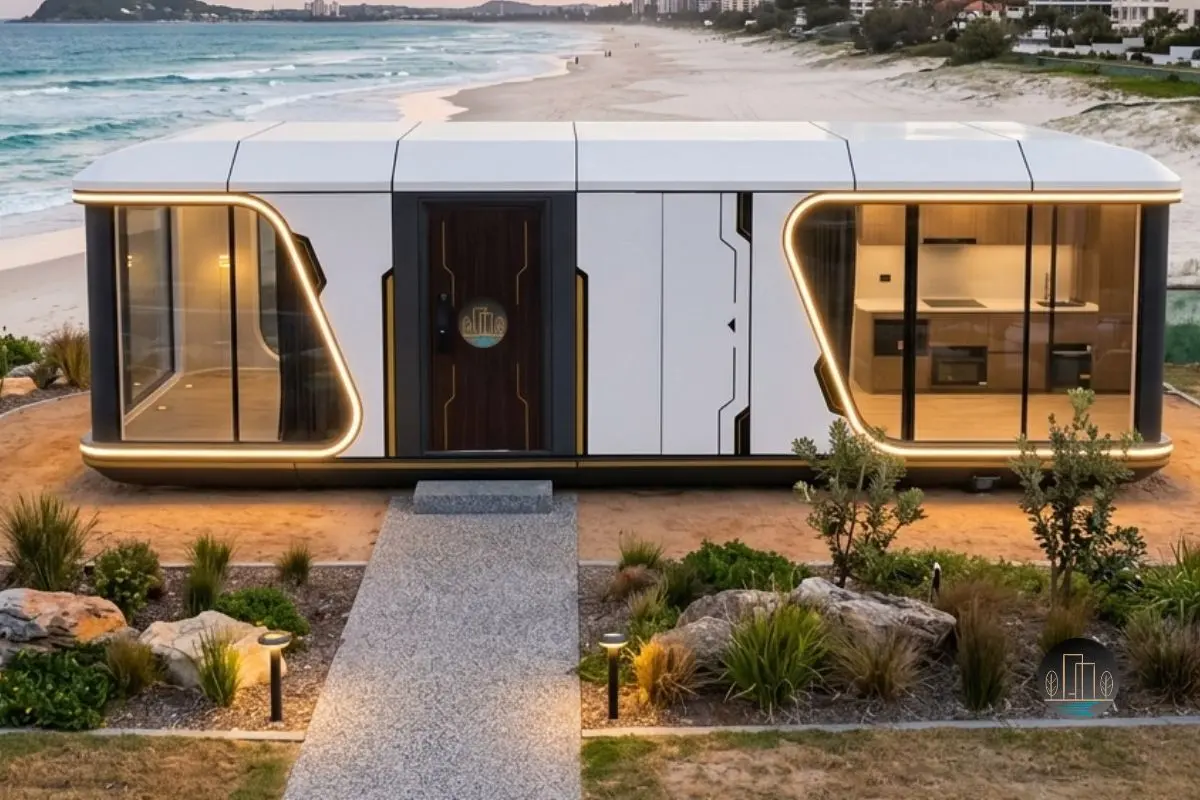
The Grampians National Park and surrounding townships are consistently undersupplied at peak periods despite being within 3 hours of Melbourne. Halls Gap and surrounding towns have limited quality accommodation above the motel tier. The High Country — around Mansfield, Bright, and Mount Beauty — shows strong year-round demand from cycling, skiing, and nature tourism with a thin premium accommodation stock. East Gippsland remains dramatically undersupplied relative to its national park and coastal tourism profile.
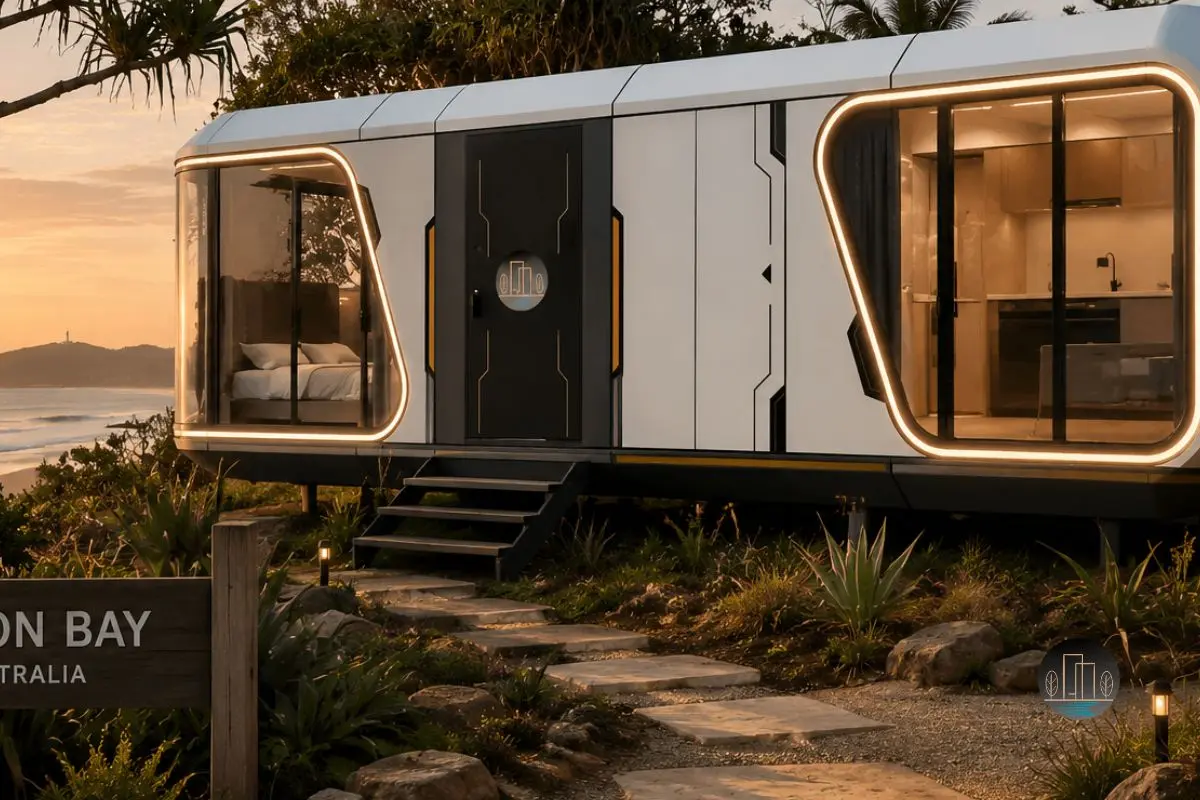
The Hunter Valley wine region has strong accommodation demand but significant quality variation — mid-market gaps at the $250–$380 nightly rate tier are persistent. The South Coast hinterland (Kangaroo Valley, Budderoo, Morton National Park fringe) attracts day-trip overflow from Sydney that cannot find overnight accommodation in the immediate area. Snowy Mountains gateway towns — particularly those outside Jindabyne — have insufficient accommodation for the shoulder-season hiking and cycling visitor.
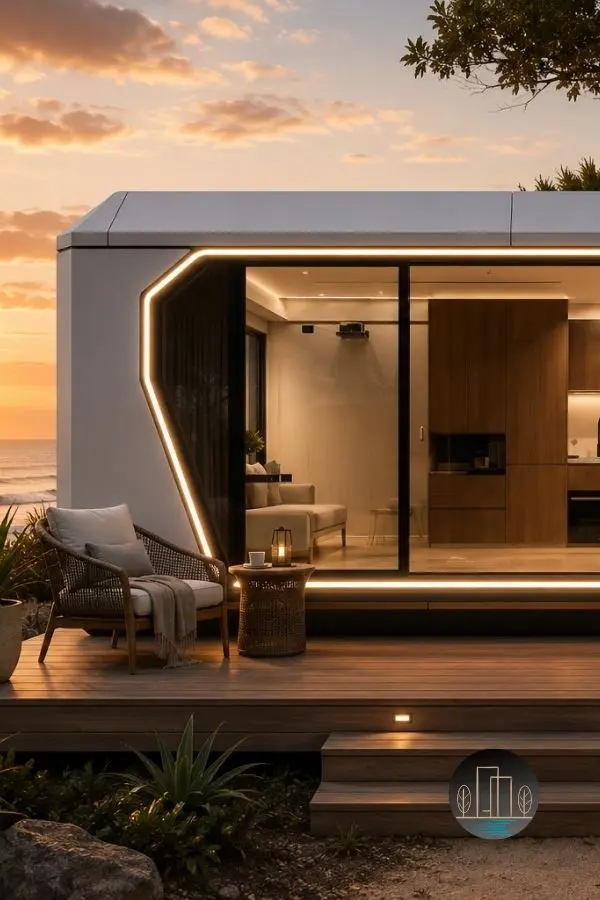
The Scenic Rim region — Lamington, Main Range, and Gondwana World Heritage corridor — has significant visitor demand from Brisbane and the Gold Coast but minimal quality accommodation above caravan park standard. Whitsunday-adjacent mainland towns are consistently booked out on marina access weekends with strong demand for quality self-contained accommodation. Northern Queensland tourism corridors have chronic accommodation shortages that limit touring visitor nights and per-visitor spending.
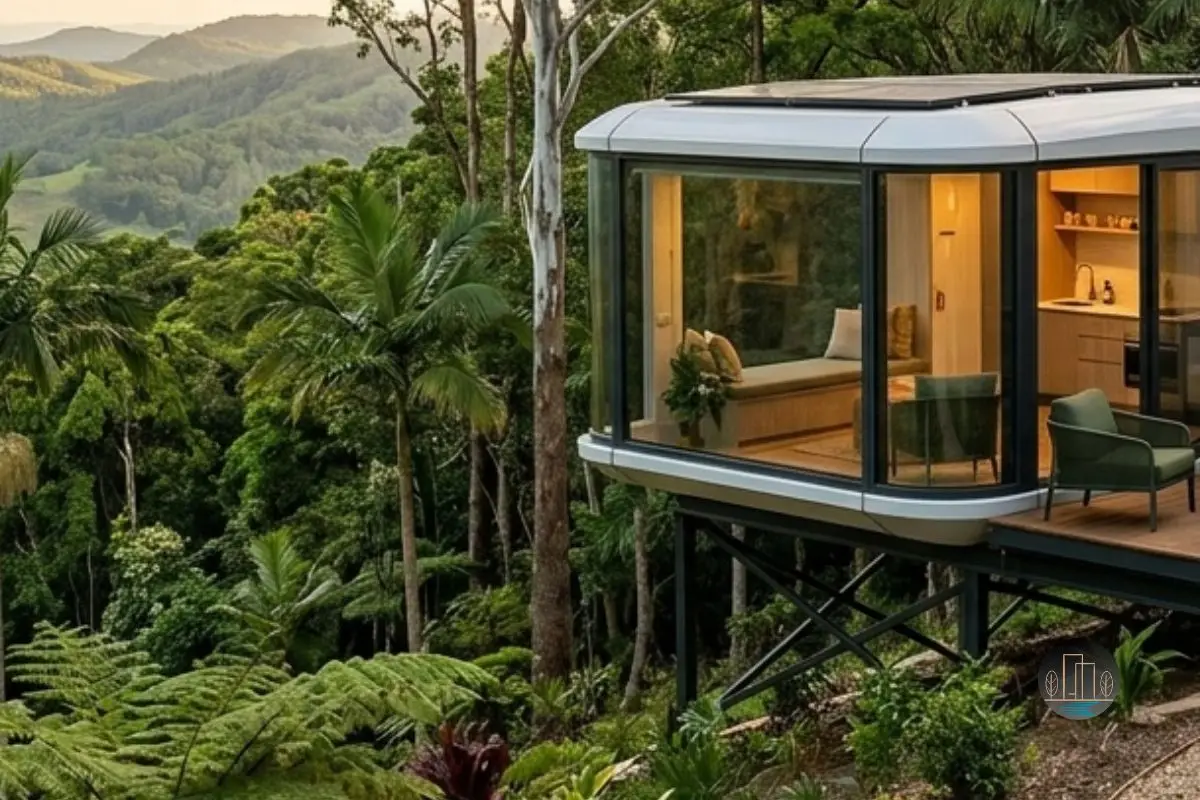
Margaret River's accommodation supply is heavily skewed toward budget and luxury tiers, with a persistent mid-market gap at $280–$420 that capsule development occupies well. Clare Valley in South Australia has growing wine tourism demand with very limited quality accommodation outside the valley town centres — gateway properties on rural blocks command premium rates. Tasmania's Freycinet Peninsula corridor and the Huon Valley remain chronically undersupplied relative to growing international eco-tourism demand.
The three accommodation gap types — and which capsule model fits each
| Gap type | Where it occurs | Guest profile | Best unit mix | Typical nightly rate |
|---|---|---|---|---|
| Premium quality gap | Well-visited regions with only budget or ultra-luxury options — no quality mid-market | Couples, professionals, 35–55 seeking comfort without resort pricing | Jetstone-heavy (70/30) | $320–$500 |
| Capacity gap | High-demand towns where all accommodation books out at peak periods regardless of quality | Mixed — families, groups, couples all seeking any quality option | Mixed Jetstone/Juniper (50/50) | $250–$420 |
| Category gap | Regions with motels and caravan parks but no nature-immersive or design-led accommodation | Experience-first travellers who book for the accommodation itself, not just as a base | Juniper-heavy (40/60) | $350–$550 |
How to identify an opportunity in your own region
A formal tourism feasibility study is the right tool for a capital commitment decision. But before engaging a consultant, you can complete a rapid market signal check in under two hours using publicly available data.
- Airbnb occupancy check: Search your target area on Airbnb. Look at the calendars of the top 10 listed properties — are peak weekends booking out 4–8 weeks in advance? If yes, supply is insufficient relative to demand.
- Rate ceiling check: What are the top-reviewed properties charging on a peak summer Friday? If rates above $280 exist and are consistently booked, premium capsule accommodation is viable in that market.
- Visitor economy data: Your state tourism body (Tourism Victoria, Destination NSW, TEQ, Tourism WA, etc.) publishes LGA-level visitor night data. A region with growing visitor nights and flat accommodation supply is an opportunity market.
- DA pipeline check: Contact the local council planning department and ask whether any tourist accommodation DAs have been approved or lodged in the past 18 months. No pipeline means no competing supply is coming in the near term.
If your rapid check confirms all four signals, the next step is a formal feasibility study to confirm site-specific viability, zoning pathway, and financial modelling. Joey Luxe can provide indicative unit costings and deployment timelines to include in your feasibility study — no cost, no obligation to contact us for this.
Frequently asked questions
The most acute gaps are in national park gateway towns, coastal hinterland corridors, and wine tourism regions that have seen visitor growth outpace accommodation supply since 2020. High-opportunity areas currently include Grampians and High Country in Victoria, Hunter Valley hinterland and South Coast in NSW, Scenic Rim in Queensland, Margaret River hinterland in WA, Clare Valley in SA, and the Freycinet corridor in Tasmania. The full regional breakdown is covered in this guide — use the rapid opportunity check to confirm signals in your specific target area.
Early movers in undersupplied regional accommodation markets capture a disproportionate share of bookings before competing supply arrives. Reviews and Airbnb search rankings compound over time — a property with 200+ reviews and Superhost status in a region with limited alternatives holds a structural pricing advantage that later entrants cannot easily overcome. A two-year head start in a growing regional market translates to a materially higher sustained occupancy and rate ceiling. For a detailed ROI comparison, see the tourism accommodation ROI guide.
The four signals of a viable opportunity are: visitor demand data showing growth, existing accommodation operating at high occupancy with limited new supply in the pipeline, proximity to a recognisable tourism anchor, and land availability at a viable entry price. The rapid opportunity check in this guide covers a two-hour process for confirming these signals before engaging a consultant for a formal feasibility study. See the tourism feasibility study guide for what the formal process needs to cover.
Related guides
Talk to Joey Luxe about your target area, proposed scale, and timeline. We will provide indicative costings and unit configurations — no cost, no obligation — to help you move from opportunity signal to confirmed development decision.