
Carbon Neutral Hospitality Australia — Net-Zero Pathways and Offset Strategies for Eco Retreat Operators
Carbon neutrality in hospitality is no longer aspirational for Australian eco retreat operators — it is increasingly a guest expectation, a certification prerequisite, and a competitive differentiator in premium booking markets. The pathway to net-zero is more accessible than most operators assume.
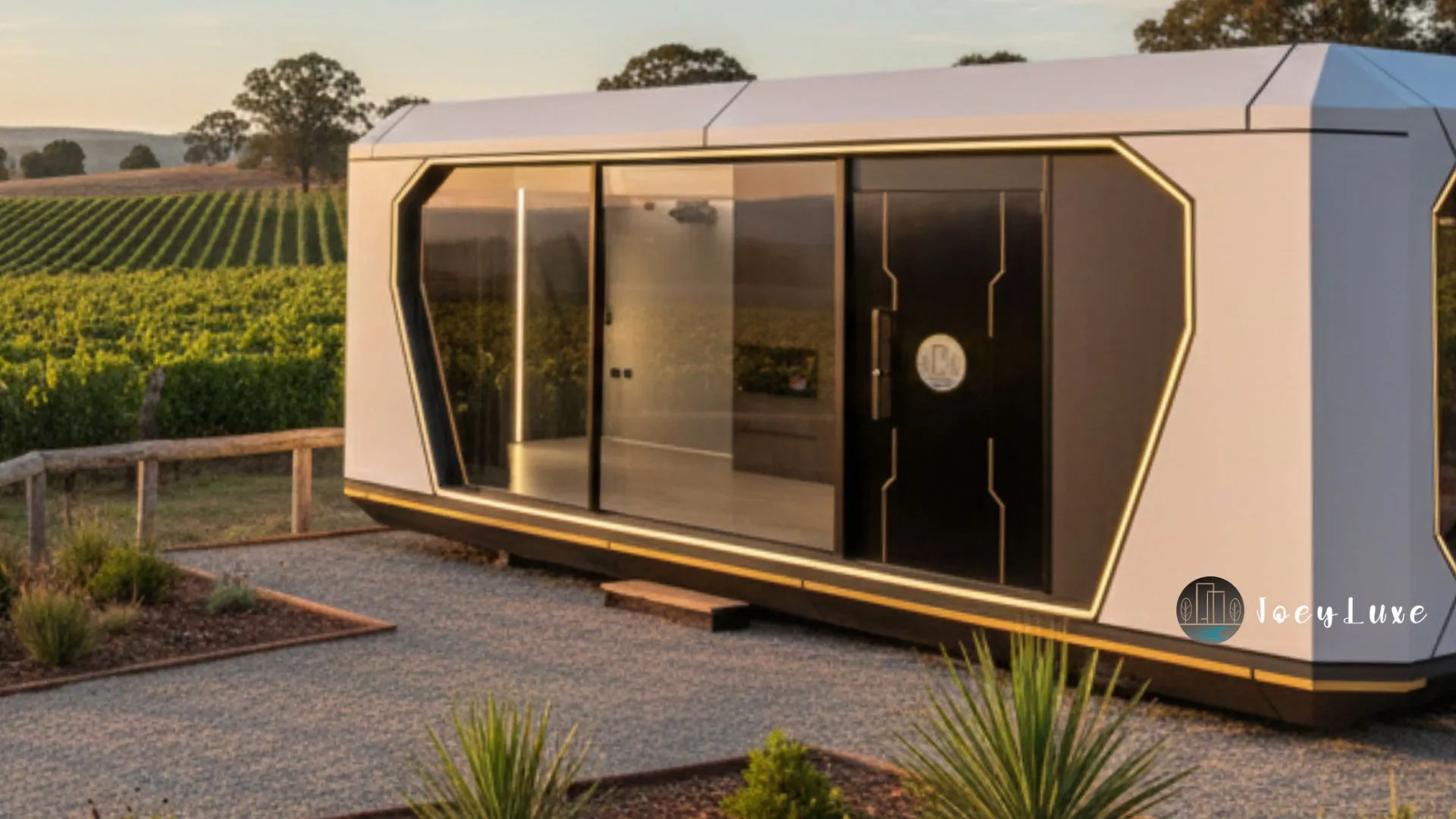
Understanding your emissions — Scope 1, 2, and 3
Australian hospitality operators report emissions under the internationally recognised GHG Protocol framework, which categorises emissions into three scopes. Understanding what sits in each scope is the prerequisite for any credible carbon neutral strategy.
On-site combustion: LPG, diesel generators, wood fires (where reported), and company vehicle fuel. For fully off-grid eco retreats, Scope 1 emissions are minimal. LPG hot water and backup generation are typically the primary sources.
Grid electricity consumption. For fully solar-powered eco retreats, Scope 2 emissions are zero. For grid-connected properties, this is typically 15–25% of total operation emissions. GreenPower purchase or on-site solar eliminates Scope 2.
Guest travel (typically 60–80% of total), supply chain, food and beverage, waste, and embodied carbon in accommodation infrastructure. The largest and most complex category. Factory construction documentation from Joey Luxe supports embodied carbon estimation.
Factory manufacturing generates 30–50% less embodied carbon than equivalent site-built construction — due to material efficiency, waste reduction, and the elimination of repeated plant mobilisation. Joey Luxe can provide construction waste and materials documentation to support your embodied carbon assessment and Climate Active application.
The three-step pathway to carbon neutral certification
Use the GHG Protocol or Australian National Greenhouse Accounts methodology to calculate Scope 1, 2, and 3 emissions for a 12-month base year. Engage a carbon accounting consultant or use Climate Active's approved methodology guidance. For a small eco retreat (3–5 units), a baseline assessment typically costs $3,000–$8,000 with an accredited carbon accountant.
Priority abatement measures for eco retreat operators: full solar power eliminates Scope 2 emissions; composting sanitation eliminates wastewater treatment emissions; local food sourcing reduces supply chain Scope 3; EV charging for guests and transfers reduces guest travel emissions. Document each measure with metered data where possible — Climate Active verification requires evidenced claims, not estimated reductions.
Australian Carbon Credit Units (ACCUs) from Clean Energy Regulator registered projects are the preferred offset for Climate Active certification. Gold Standard and Verra (VCS) certified international credits are also accepted at a lower volume limit. ACCU spot prices have ranged from $32–$65 per tonne in recent years. A typical 5-unit eco retreat with good abatement measures will have a residual Scope 3 footprint of 150–400 tCO2e per year, requiring $5,000–$25,000 in annual ACCU purchases for full offsetting.
Frequently asked questions
Australian hospitality operators achieve carbon neutrality through: measure (Scope 1–3 emissions using GHG Protocol or National Greenhouse Accounts), reduce (renewable energy, efficient operations, local supply chain), and offset (purchase and retire ACCUs or approved international credits). Climate Active is the Australian government's recognised standard for legitimate carbon neutral claims.
Main sources: Scope 1 (LPG, diesel), Scope 2 (grid electricity — zero if fully solar), and Scope 3 (guest travel, typically 60–80% of total footprint; supply chain; food and beverage; embodied carbon in infrastructure). Guest travel is the largest and least controllable source — operators can address it through carbon-inclusive pricing or offering guests the option to purchase travel offsets at booking.
Climate Active is the Australian Government's framework for businesses making legitimate carbon neutral claims. It requires measurement of all material Scope 1, 2, and 3 emissions, independent verification, and annual surrender of eligible carbon offsets (ACCUs or approved international units). Certification gives operators the right to use the government-backed Climate Active carbon neutral label — a credible and growing consumer trust signal in the Australian eco travel market.
Joey Luxe capsule units are solar-ready, thermally efficient, and manufactured with documented low embodied carbon. Your carbon neutral journey starts with the right infrastructure. 48-hour response.