
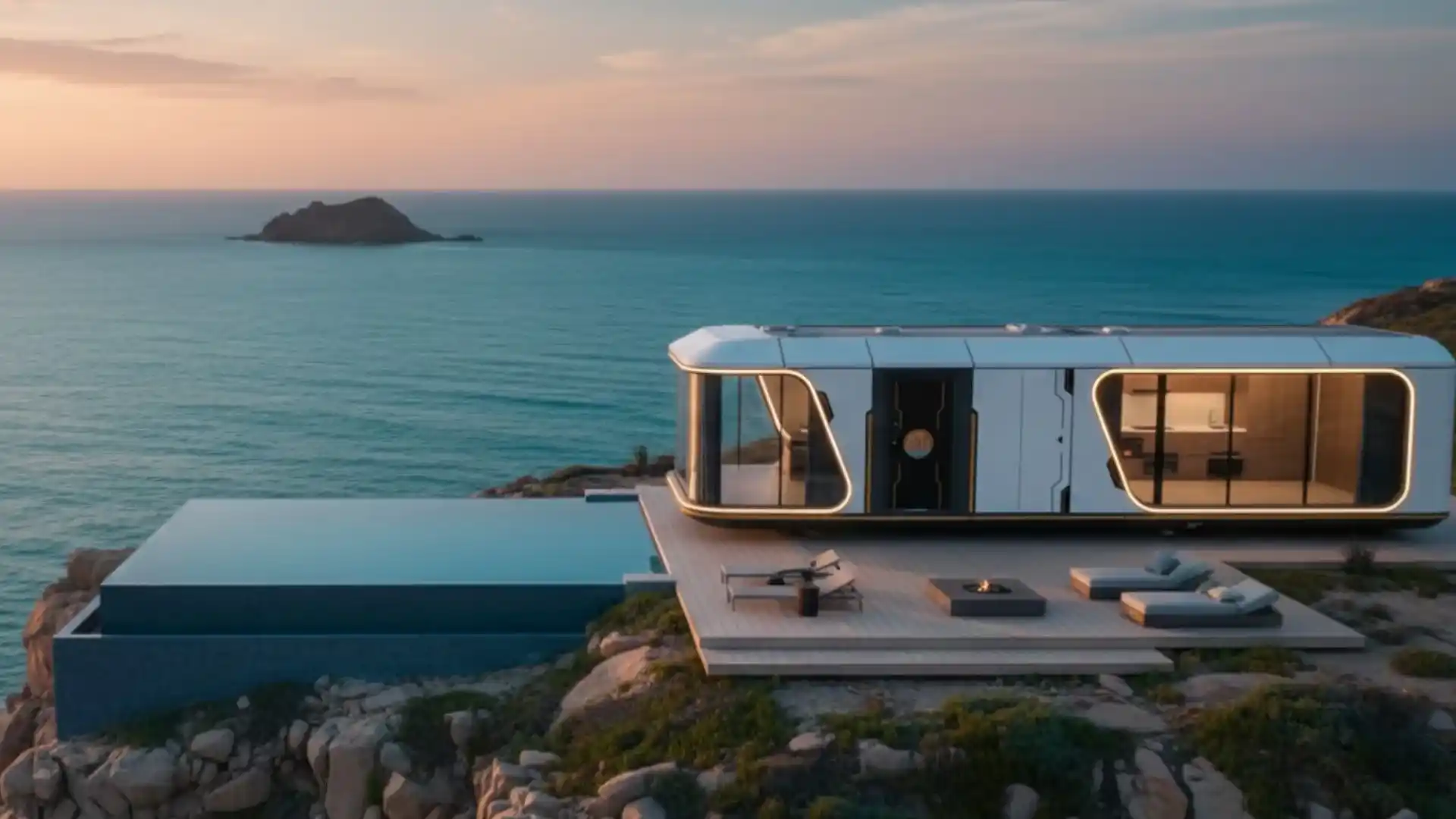
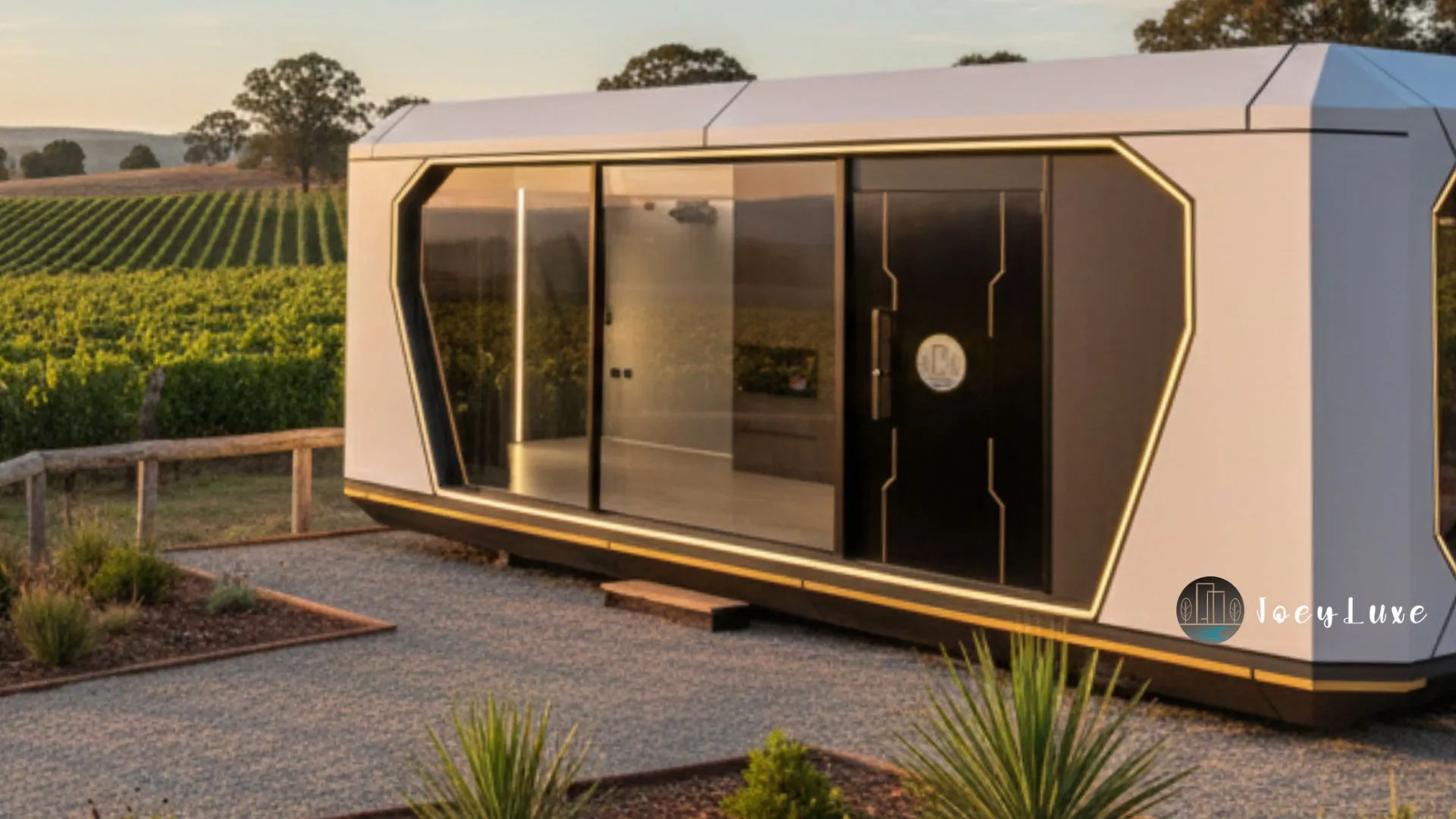
A farm stay business plan
that actually holds up.
Lenders, councils, and your own instincts all need the same thing — a plan that is grounded in real data, realistic about risk, and clear on how the money works. This guide covers every section, in order.
Talk to our team Farm stay overviewThe difference between a farm stay that succeeds and one that struggles is usually in the planning
Most farm stay operators who run into difficulty do not do so because of a bad property or bad luck. They do so because they started without a clear view of the numbers — what the accommodation would realistically earn, what it would cost to operate, and what the critical early decisions were that would shape performance for years afterward.
A well-constructed farm stay business plan forces those questions to the surface before you commit capital. It is also the document that a bank will ask for if you are financing the capsule purchase, that council may request as part of a development assessment, and that gives you a reference point when the inevitable surprises arrive in the first twelve months of operation.
This guide takes you through each section of a farm stay business plan in the order you should think about it — starting with the story of your property and ending with a three-year financial model you can stand behind.
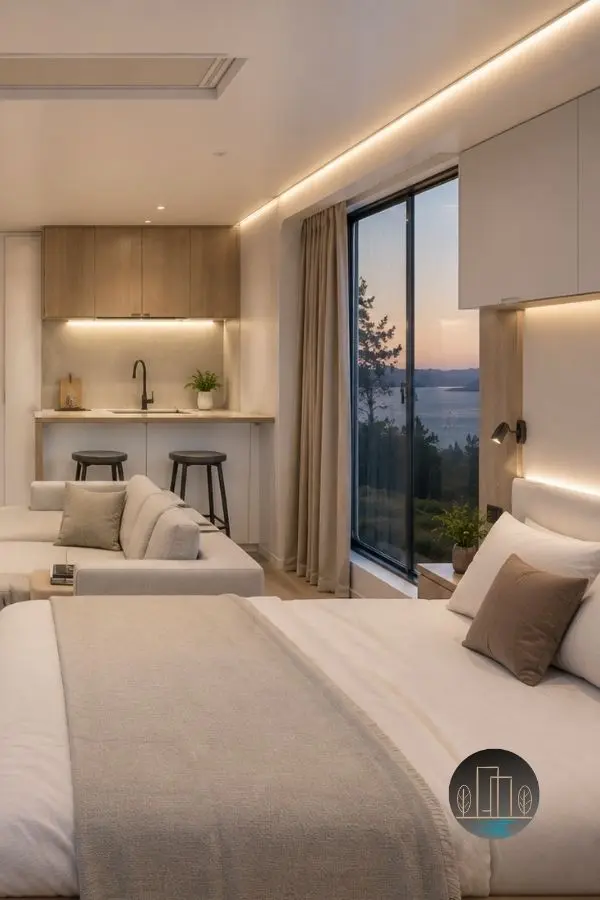
Seven sections every farm stay business plan needs to cover
Property overview and guest experience
Describe the property — its size, location, what makes it a farm, and what guests will actually experience when they stay. Be specific. "Views over rolling paddocks with alpacas feeding at dusk" is more useful than "rural property with animals." The guest experience section is where your farm's commercial differentiation lives.
Target guest and market positioning
Define who your guest is. Couples from Melbourne seeking a long weekend away from screens? Families from Sydney who want their children to see where food comes from? Photographers chasing golden-hour paddock light? The clearer you are on this, the better your photography, listing copy, and pricing will be — and the more aligned your guest reviews will look to future visitors.
Accommodation selection and unit count
Which capsule model, how many, and where on the property will they sit? This section should include a simple site plan, the selected accommodation model, and the rationale for starting with the unit count you have chosen. Most operators start with one or two capsules; the plan should acknowledge this is a staged approach and identify the trigger for adding additional inventory.
Regulatory and approval pathway
What approvals do you need and how long will they take? Note your property's zoning, whether short-stay accommodation is a permitted use, and what you will need to lodge with council. Include a timeline from application to first guest. If you are uncertain about the approval pathway, note it here and flag it as a risk item — do not skip it.
Marketing and booking platform strategy
Which platforms will you list on? Airbnb and Hipcamp are the two that drive most Australian farm stay bookings. What photography investment will you make? What is your plan for generating the first twenty reviews — which will set the trajectory for your listing's long-term performance? A simple marketing calendar for the first six months belongs in this section.
Financial projections — three scenarios
Build your base case from comparable properties in your area, not national averages. Then model a conservative case at 20% lower occupancy and an optimistic case at 10% higher. Show revenue, operating costs, and net income for each. Lenders want to see that the project works in the base case and is survivable in the downside — not that it only works if everything goes right.
Risk assessment and mitigation
What are the three to five things most likely to affect your results — and what is your response to each? Seasonal demand variation, a competitor entering your corridor, a wet season that limits access, a poor early review — these are knowable risks with manageable responses. Including them in your plan demonstrates that you have thought carefully, which matters to lenders and to your own confidence.
Appendices — the supporting evidence
Comparable property listings with nightly rates and review counts. Zoning certificate or planning extract. Capsule specification sheets. Site plan or aerial photograph. Insurance quotes. Any tourism demand data for your region. Lenders who approve farm stay financing consistently say appendices are the section that gives them confidence in the numbers in the main body.
How to build the financial section of your farm stay business plan
The financial model is where most first-time operators either skip important steps or make assumptions that do not survive contact with real data. The table below shows a typical single-capsule financial model for an Australian farm stay — built from comparable site data, not optimism.
| Line item | Conservative (55% occ.) | Base case (68% occ.) | Strong (78% occ.) |
|---|---|---|---|
| Average nightly rate | $200 | $230 | $260 |
| Occupied nights per year | 201 | 248 | 285 |
| Gross revenue | $40,200 | $57,040 | $74,100 |
| Platform commissions (~12%) | $4,824 | $6,845 | $8,892 |
| Cleaning & linen | $4,020 | $4,960 | $5,700 |
| Insurance, rates & utilities | $4,500 | $4,500 | $4,500 |
| Maintenance reserve (3%) | $1,206 | $1,711 | $2,223 |
| Total operating costs | $14,550 | $18,016 | $21,315 |
| Net operating income | $25,650 | $39,024 | $52,785 |
Indicative model based on single capsule unit. Site-specific factors including location, experience quality, and marketing investment will affect actual performance. See Farm Stay ROI for detailed return modelling.
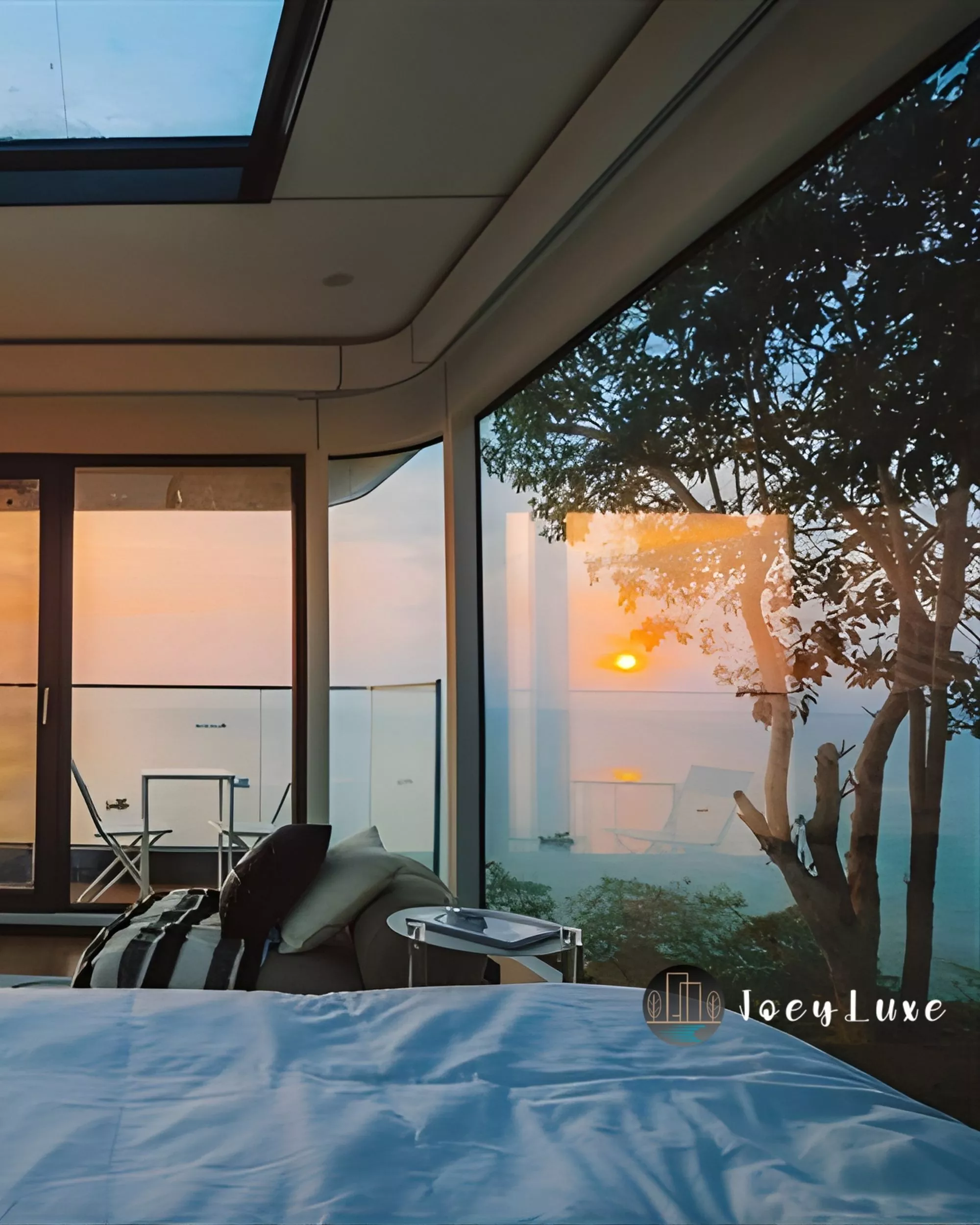
Two capsule models most farm stay operators build their plans around
The accommodation specification you include in your business plan directly shapes your revenue projections, approval pathway, and site requirements. These are the two models that farm stay operators across Australia select most often.

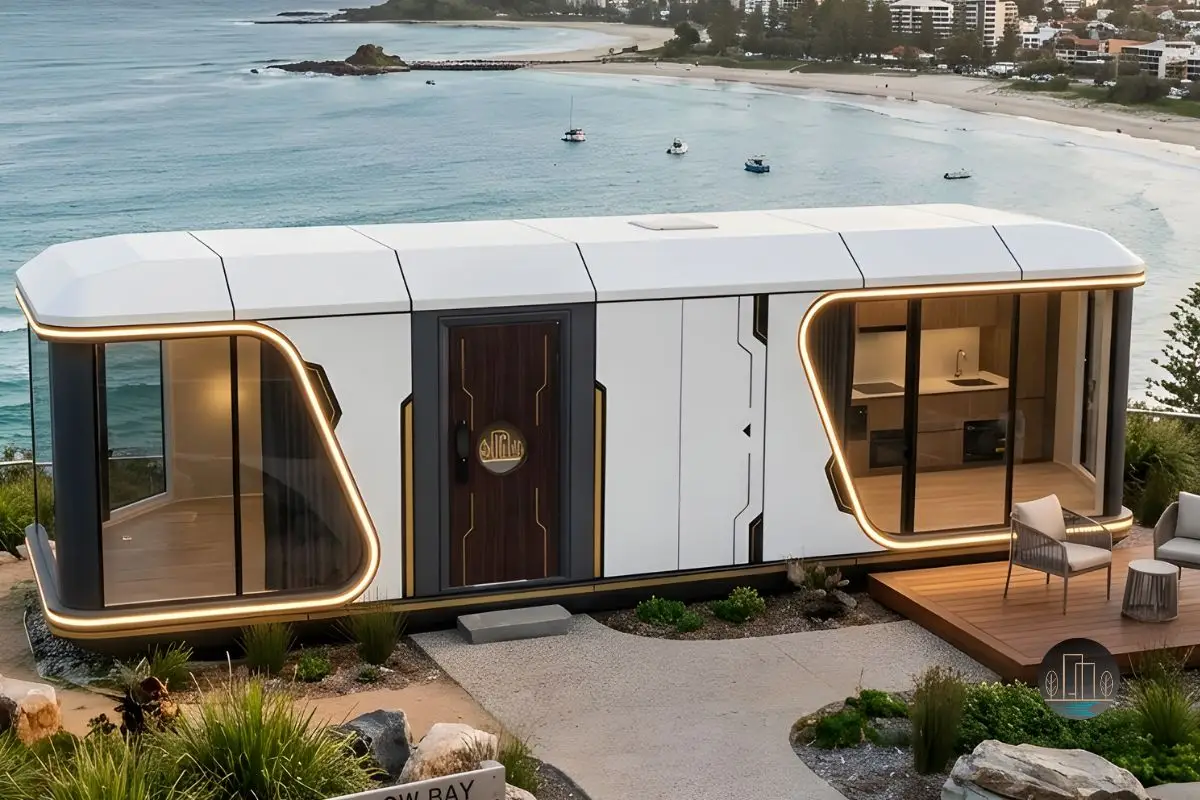
The Jetstone — Compact. Premium. High-performing.
The Jetstone is a one-bedroom capsule engineered for maximum nightly rate in a minimal footprint. Ideal for couples-focused farm stays where land is limited or you want to spread multiple units across the property without crowding. Hotel-grade fit-out that guests consistently photograph and share.
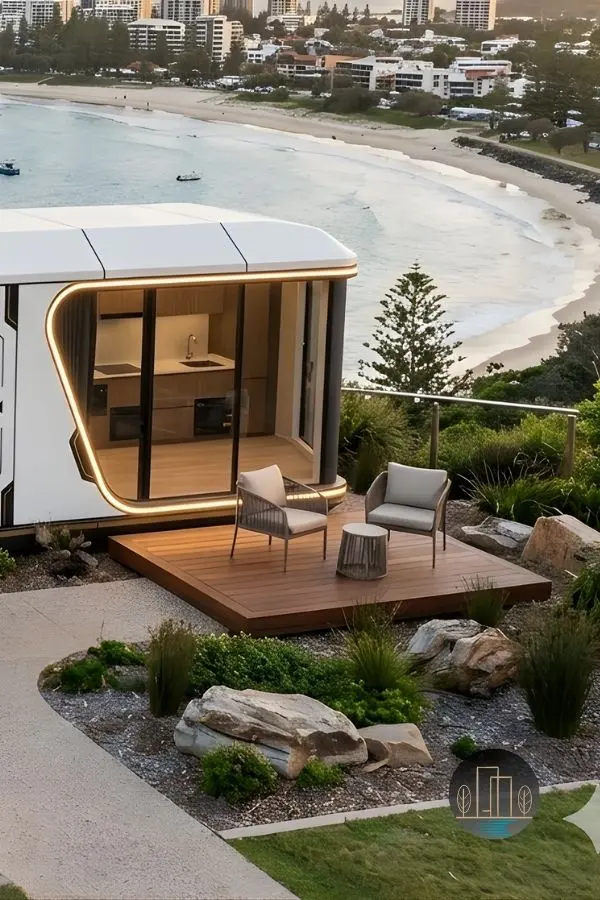
View The JetstoneThe Juniper — For families and the premium nightly rate that comes with them.
The Juniper's two-bedroom configuration commands the highest nightly rates in the Joey Luxe range. Families and small groups who book it stay longer, spend more on farm activities, and review more generously. The outdoor living area is the feature that consistently appears in guest photographs.
View The JuniperThe farm stay business plan checklist — eight things to verify before sending
Revenue projections are anchored to local comparable data
National averages do not reflect your specific corridor. Check five to ten comparable Airbnb and Hipcamp listings within 50km and build from those numbers.
Three scenarios are modelled — not just the optimistic one
Lenders want to see that your plan is viable at conservative occupancy. If it only works at 80% occupancy, it is not a sound plan.
Approval pathway is identified and timeline included
Do not assume council approval is straightforward. Know your zoning, understand what is required, and build the timeline into your financial model.
Capital costs are fully itemised — no hidden surprises
Capsule cost, site preparation, services connection, photography, initial marketing, insurance setup, and a 10% contingency buffer. Missing any of these is where early-stage cash shortfalls come from.
Operating costs include platform commissions
Airbnb host fees, Hipcamp commissions, and payment processing should appear explicitly in your operating cost model — not as a footnote.
Guest experience section is specific and compelling
The best business plans read like the beginning of a great listing description. If yours does not make you want to stay there, it will not convince a lender either.
Accommodation specification is confirmed and included in appendix
The capsule model name, floor plan, and specification sheet should be attached. Vague accommodation descriptions weaken every other section of the plan.
Time to first revenue is realistically modelled
From today to first booking, including approval time, site preparation, capsule delivery, photography, and listing setup. Most operators underestimate this by four to six weeks.
Everything else you need to build and run a successful farm stay
Farm Stay ROI
Detailed return-on-investment modelling for Australian farm stay operators — occupancy scenarios, cost analysis, and the metrics that separate strong performers from average ones.
Read guideFarm Stay Capsule Accommodation
Why modular capsules outperform traditional farm stay accommodation formats on every metric that matters — comfort, setup speed, nightly rate, and guest satisfaction.
Read guideFarm Stay Marketing
Which platforms drive the most bookings, how to photograph your property for maximum conversion, and the storytelling approach that turns browsers into confirmed guests.
Read guideAgritourism Australia
The agritourism sector in Australia — market size, growth trajectory, government support programs, and how farm operators are positioning for sustained rural visitor demand.
Read guideFarm Stay Business Australia
The complete overview of farm stay business in Australia — from the first decision through to a fully operating, income-generating property.
Back to overviewLand Monetisation Australia
How Australian landowners are generating passive income from rural and tourism-zoned land — the full picture across every land type and accommodation model.
Read overviewFarm stay business plan questions, answered
Explore more from Joey Luxe
Farm Stay Business Australia
The complete farm stay business overview — everything you need to understand before launching a farm stay in Australia.
Back to overview →Farm Stay ROI
Return-on-investment benchmarks, occupancy analysis, and the metrics that separate the most profitable farm stay operators.
Read guide →Tourism Land Development
How tourism-zoned land is developed with modular capsule accommodation — from approval to first booking in weeks.
Read guide →Ready to put your farm stay business plan together?
Talk to the Joey Luxe team about your property. We'll help you understand the numbers, the accommodation options, and the realistic pathway from where you are now to a fully operating farm stay.
Talk to the Joey Luxe team