
Capsule Hotel Business Model — four operating structures compared
Owner-operated, third-party managed, anchor operator lease and hotel portfolio expansion. P&L structures, management costs and risk profiles — everything you need to choose the right operating model before you order.
How a capsule hotel is operated is as important to investor returns as where it is located. Two operators running identical 10-key properties at the same ADR can produce net incomes that differ by $80,000–$120,000 per year — purely on the basis of operating model selection and management structure.
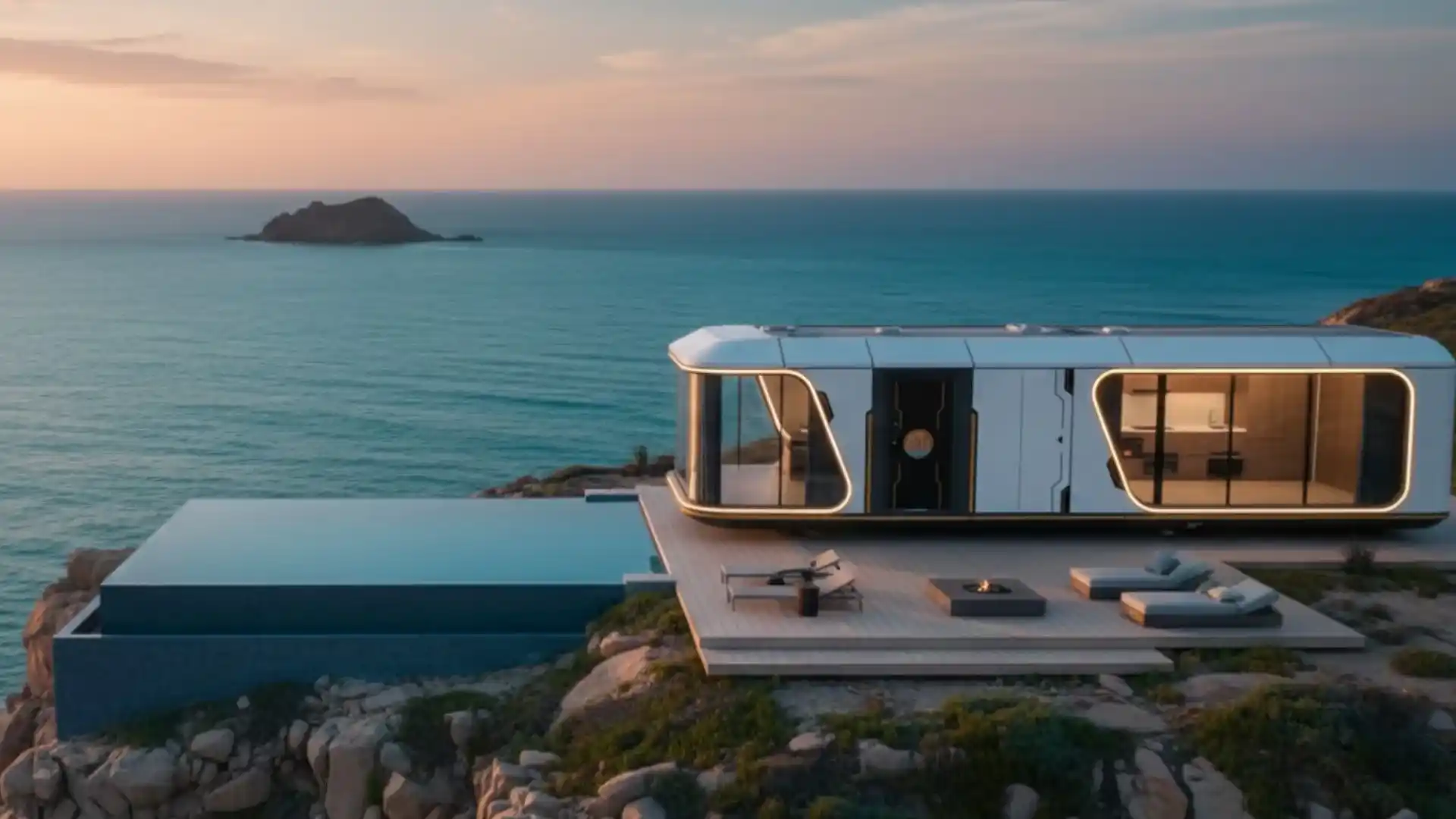
The four operating models — overview
Australian capsule hotel operators use four distinct business model structures. Each sits at a different point on the effort-vs-return spectrum. The right choice depends on the operator's available time, existing hospitality experience, risk tolerance and return target.
Indicative estimates only. Actual results depend on location, management structure, operating costs and market conditions. Seek independent financial advice before making investment decisions.
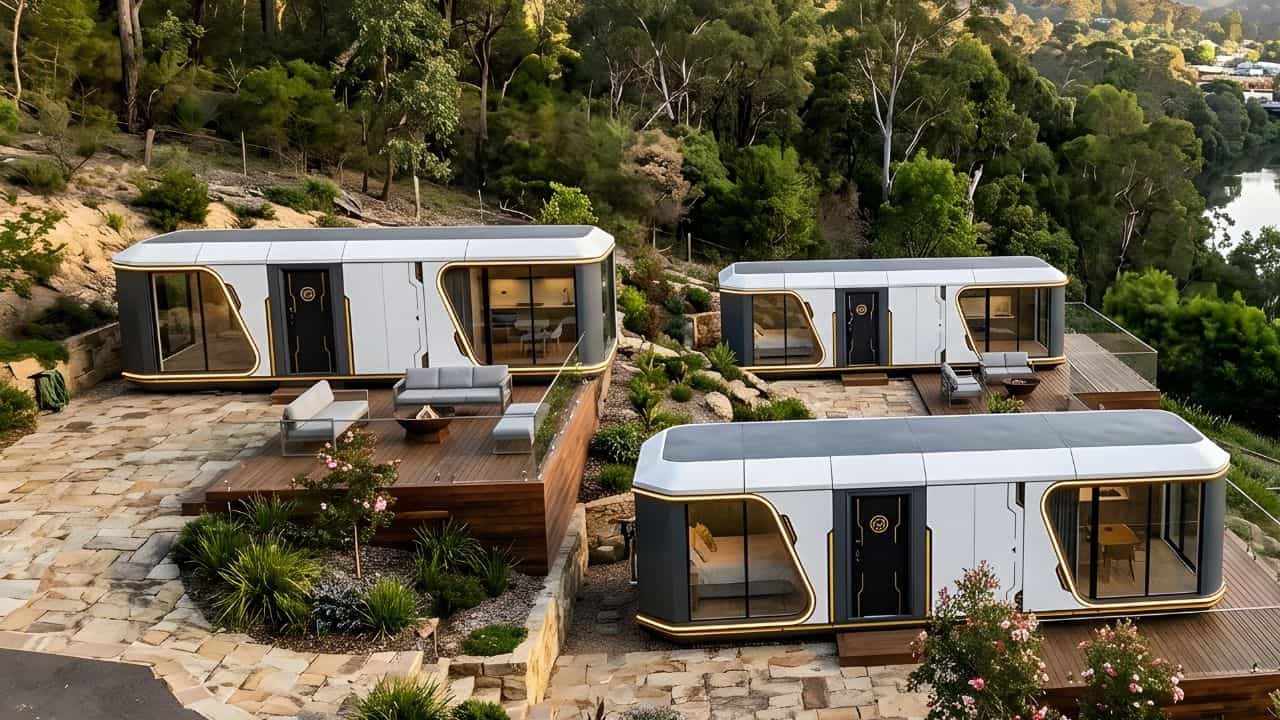
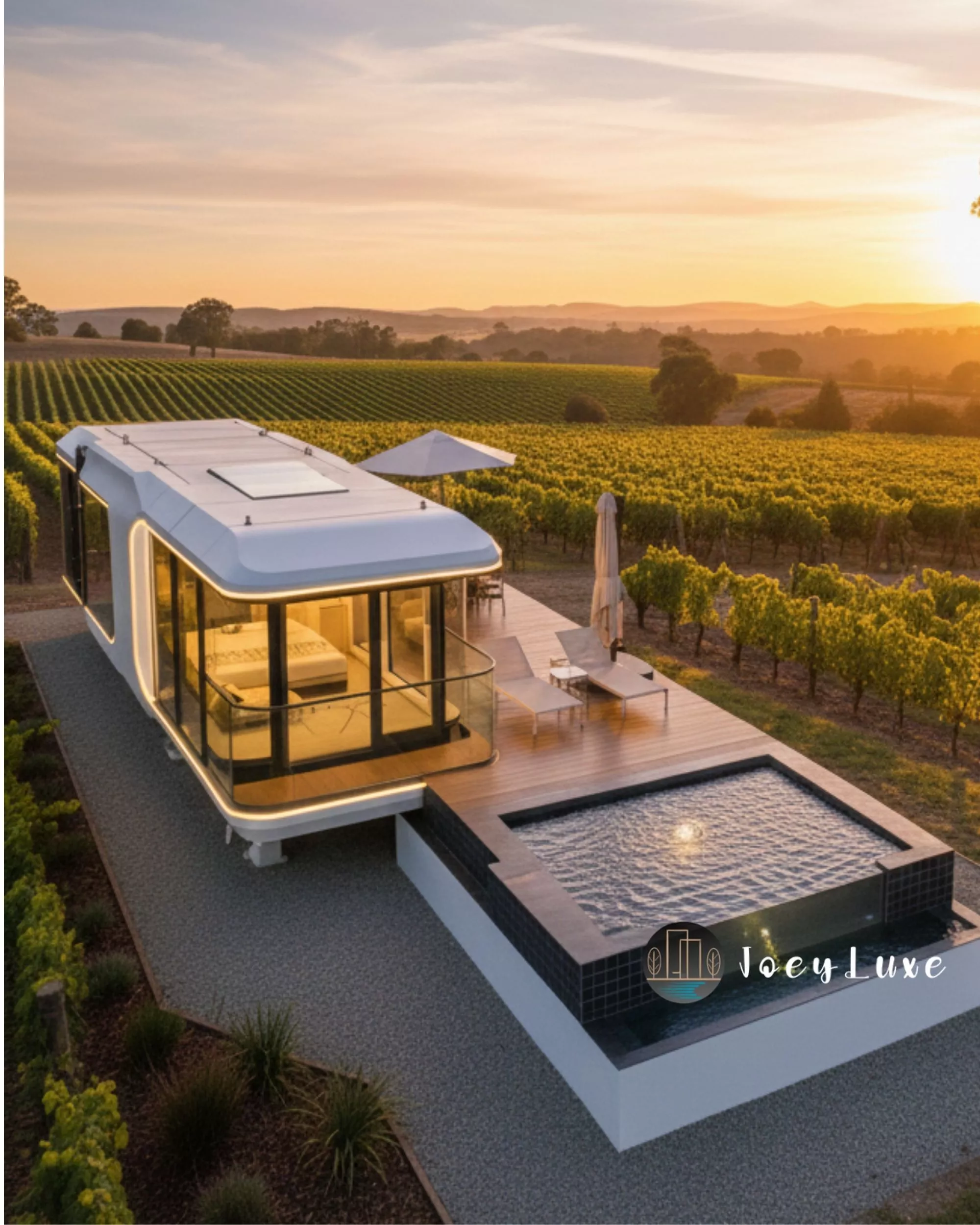
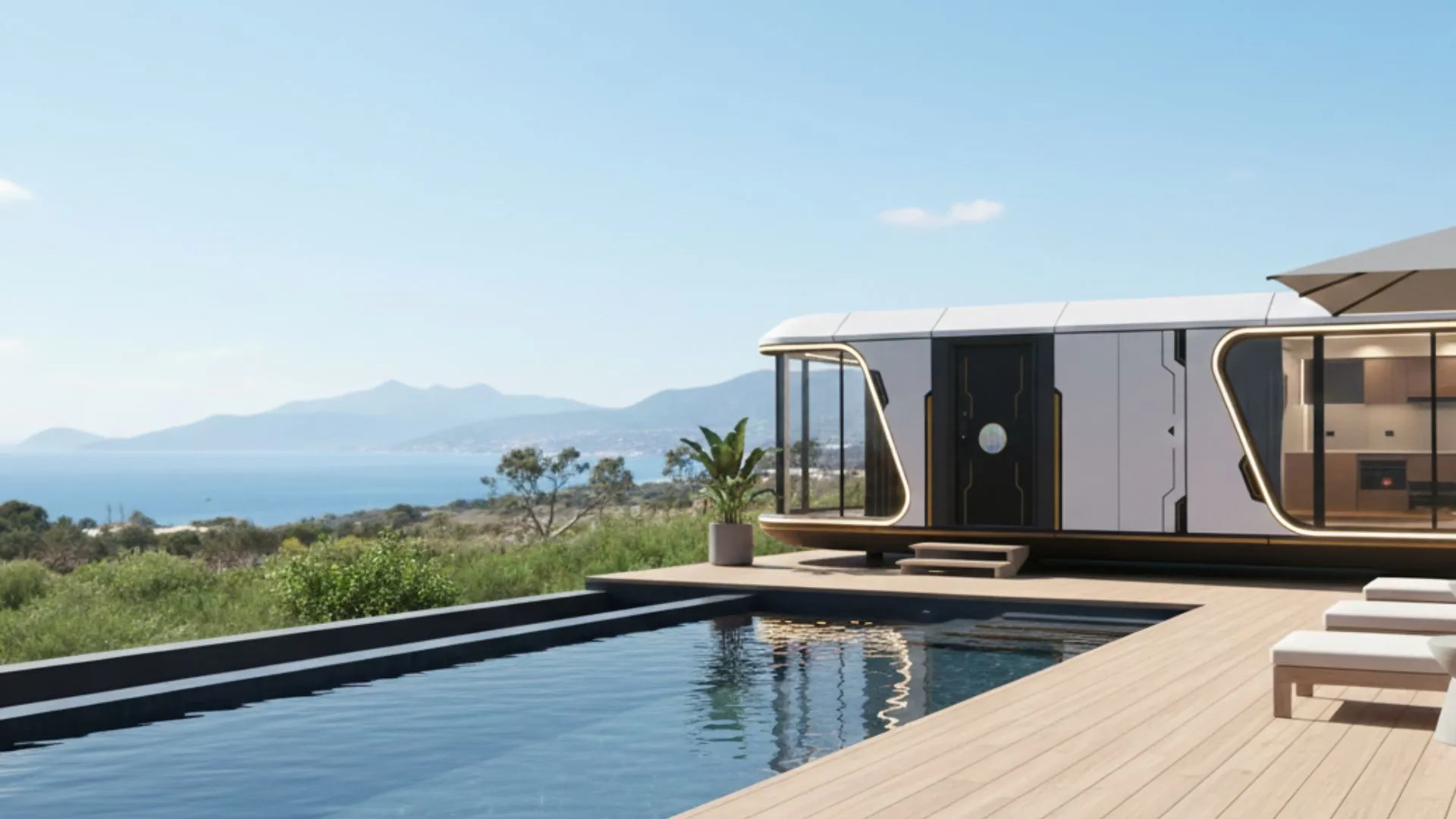
P&L structure — 10-key Jetstone, two models compared
The table below shows a side-by-side P&L for a 10-key Jetstone capsule hotel at $280/night ADR and 68% occupancy — the same gross revenue, two different operating structures, two significantly different net income outcomes.
| P&L line | Owner-operated | Third-party managed |
|---|---|---|
| Gross revenue | $694,960 | $694,960 |
| Cleaning & linen | ($62,546) — 9% | ($76,446) — 11% |
| Property management fee | $0 | ($152,891) — 22% |
| Platform fees (Airbnb / Booking) | ($69,496) — 10% | ($41,698) — 6% |
| Utilities | ($27,798) — 4% | ($27,798) — 4% |
| Maintenance & insurance | ($41,698) — 6% | ($41,698) — 6% |
| Council rates & land tax | ($13,899) — 2% | ($13,899) — 2% |
| Total operating costs | ($215,437) — 31% | ($354,430) — 51% |
| Net operating income | ~$479,523 | ~$340,530 |
| Net yield on $1.2M capex | ~40% | ~28% |
Indicative estimates only. All figures assume 10-key Jetstone, $280/night ADR, 68% occupancy, $1.2M all-in capex. Actual operating costs vary significantly. Seek independent financial and tax advice.
Notice that the owner-operated model has a higher platform fee line than the managed model. Third-party managers typically negotiate lower blended platform fees through volume arrangements and are more effective at driving direct bookings through their own channels. A well-chosen management company with a strong direct booking funnel can close the net income gap significantly — the 12% fee differential narrows the net income difference to $80K–$100K rather than $140K.
Choosing the right operating model for your project
The right model is determined by four factors. Work through them in order before committing to an operating structure.
- 1. How much time do you have? Owner-operated requires 5–8 hours per week per 4–6 units for bookings, guest relations and cleaning coordination. If you have a full-time job or live more than 90 minutes from the site, third-party management is the practical default.
- 2. Do you have hospitality operating experience? Dynamic pricing, OTA optimisation, review management and guest experience delivery are skills that directly determine ADR and occupancy. First-time operators frequently underperform managed properties in their first 12 months. If you lack this experience, a good management company earns its fee in Year 1.
- 3. What is your return target? If net yield above 35% is the target, owner-operated with a direct booking investment is the only structure that reliably achieves it. If capital preservation and predictable passive income is the target, third-party management or anchor operator lease is lower-stress.
- 4. Are you an existing operator with hotel land? If you already operate a hotel or resort, the portfolio expansion model is the most capital-efficient option available to you — incremental keys on zero-cost land, managed within existing infrastructure, at the highest RevPAR efficiency of any structure.
Financing a capsule hotel in Australia
Capsule hotel financing sits at the intersection of commercial real estate lending, equipment finance and tourism asset investment. The fact that units are factory-built personal property rather than fixed real estate affects how lenders categorise the asset.
Commercial property loan: Available if the units are permanently installed on owned land and a DA for tourist and visitor accommodation is in place. Lender will treat the land and installed units as the security. LVR typically 60–70%. A business plan with realistic revenue projections is required. Specialist commercial lenders with tourism accommodation experience are the appropriate starting point — not standard residential mortgage brokers.
Equipment finance: The unit purchase ($99K–$139.9K per unit) can be funded separately from the site works under a chattel mortgage or commercial hire purchase. This preserves the operator's working capital for site preparation and DA costs. Equipment finance is available for commercial-use assets regardless of fixed installation status.
Development finance: For larger projects (15+ keys, $1.5M+ capex), development finance drawn down in stages as units are installed and commissioned is available from specialist tourism and hospitality lenders. Seek advice from a commercial finance broker with specific tourism accommodation experience.
Joey Luxe does not provide finance advice. The above is a general overview of financing structures used by operators in this sector. Speak with a commercial finance broker and accountant familiar with tourism accommodation assets before committing to a financing structure. Tax treatment of factory-built units (depreciation, GST, instant asset write-off eligibility) should be confirmed with your accountant before order.

Complete the capsule hotel series
Frequently asked questions
Four main models: (1) Owner-operated direct booking — highest net margin (45–65% of gross), requires 5–8 hours per week per 4–6 units; (2) Third-party managed — fully passive, management fee 18–28% of gross, net 35–48%; (3) Anchor operator lease — site owner leases to an experienced operator, receives fixed ground rent or revenue share, near-zero time commitment; (4) Hotel portfolio expansion — existing hotel operators add keys on owned land, absorbed into existing hotel infrastructure, highest RevPAR efficiency. Indicative estimates only — seek independent financial advice.
A 10-key Jetstone at $280/night ADR and 68% occupancy: ~$694,960 gross. Owner-operated net income (31% opex): ~$479,523. Third-party managed net income (51% opex including management fee): ~$340,530. Net yield on $1.2M all-in capex: ~40% owner-operated, ~28% managed. At Tier 1 benchmarks ($350 ADR, 75% occupancy), gross revenue rises to ~$958,125 and yields improve proportionally. Indicative estimates only — seek independent financial advice.
18–28% of gross revenue is the typical range for a third-party short-stay property manager in Australia. Services included: booking management across all platforms, cleaning coordination, guest communications, maintenance coordination and monthly financial reporting. Some managers charge a flat fee per booking instead of a percentage. Compare total projected cost at your expected occupancy rate before signing any management agreement.
Factory-built units are personal property (chattel) not fixed real estate, which affects lender categorisation. Commercial property loans are available if units are permanently installed on owned land with DA for short-stay accommodation in place — typically at 60–70% LVR. Equipment finance can fund the unit purchase separately. For larger projects (15+ keys), specialist development finance is available. Engage a commercial finance broker with tourism accommodation experience — this is not standard residential lending.
Owner-operated: total opex 25–45% of gross, net yield approximately 30–45% on all-in capex at Tier 1–2 locations. Third-party managed: total opex 45–65% (management fee is the dominant line), net yield approximately 18–32%. The gap narrows when the management company achieves strong direct bookings that reduce effective platform fees. Owner-operated is higher return but requires time and skill; managed is fully passive but lower yield. Your choice should match your time availability and hospitality experience. Indicative estimates only.
Tell us your location, key count, time availability and return target — we will map the operating model that best fits your situation. No obligation, 48-hour response.