
Luxury Glamping Pods Australia
What Earns $350–$600
a Night — and What Doesn't
The difference between a $220 booking and a $550 booking is rarely the land. It is the structure on it — the materials, the thermal comfort, the views, and the design moments guests remember and photograph. This guide covers what separates a luxury glamping pod from everything else in the market.
The Rate Ceiling Problem
Why the structure you choose sets an upper limit on what you can charge
Canvas glamping — bell tents, domes, and stretched-fabric pods — has a structural rate ceiling. Guests instinctively price what they are paying for. A canvas structure, however well-appointed, reads as temporary, seasonal, and fragile. Most guests will not book it in winter. Most will not pay above $250–$280 even in peak season, regardless of how the listing is presented.
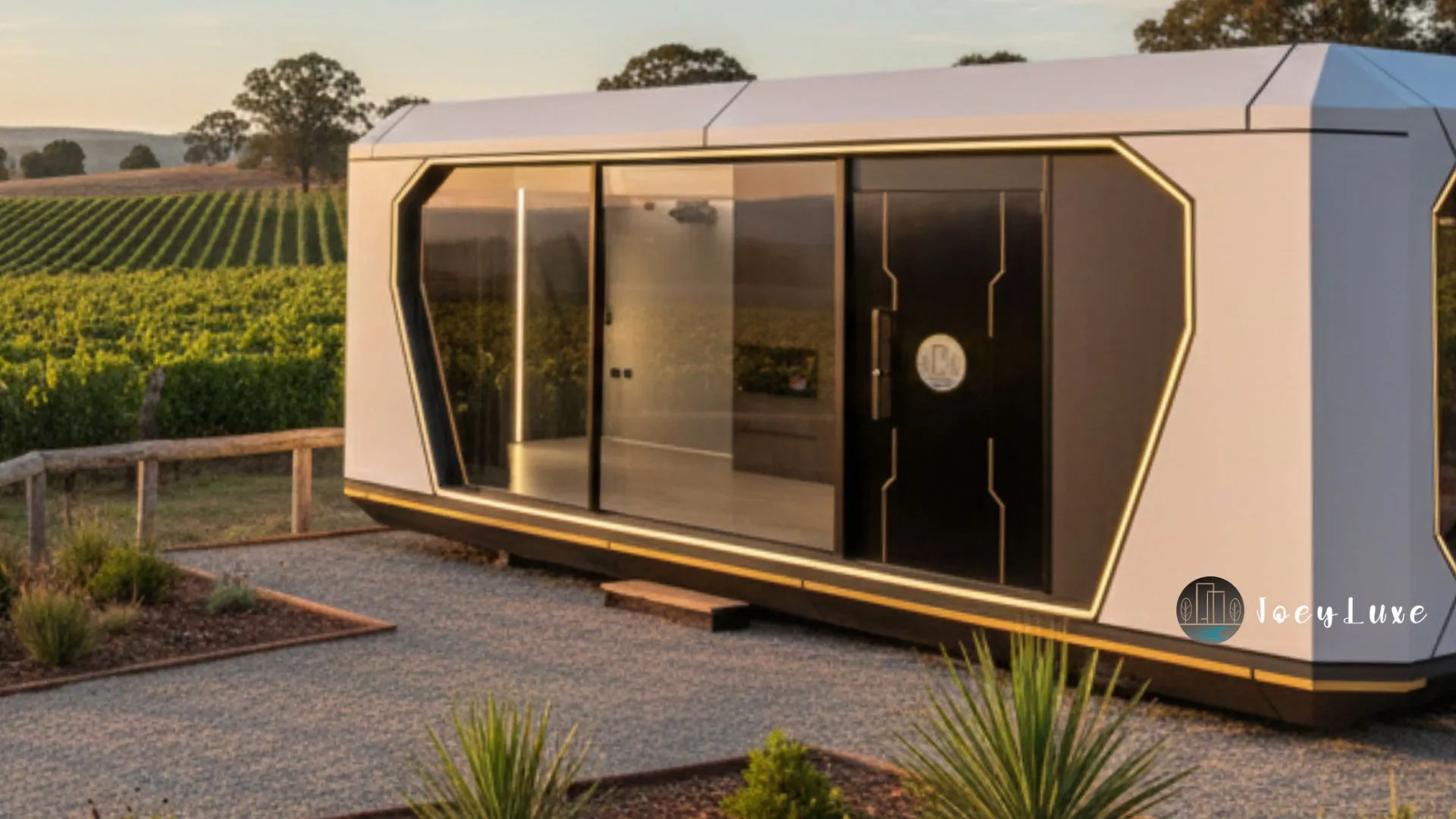
A permanent modular capsule house changes the category entirely. It reads as architecture. It has double-glazed windows, full wall and ceiling insulation, hardwired electricity, a real kitchen and bathroom, and a design language that photographs like a magazine shoot. Guests who are choosing between three Airbnb listings will pay materially more for it — not because of the amenities list, but because it feels worth the premium.
The rate differential is consistent across location tiers. The same rural block that would earn $220/night with a well-presented canvas glamping setup will regularly earn $380–$480/night with a Joey Luxe capsule. That difference, compounded across 200+ bookings per year, is the entire business case for permanent structure.
Nightly Rate Comparison
What each accommodation type earns — across location tiers
- 30–40% winter occupancy drop
- 5–10 year structural lifespan
- Rate ceiling around $280 regardless of location
- High maintenance — fabric, stakes, frames
- Seasonal income only in most climates
- Year-round thermal comfort — full insulation
- 30+ year structural lifespan
- No rate ceiling — scales with location quality
- Minimal maintenance — permanent structure
- Consistent occupancy across all seasons
- Better seasonality than canvas
- 10–20 year lifespan depending on construction
- Rate ceiling limited by perceived build quality
- On-site construction — weather and trade delays
- Inconsistent finish across custom builds
What Guests Are Paying For
The design details that justify a premium nightly rate
Guests at $400+ per night are not paying for amenities. They are paying for a feeling that the space was designed specifically for their experience — and these are the elements that create it.
Full-height glazing
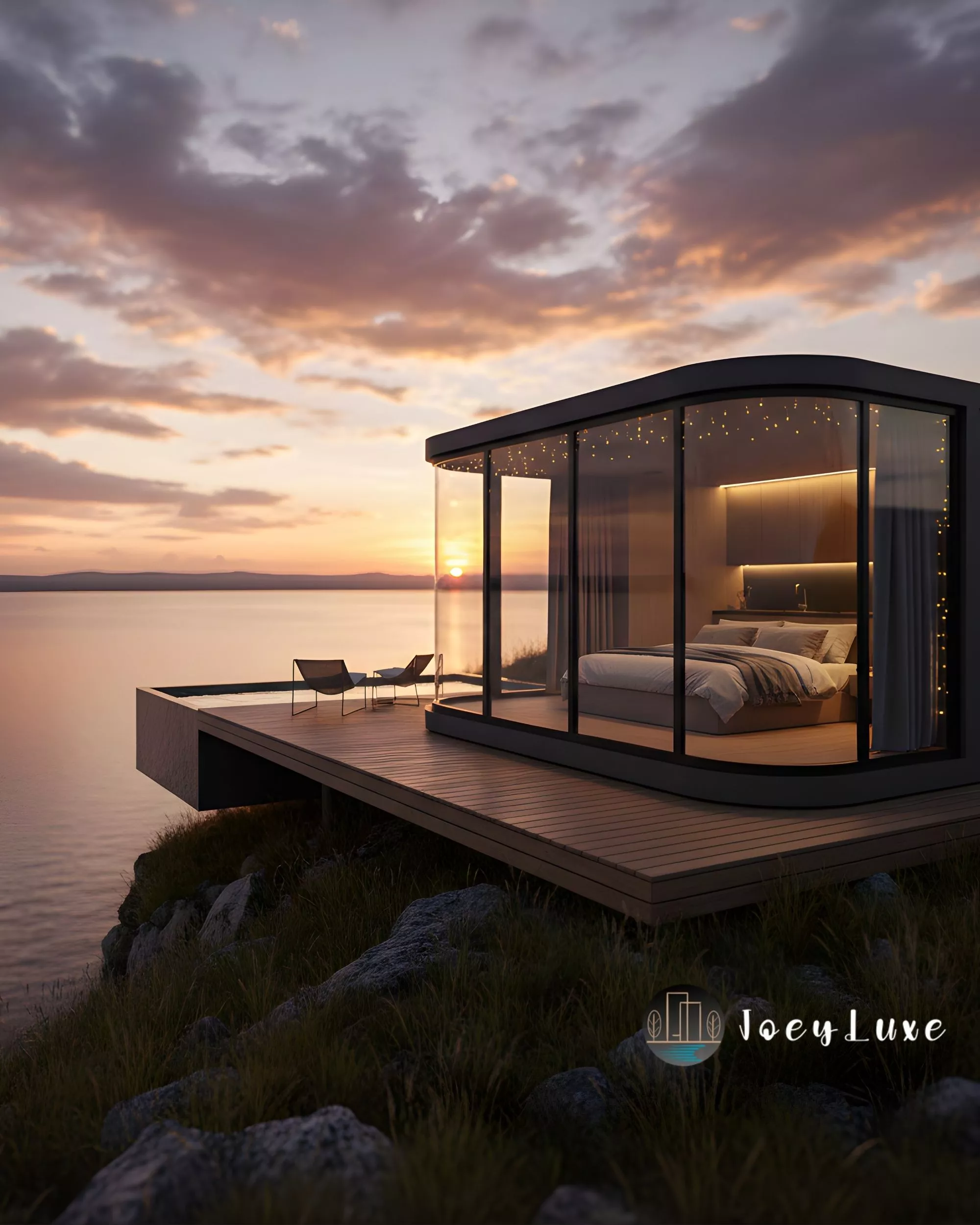
Floor-to-ceiling glass on the primary elevation makes the landscape part of the room. Guests photograph it the moment they arrive. It is the single design element most consistently mentioned in five-star reviews.
Year-round thermal comfort
Double-glazed windows and full insulation mean a guest in the Yarra Valley in July is warm without the noise, draft, and condensation of a canvas structure. Comfort in all conditions is table stakes for a $400+ booking.
Architectural form factor
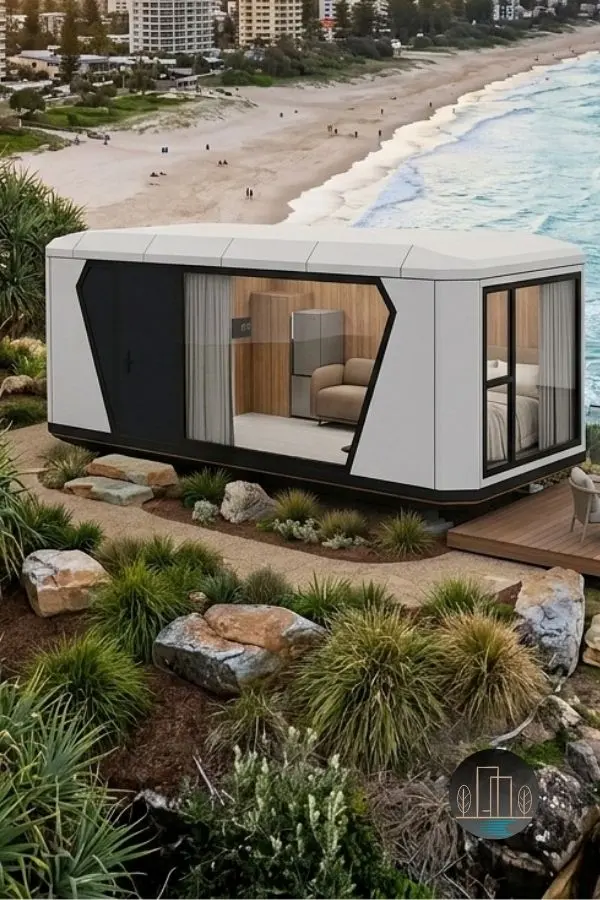
The capsule silhouette — compact, precise, and distinctly non-residential — reads as intentional design rather than repurposed construction. It is a form guests have not seen before, and novelty is a premium driver in short-stay accommodation.
Private outdoor deck
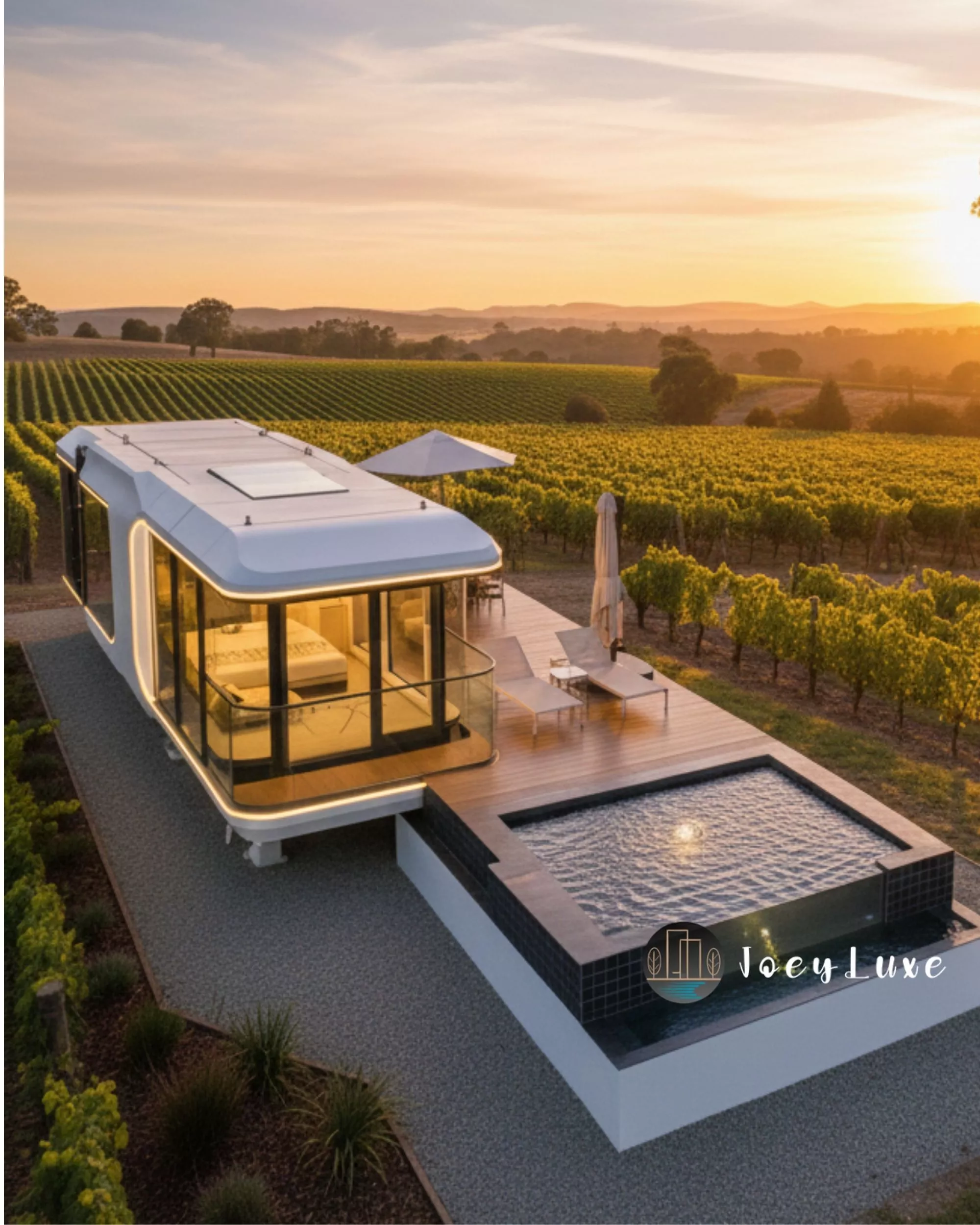
A covered outdoor deck facing the view creates a transition zone — somewhere between inside and outside — that guests consistently rate as the most-used space. It is where morning coffee happens and where the booking story is made.
Hardwired utilities
Permanent power, plumbing, and climate control remove the operational friction that canvas glamping operators deal with daily. Guests do not think about utilities — which is exactly the point. Invisible infrastructure enables a hotel-grade experience.
Site placement & orientation
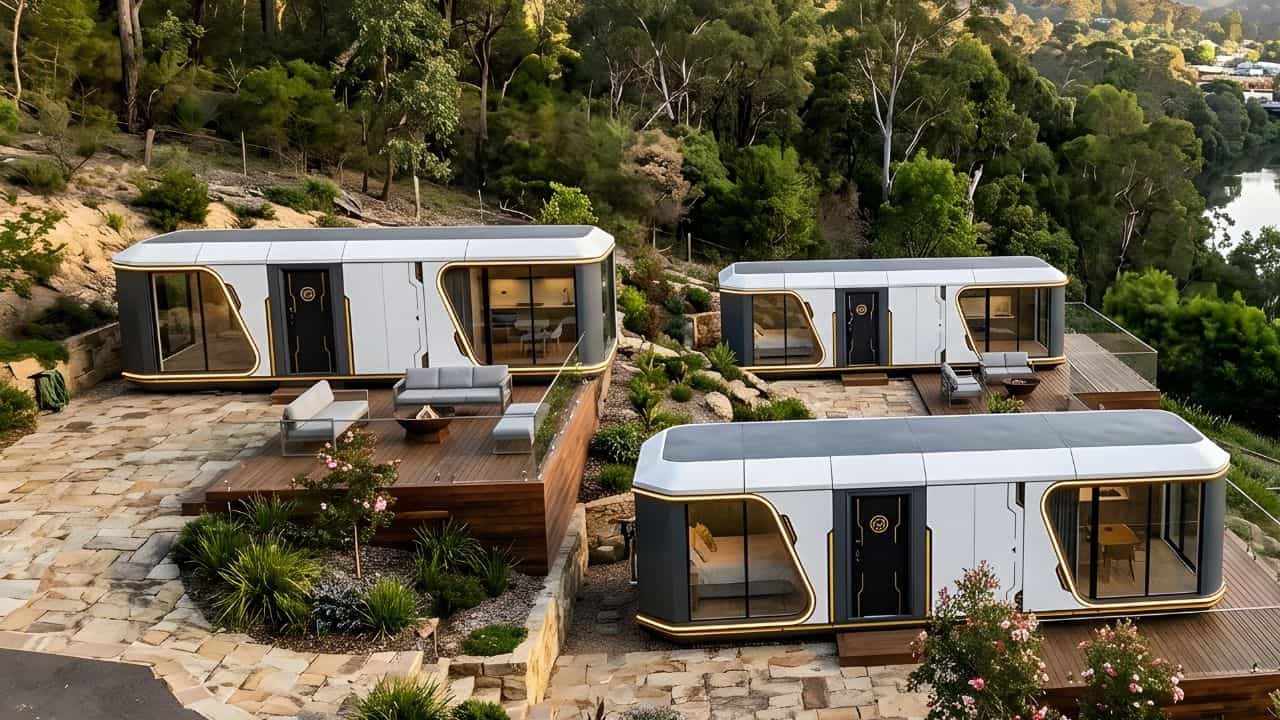
A capsule positioned with the glazed face toward the sunrise, set back from neighbouring units, on a gentle rise — earns more than the same capsule in a flat paddock facing a fence. The pod earns the rate; the placement determines the ceiling.
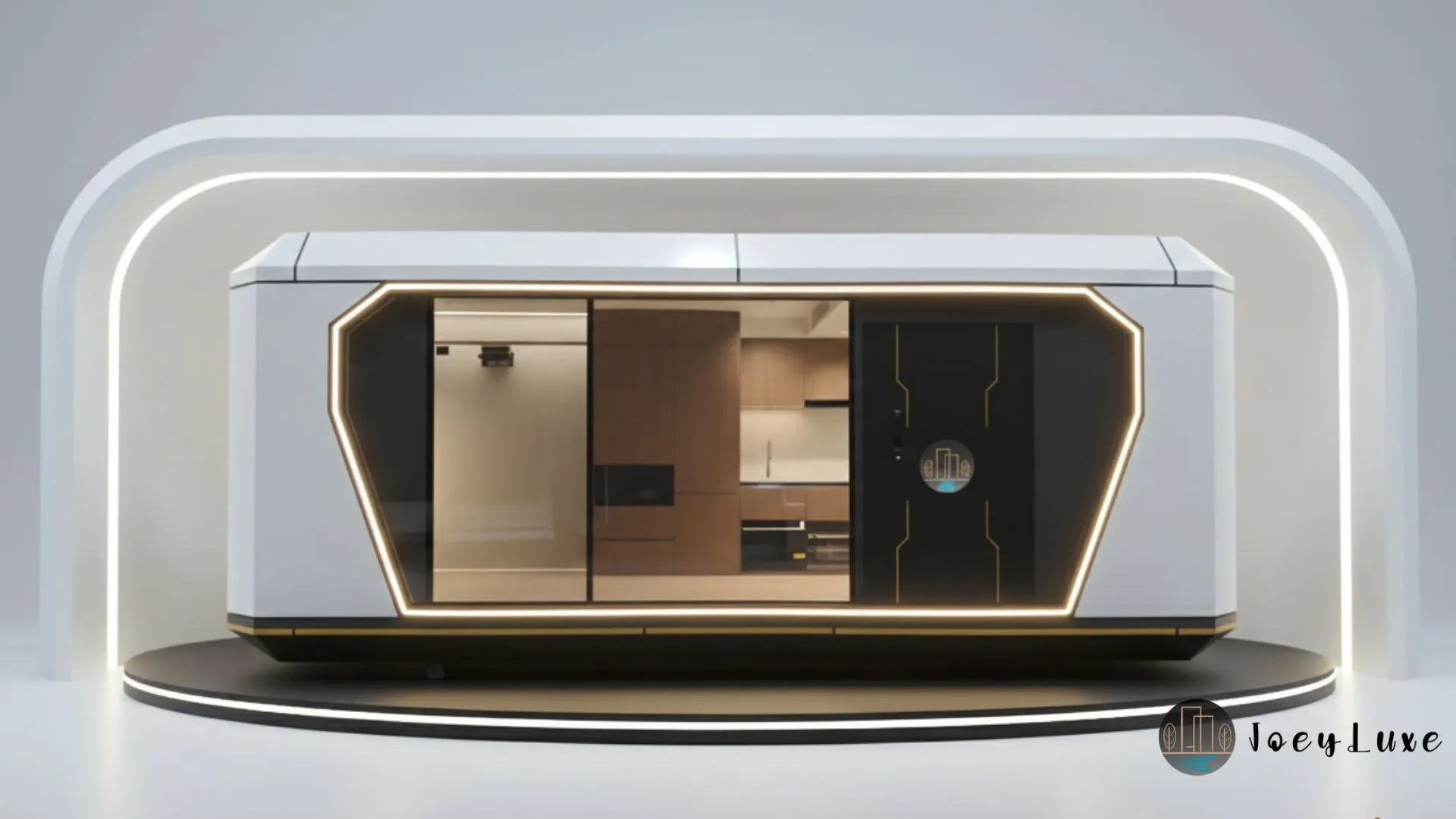
1-Bedroom Model
The Jetstone — precision couples retreat
The Jetstone is engineered for couples accommodation — compact enough to position on sites with limited footprint, premium enough to command $350–$550 per night in a well-chosen location. Full-height glazing faces the primary view. The sleeping platform is elevated to preserve sight-lines from the bed.
From $99,000. With a realistic nightly rate of $340 and 62% annual occupancy, the Jetstone reaches payback in approximately two years at a premium regional location.
Jetstone specifications →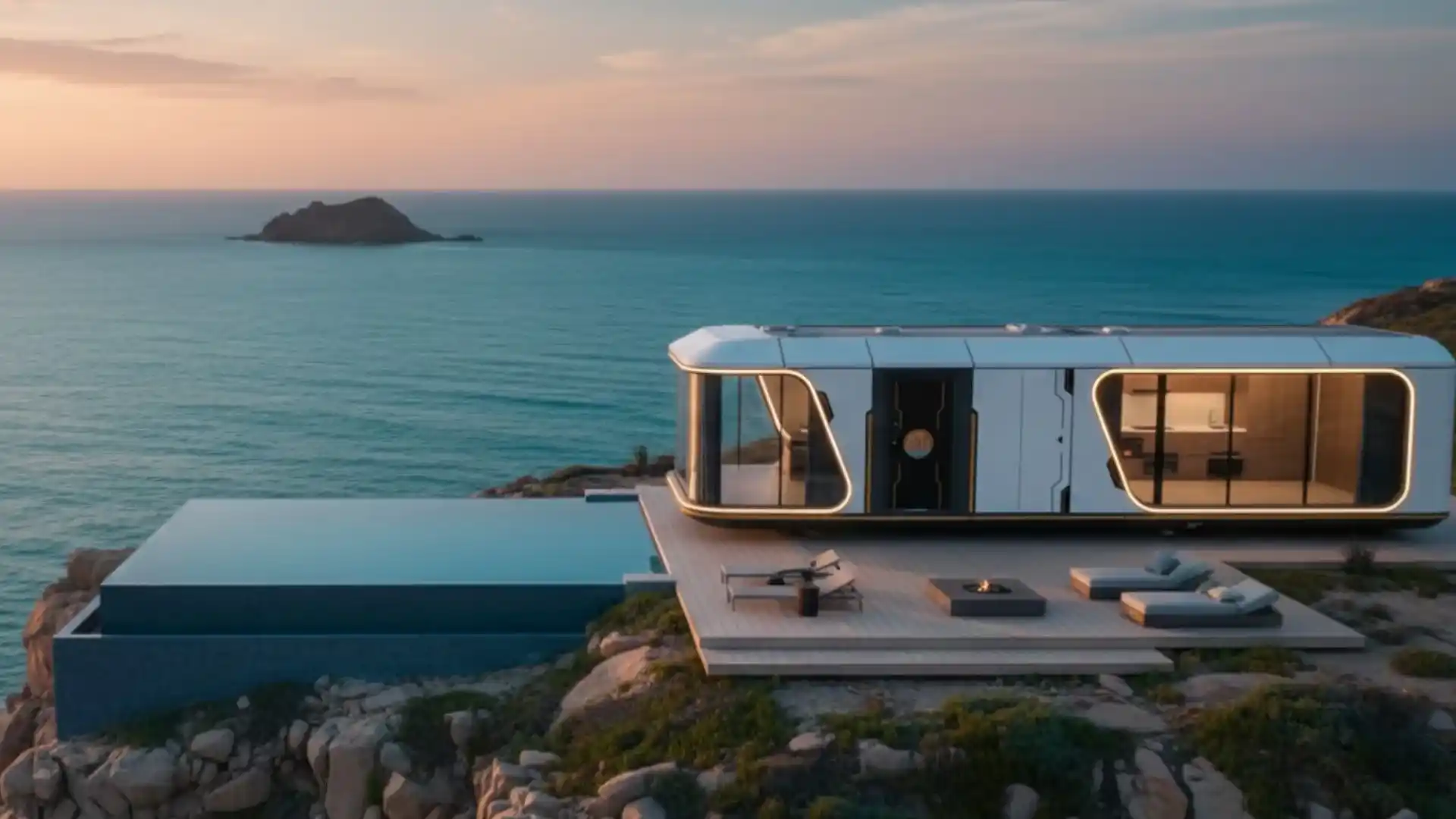
2-Bedroom Model
The Juniper — family and group nightly rate premium
The Juniper accommodates families and small groups — the guest segment that will pay the most per booking because they are replacing three hotel rooms, not one. A 2BR capsule on an iconic site will book at $480–$700+ per night at 68–75% annual occupancy.
From $159,900. The outdoor deck, extended living zone, and second bedroom make the Juniper the highest-revenue key in most glamping operations that carry both models.
Juniper specifications →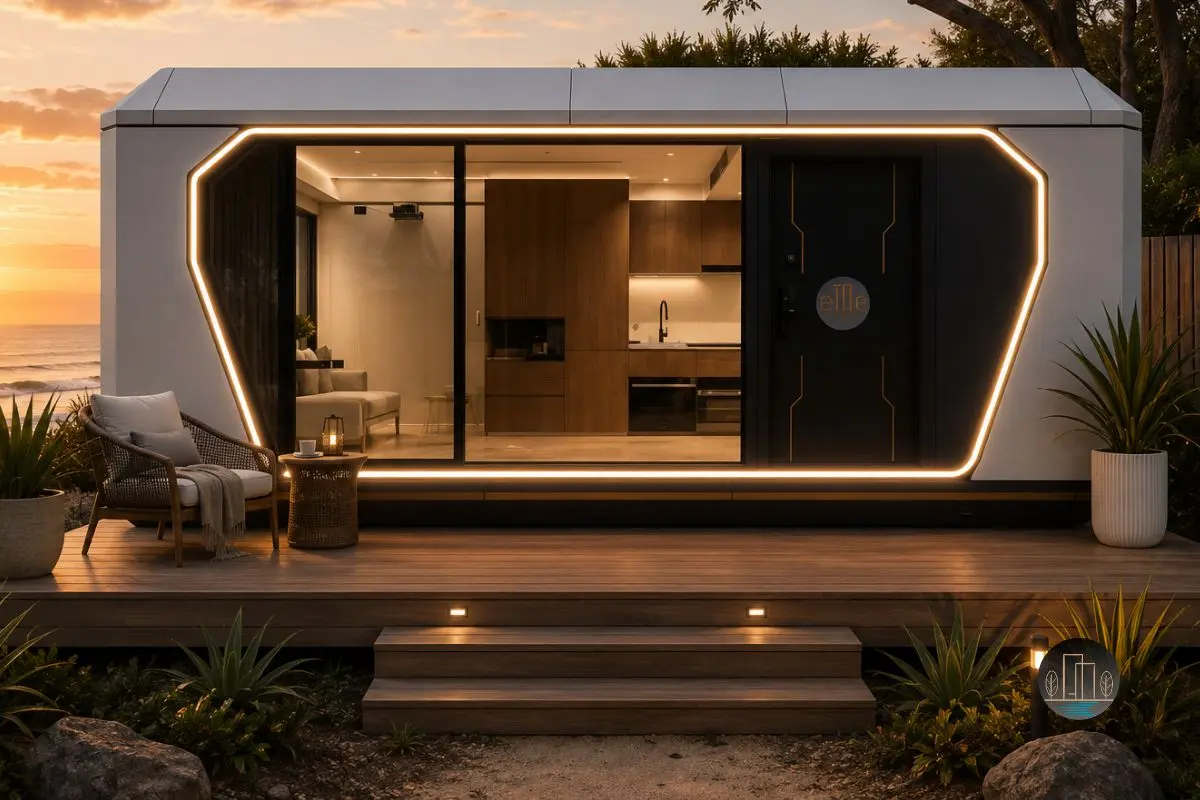
Specification Comparison
Jetstone vs. Juniper — key operator metrics
| Metric | The Jetstone (1BR) | The Juniper (2BR) |
|---|---|---|
| Bedrooms | 1 | 2 |
| Target guest type | Couples, solo retreats | Families, small groups |
| Starting price | From $99,000 | From $159,900 |
| Realistic nightly rate — Tier 2 | $300–$420 | $380–$550 |
| Peak rate — Tier 1 iconic location | $420–$700+ | $550–$800+ |
| Target annual occupancy | 62–70% | 65–75% |
| Est. net annual profit — Tier 2 | $54,000–$70,000 | $80,000–$110,000 |
| Typical payback period | 1.8–2.5 yrs | 1.5–2.2 yrs |
| Structural lifespan | 30+ years | |
| Off-grid compatible | Yes — solar, battery, LPG, rainwater | |
Figures are indicative estimates based on Joey Luxe operator data and publicly available benchmarks. Seek independent financial advice before investing.
Questions
Common questions about luxury glamping pods
Continue Reading
Next steps for glamping operators
Start the Conversation
Talk to Joey Luxe about the right pod for your site
Share your land, your location, and your target market. We will advise on which model configuration and finish level makes the strongest case on your numbers.