
Your land is an asset.
Make it work.
Modular capsule accommodation gives Australian landowners a proven, low-disruption pathway to generating consistent income from rural, tourism, and farm properties.
Start your feasibility conversation Capsule hospitality overviewTurning underperforming land into a revenue-generating hospitality asset
Australia has millions of hectares of rural and semi-rural property that sits largely dormant outside of primary production. For many landowners, the missing piece is not demand — regional tourism continues to grow year on year — it is a practical, affordable way to host guests without the capital intensity of traditional construction.
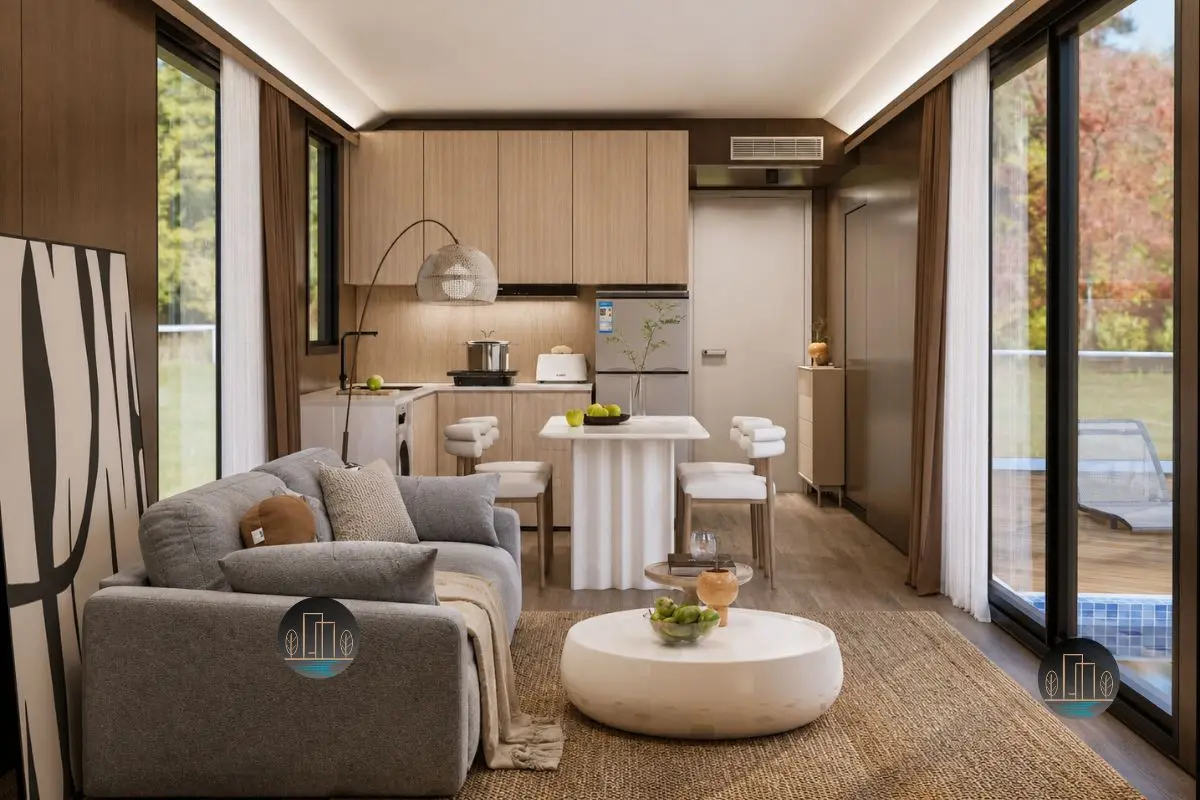
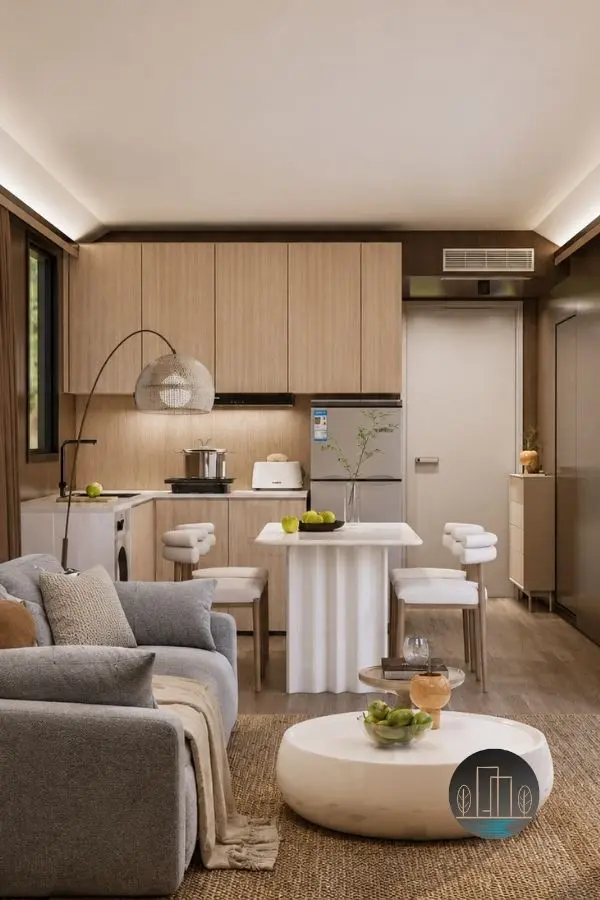
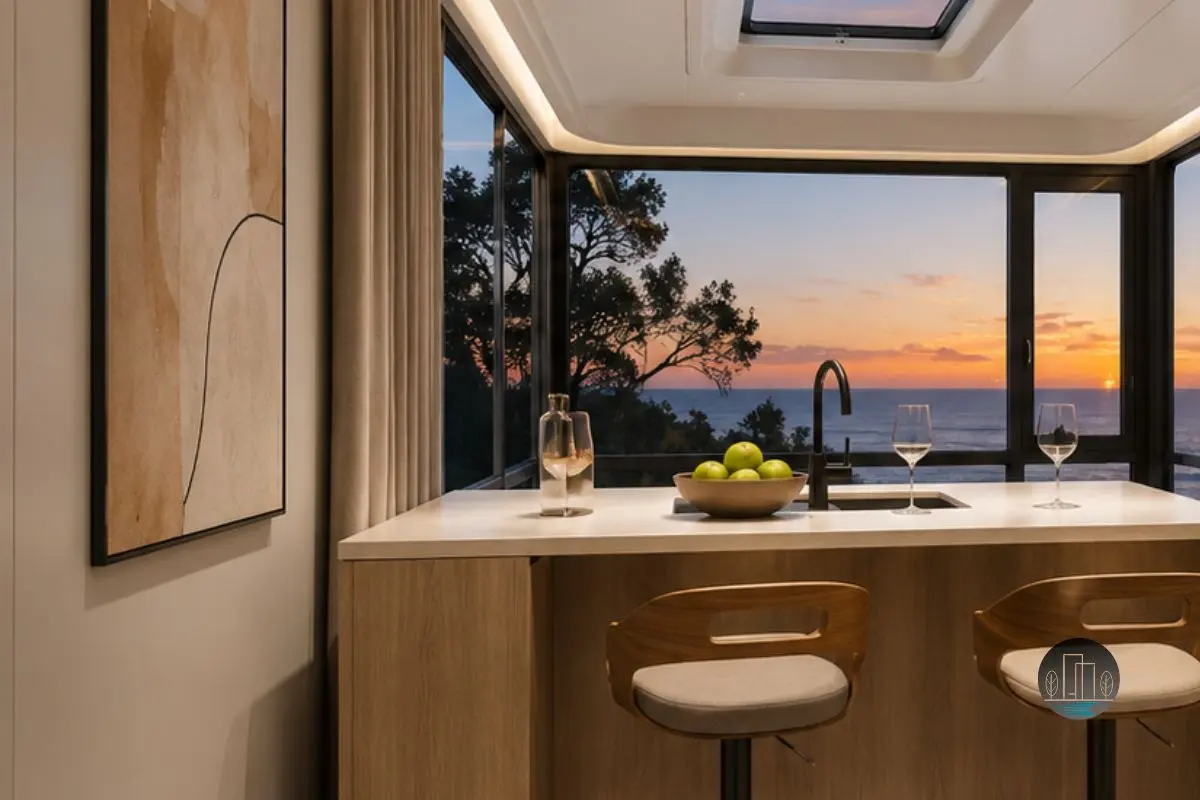
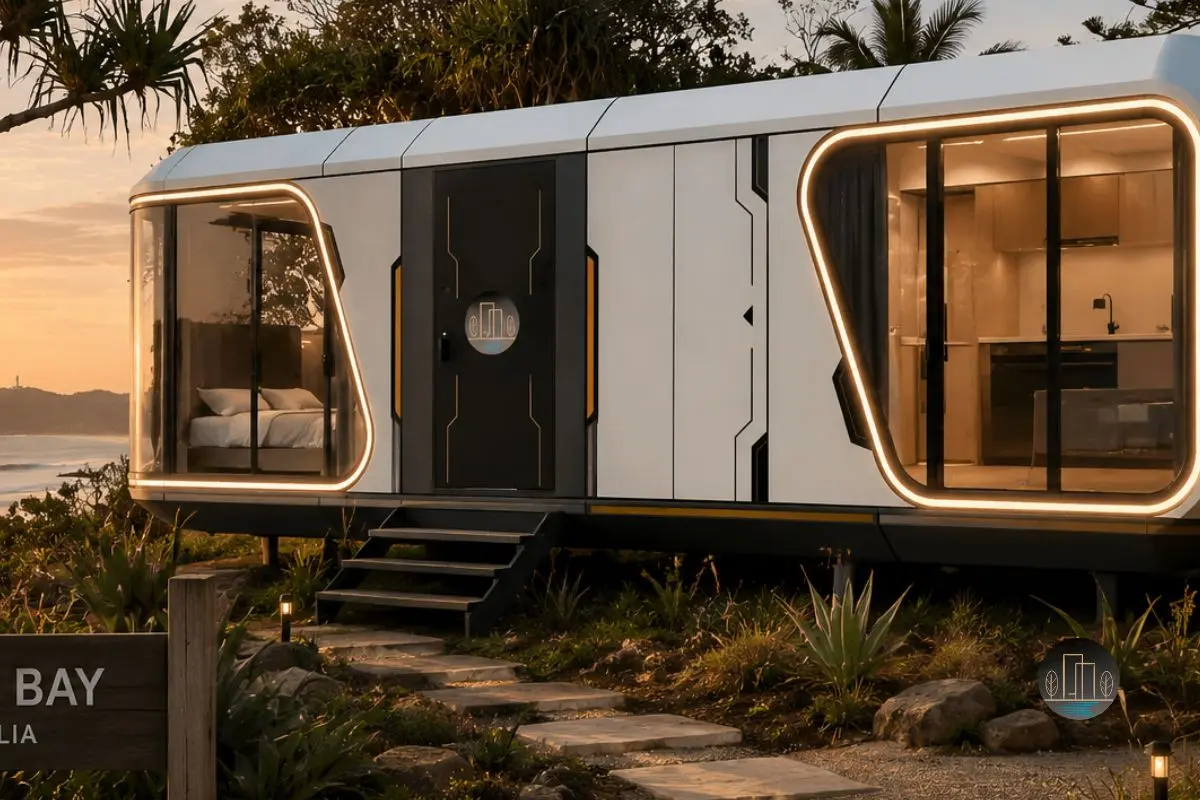
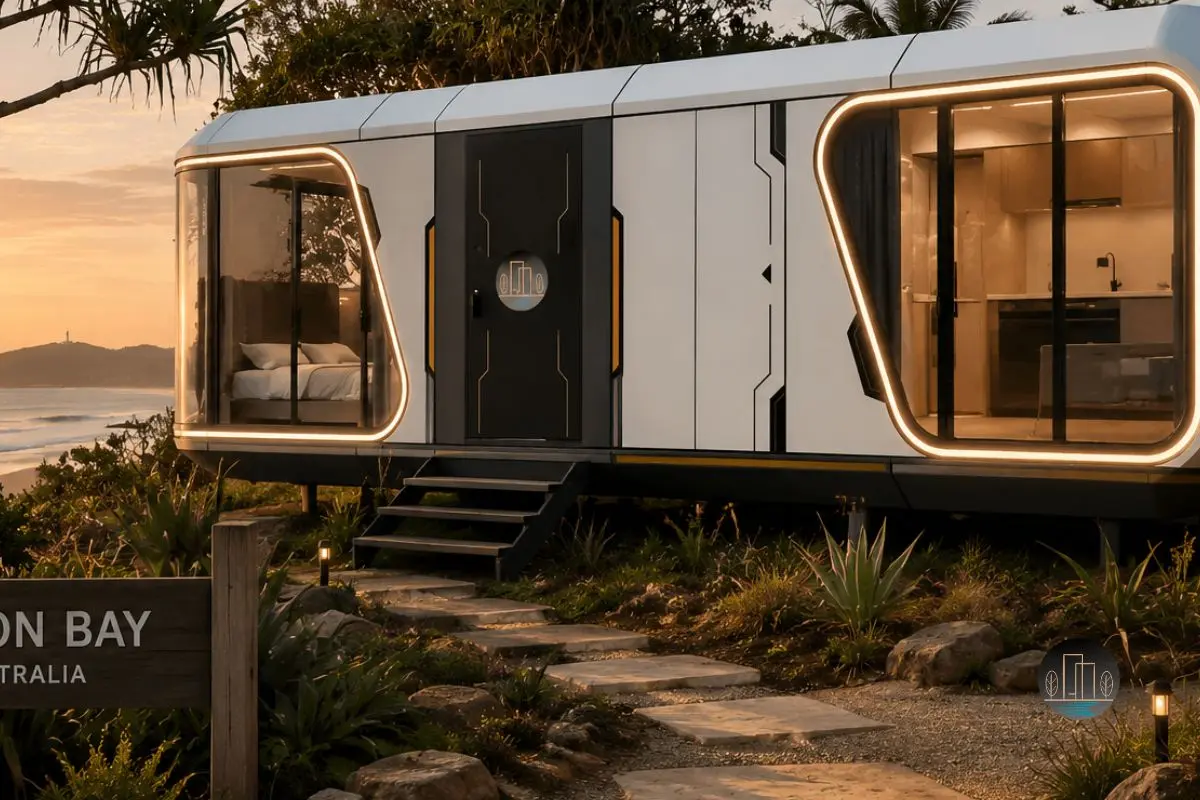
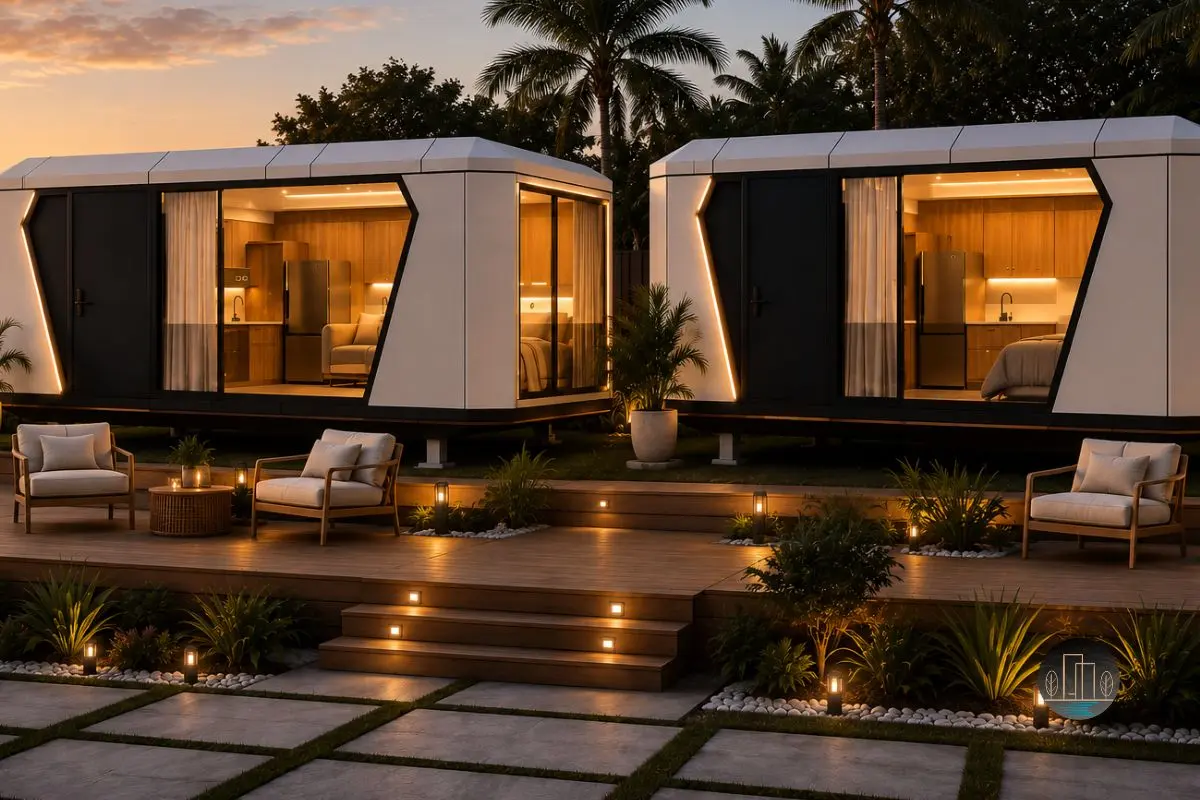
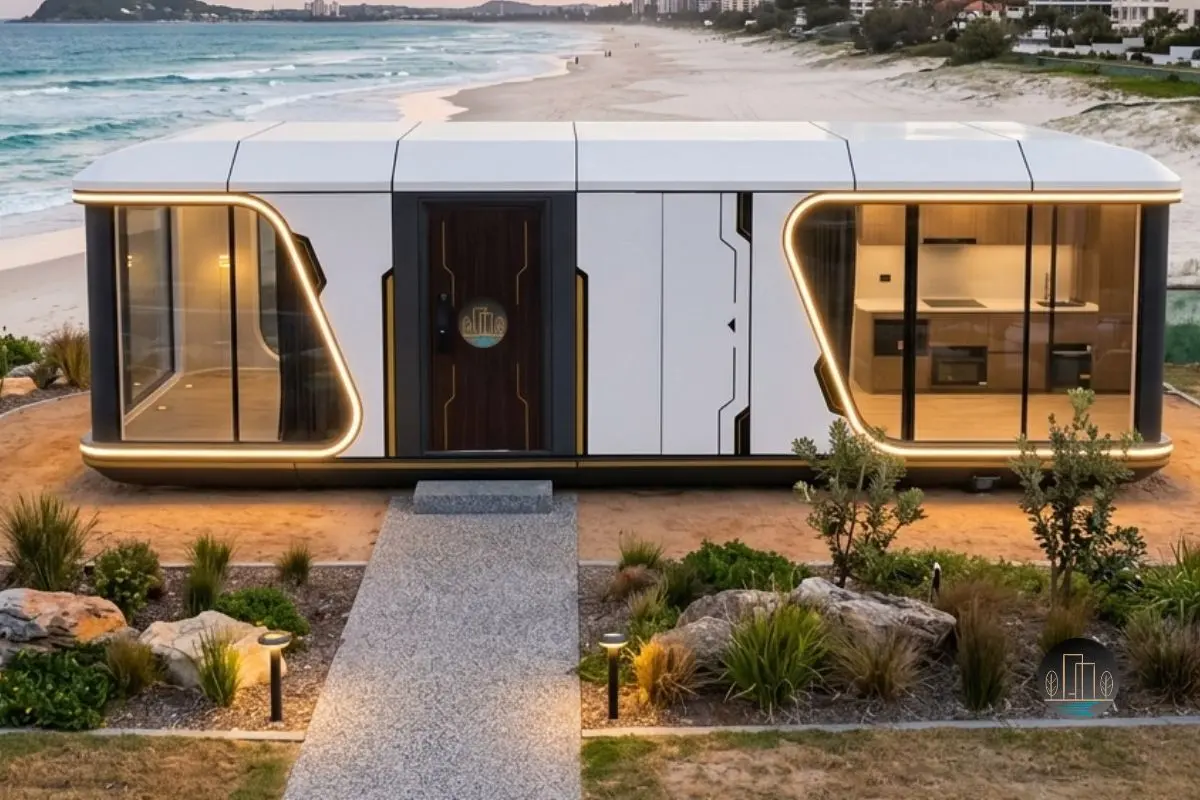
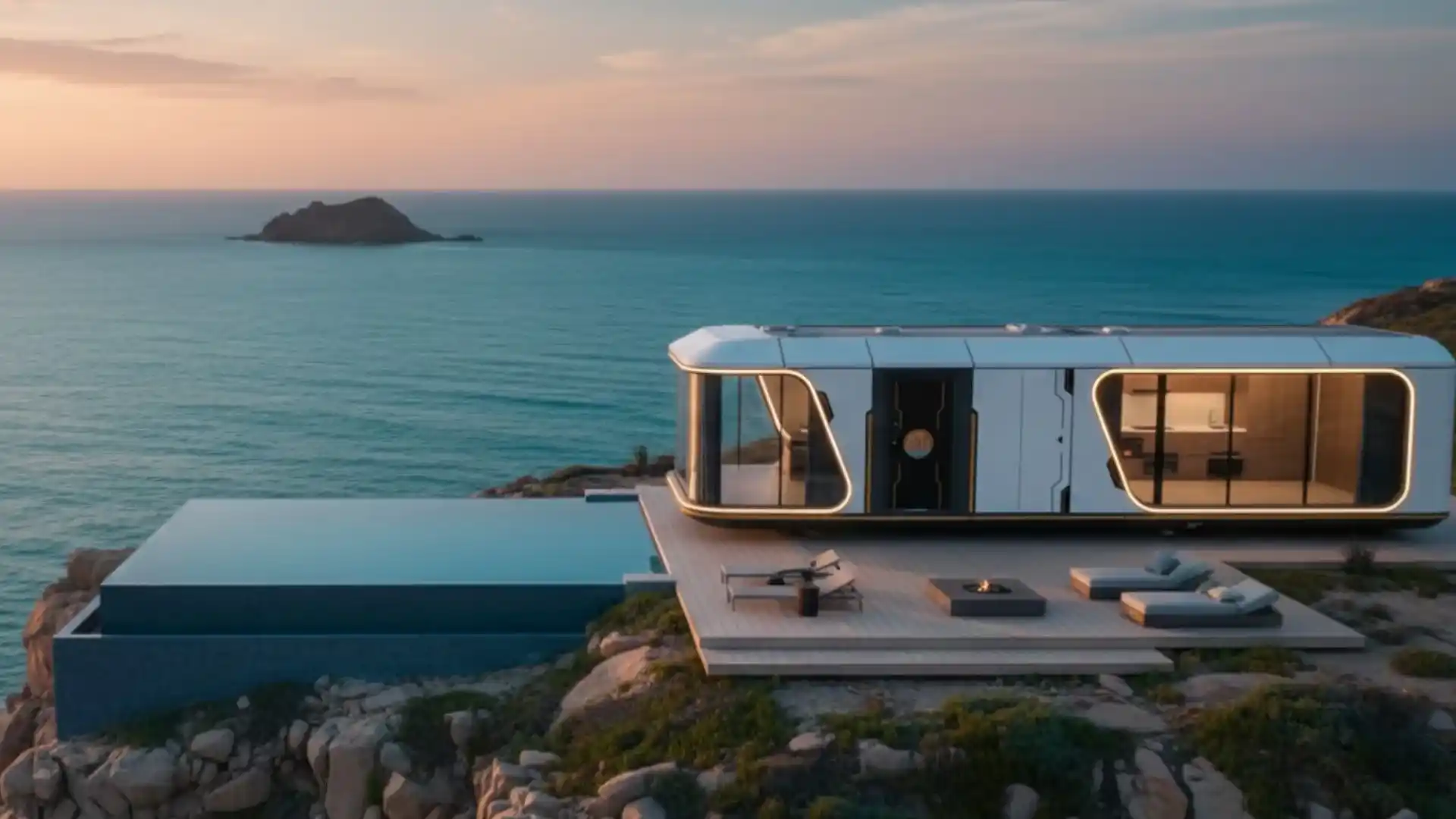
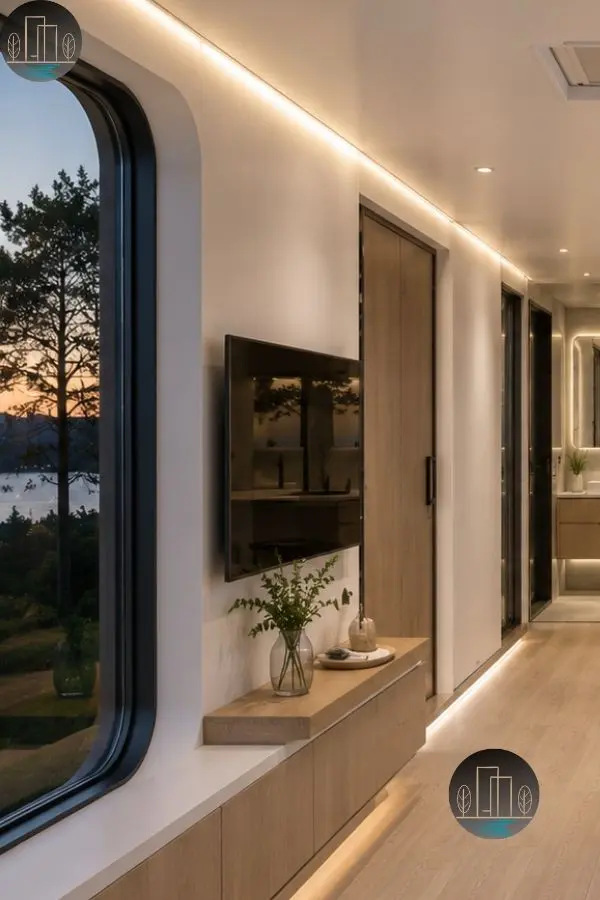
Joey Luxe capsule accommodation changes that equation. These are hotel-grade modular units that can be placed on suitable land within weeks, require no permanent footings in many configurations, and are designed to achieve nightly rates that support a genuine business case from the very first booking.
Whether you hold tourism land, a working farm, or a scenic rural block, this page covers the pathways, considerations, and strategies that landowners across Australia are using to build passive income from property that was previously producing nothing.
How landowners go from idle property to income
Site and feasibility review
We assess your land type, zoning, access, and local tourism demand to establish a realistic income model before you commit to anything.
Select your capsule configuration
Choose the unit size, finish, and number of capsules that matches your land's capacity and your investment appetite. Start with one, scale when ready.
Delivery and setup
Joey Luxe capsules arrive pre-built and are positioned on site with minimal groundwork. Most operators are taking bookings within 8–12 weeks of sign-off.
Launch and optimise
List on Airbnb, Hipcamp, and direct channels. We provide guidance on pricing strategy, photography, and the guest experience touches that drive repeat bookings.
Scale on your terms
Once your initial capsules are performing, adding units is straightforward. Many operators double or triple their inventory within the first 18 months.
Ongoing asset flexibility
Unlike permanent construction, modular capsules can be reconfigured, relocated, or sold independently — giving you options as your land use strategy evolves.
The case for capsule over conventional construction
A permanent cabin or lodge typically involves months of council approvals, significant site preparation, builders, trades, and a fixed structure that cannot be moved if your circumstances change. The capital is locked, and the timeline to first revenue is long.
A Joey Luxe capsule is different in almost every respect. Engineered in a controlled factory environment, delivered to site, and connected to existing services, the path from decision to first booking can be measured in weeks. The unit retains resale value independently of the land, and its modular nature means future additions are additive rather than disruptive.
For landowners considering passive income from land for the first time, that combination of lower risk, faster returns, and preserved flexibility is difficult to match through any other format.
Tourism land development with capsule accommodation
Tourism-zoned land is often the most direct pathway to short-stay income. These guides cover everything from initial feasibility through to ROI modelling and investor positioning.
Tourism Land Development
What tourism land development looks like in practice — zoning considerations, site requirements, and the modular development model that minimises approval risk.
Read guideTourism Land ROI
Revenue benchmarks, occupancy assumptions, and return-on-investment modelling for tourism land developed with capsule accommodation across different Australian regions.
Read guideTourism Accommodation Opportunities
An overview of the short-stay accommodation landscape in Australia — where demand is strongest, which property types attract the best nightly rates, and how operators are positioning.
Read guideTourism Feasibility Study
How to structure a feasibility assessment for a tourism land project — covering demand analysis, cost modelling, approval pathways, and go/no-go decision criteria.
Read guideTourism Investment Australia
The investment landscape for Australian tourism property — how institutional and private investors are approaching the sector, and what makes a site attractive to capital.
Read guideExplore Tourism Land
Start with an overview of how tourism-zoned land in Australia can be activated for short-stay revenue with minimal upfront infrastructure.
View overviewRural land that earns — without changing what makes it valuable
One of the persistent concerns among rural landowners considering accommodation is that hosting guests will compromise the character of the property. In practice, the opposite is often true: a well-executed glamping or capsule operation enhances the perceived value of rural land by demonstrating its experiential potential.
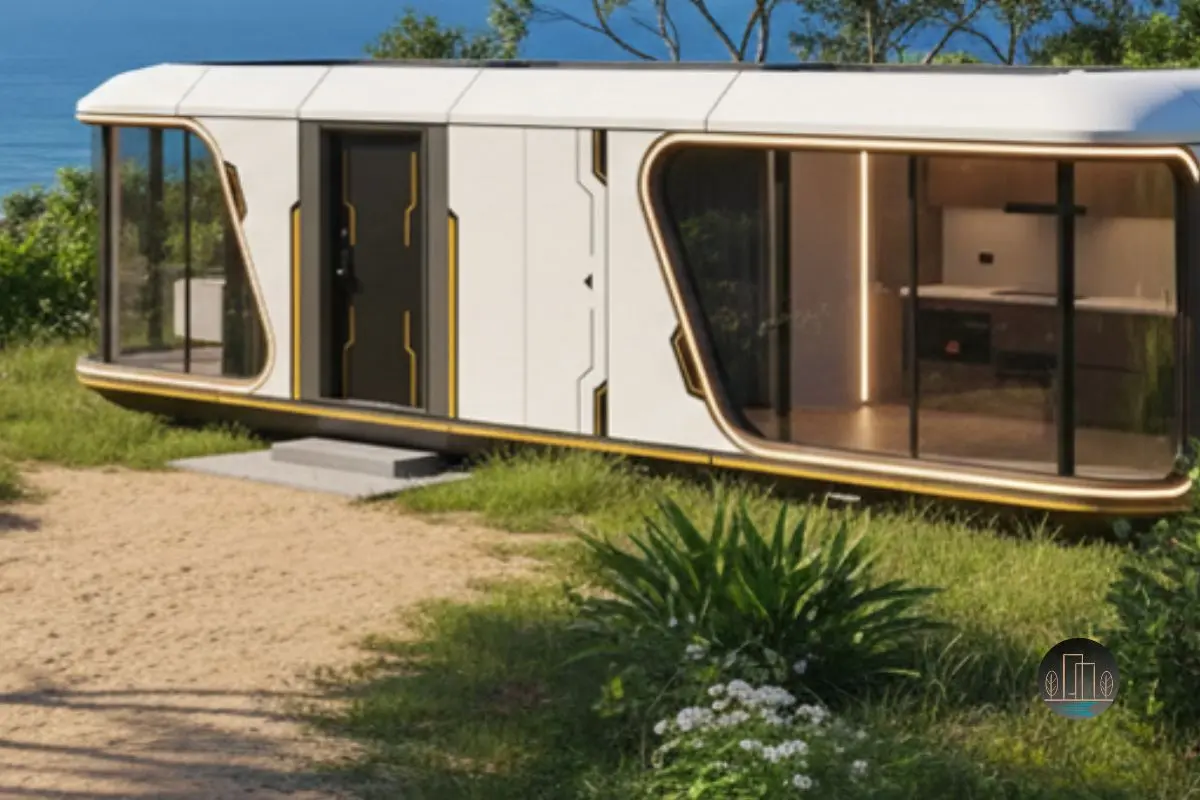
Joey Luxe capsules are designed to sit quietly in a landscape. Their material palette — timber, steel, glass — reads as considered rather than intrusive, and guests are there precisely because of what your land offers, not despite it.
The rural land section below covers the specific considerations for non-tourism-zoned property, including pathway strategies for obtaining approval and the income models that work at different scales.
Rural land income through short-stay accommodation
Rural properties across Australia are finding a new income layer through capsule accommodation — without disrupting primary production or the character of the land.
Capsule House for Rural Land in Australia
An introduction to the rural land income opportunity — zoning context, approval pathways, and how modular accommodation changes the economics for non-tourist-zoned property.
View Capsule House ModelMore rural land guides
Additional guides covering rural land ROI, approval strategy, and income modelling are in development and will be published shortly.
Start with the overviewTalk to us about your rural land
Every rural block is different. If you have a specific property in mind, the fastest way to understand its potential is a direct conversation with our team.
Get in touch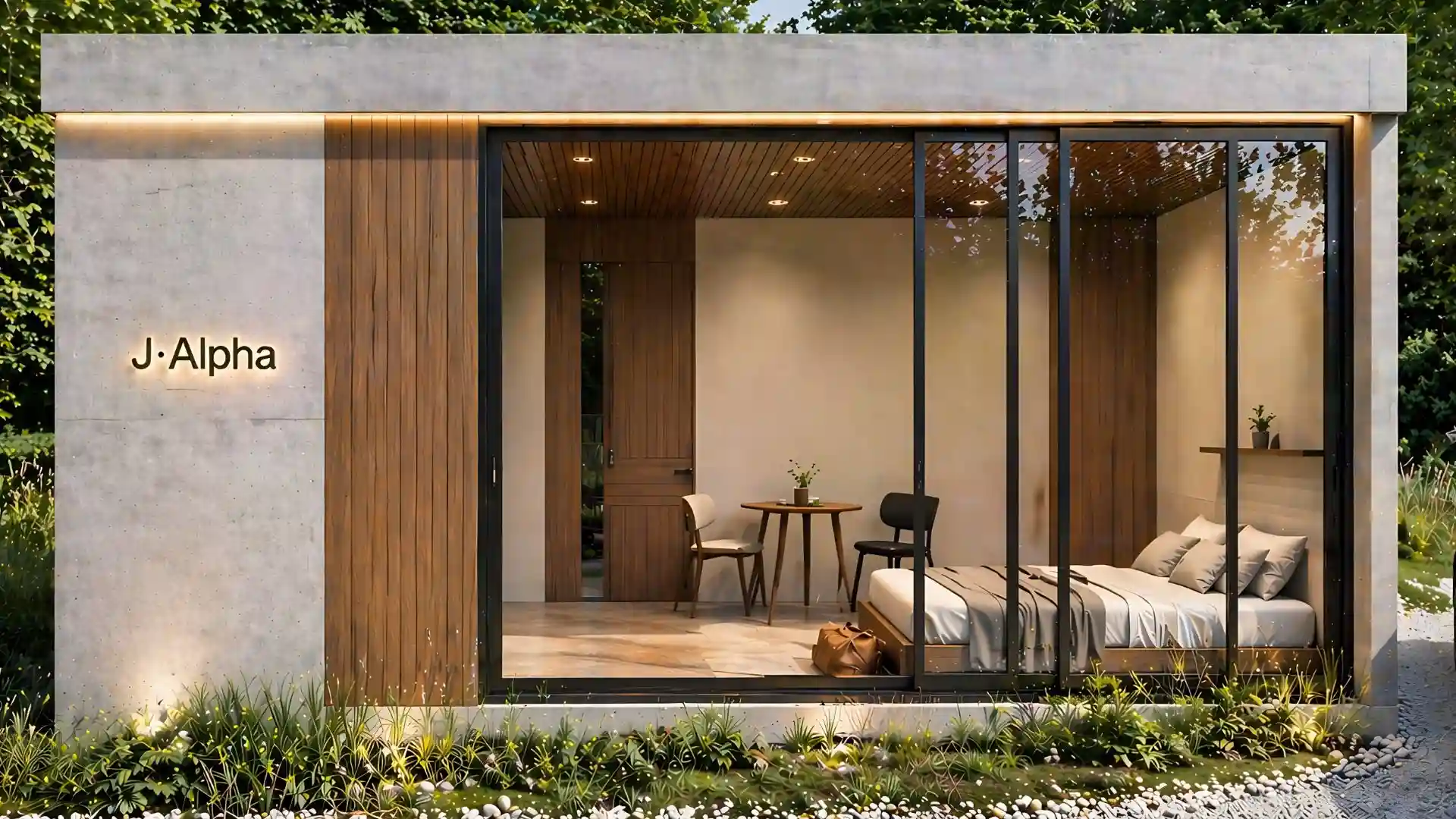
Farm stays: the highest-converting form of rural land monetisation
Of all the land types that suit capsule accommodation, working farms consistently achieve some of the strongest results. Guests are not simply paying for a bed — they are paying for proximity to something authentic. A morning feeding the animals, fresh eggs at breakfast, and the quiet of a paddock at dusk are experiences that are genuinely scarce, and guests will pay meaningfully for them.
The farm stay business model built around Joey Luxe capsules is deliberately straightforward. Your land provides the experience, the capsules provide the comfort standard that justifies a premium nightly rate, and the combination delivers an income stream that runs alongside — rather than competing with — your existing farming operation.
The guides below cover everything from writing your farm stay business plan through to agritourism marketing strategy and ROI benchmarks specific to the Australian market.
Building a farm stay business around capsule accommodation
From writing your first business plan through to ongoing marketing — everything farm property owners need to build and operate a thriving short-stay income stream.
Farm Stay Business Plan
How to structure a farm stay business plan that satisfies lenders, local council, and your own decision-making — with realistic revenue and cost projections.
Read guideFarm Stay ROI
Return-on-investment benchmarks for farm stay operations across Australia, with occupancy scenarios, pricing analysis, and the numbers that separate strong performers from average ones.
Read guideFarm Stay Capsule Accommodation
Why modular capsules outperform traditional farm stay accommodation formats — comfort, speed to market, guest ratings, and the nightly rate premium that premium design commands.
Read guideAgritourism Australia
The agritourism sector in Australia — growth trends, regulatory landscape, government support programs, and how farm operators are positioning for the next wave of rural visitors.
Read guideFarm Stay Marketing
Practical marketing strategies for farm stay operators — which platforms drive the most bookings, how to photograph your property, and the storytelling approach that converts browsers to guests.
Read guideFarm Stay Business Overview
New to the idea? Start here for a top-level view of how a farm stay business works in Australia and whether your property is a candidate.
View overview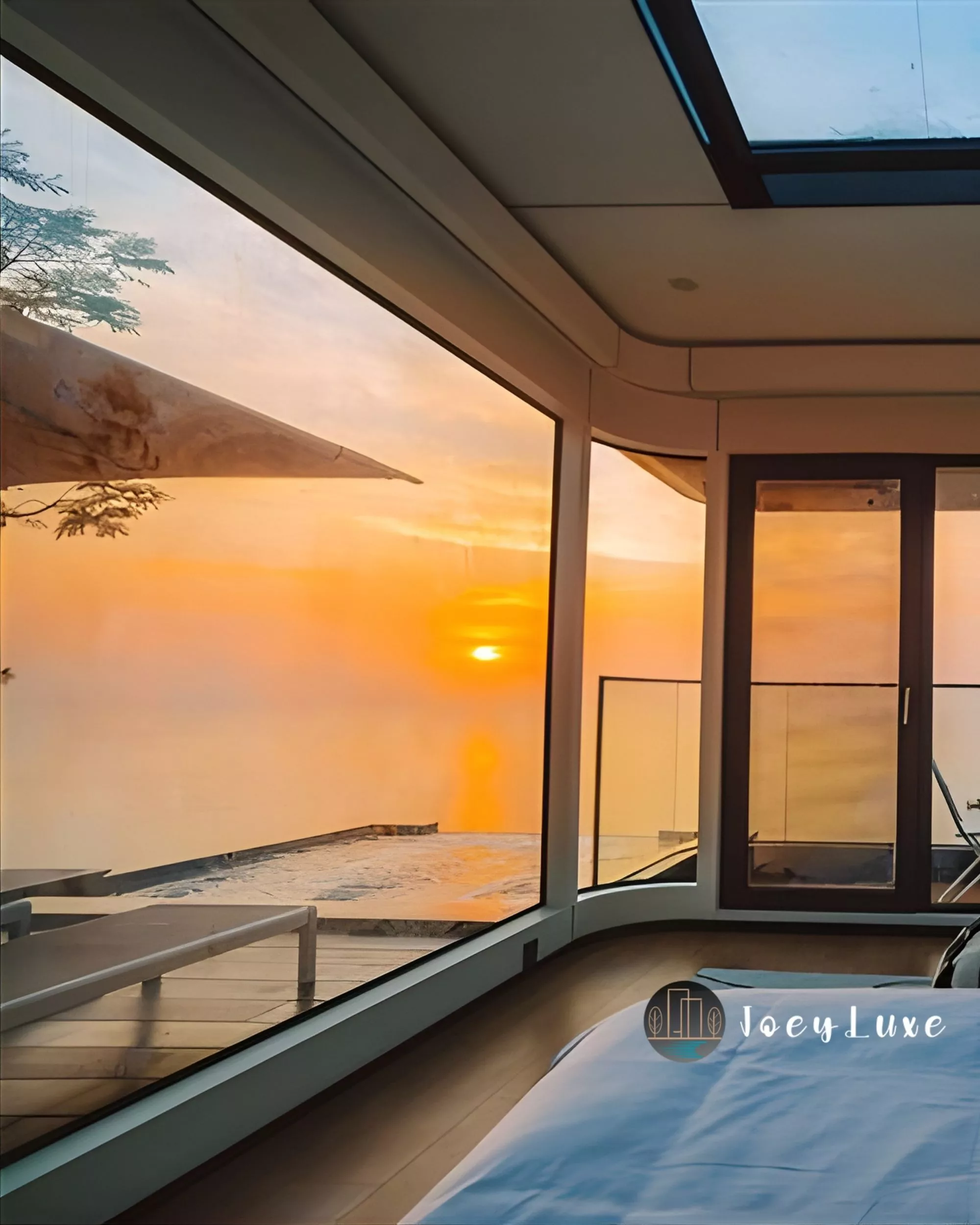
What landowners ask us most often
Find out what your land could earn
Tell us about your property and we'll give you an honest assessment of its potential — no obligation, no pressure, just a straightforward conversation.
Talk to the Joey Luxe team