
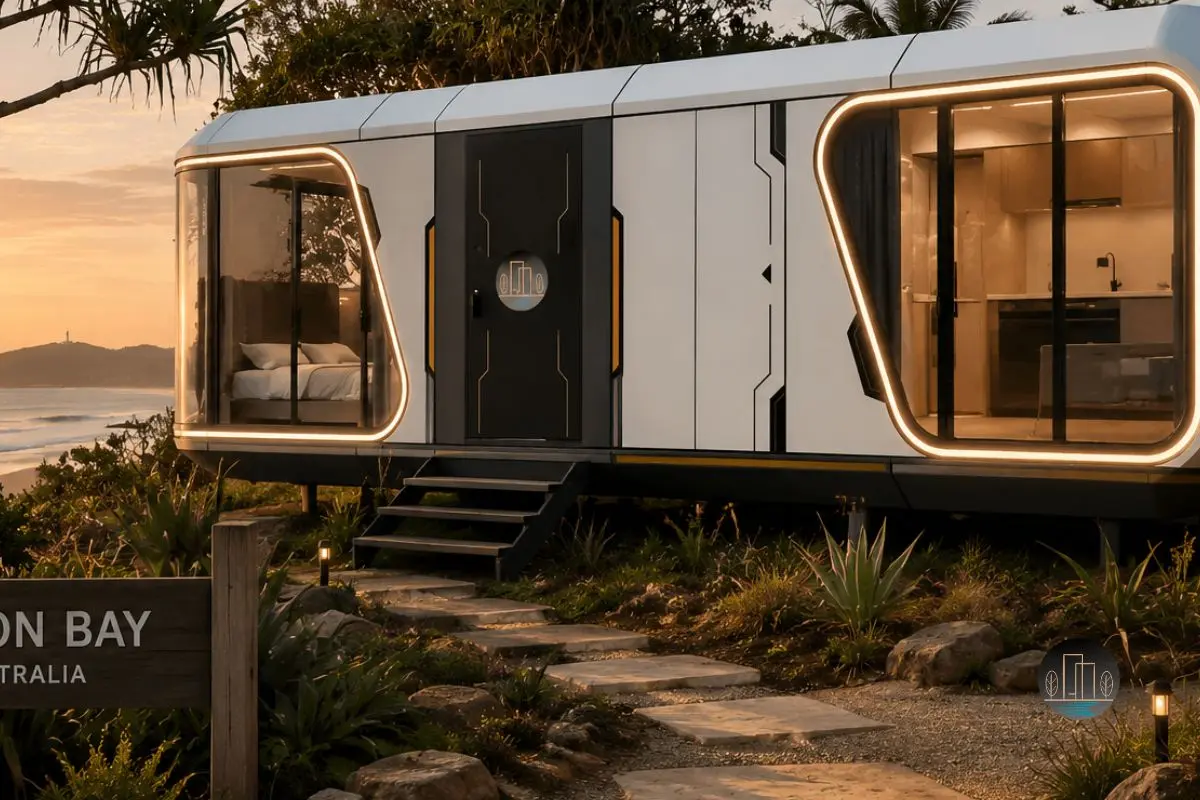
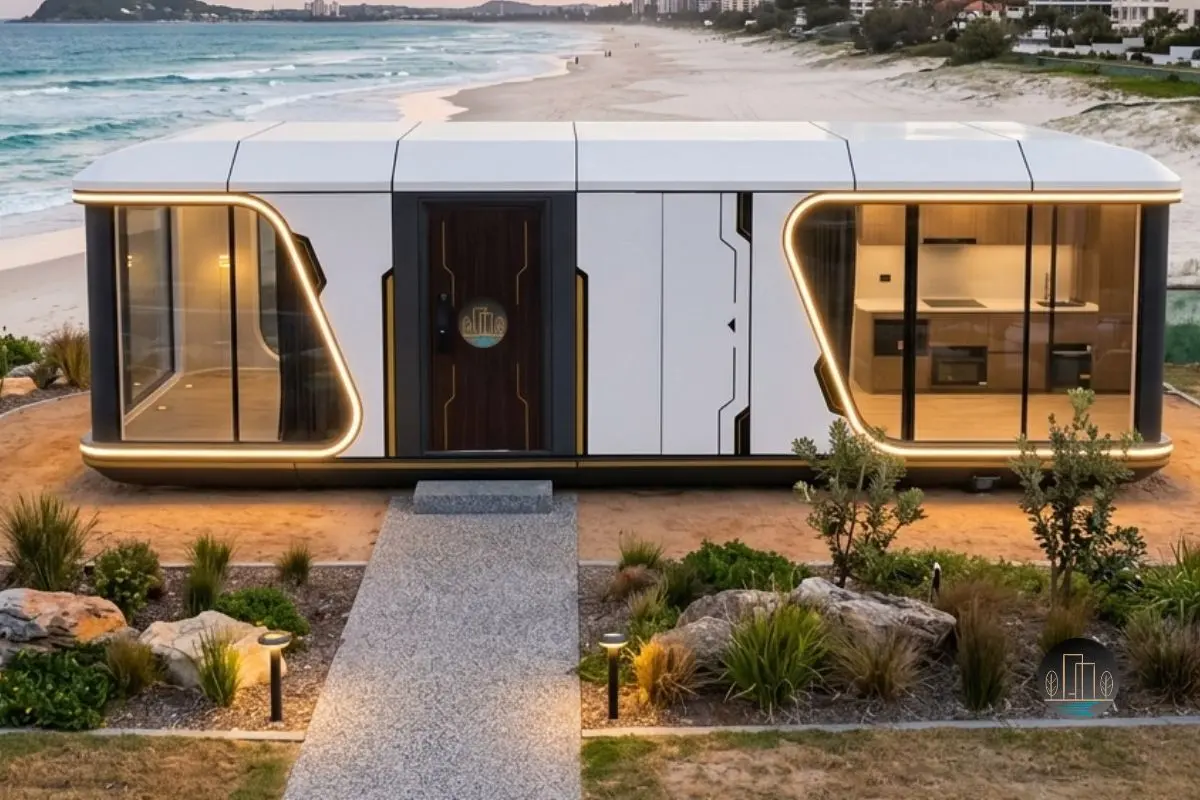
Tourism land.
Activated.
Tourism-zoned land is one of Australia's most underutilised asset classes. Modular capsule accommodation gives landowners a practical, fast, and financially sound way to put that land to work.
Discuss your tourism land Land monetisation overviewWhat tourism land means — and why the opportunity is larger than most owners realise
Tourism land sits at the intersection of planning law and visitor economy. In most Australian states, land classified for tourism use carries with it an implicit permission to host short-stay guests — but the sheer range of what that can look like, from a two-capsule glamping site to a multi-property retreat, means many owners underestimate what they are holding.
The Australian short-stay accommodation market has grown consistently over the past decade, driven by domestic travel demand, a cultural shift toward experience-based holidays, and the rise of booking platforms that give independent operators national reach. Tourism land sits at the centre of that shift.
This page covers what tourism land development looks like in practice, what separates viable sites from marginal ones, and how the guides below help you move from land ownership to income generation with confidence.
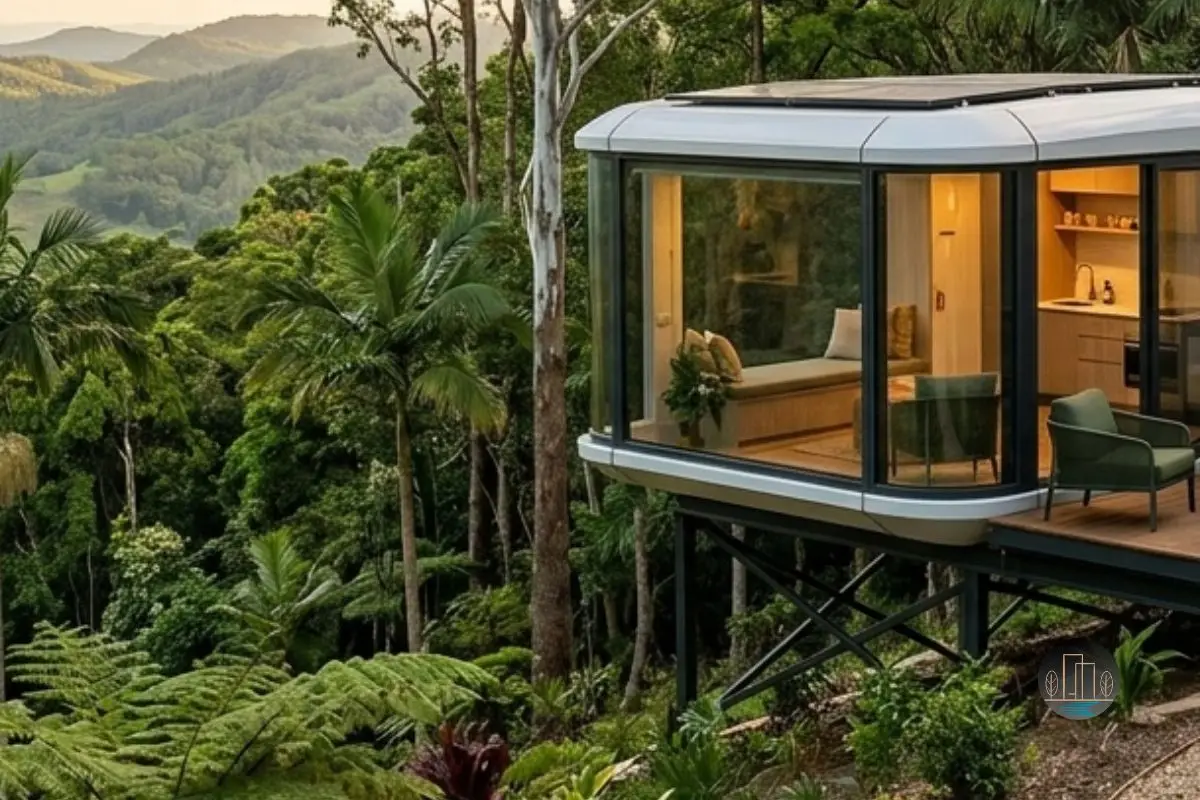
What separates a strong tourism land site from an average one
Not every tourism-zoned block delivers the same result. These are the factors that determine whether a site achieves strong occupancy and premium nightly rates — or struggles to fill at a lower price point.
Scenic or experiential drawcard
Guests choose tourism accommodation for what surrounds it. Elevated views, water frontage, native bushland, or a working farm setting all justify the decision to book over a standard hotel room.
Regional tourism corridor proximity
Sites within 90 minutes of a major city or within a recognised tourism region benefit from established visitor flows. Wine regions, national park edges, and coastal hinterlands consistently outperform isolated locations.
Accessible but not suburban
Guests want a sense of arrival — that they have genuinely left the city. A sealed road and clear signage are enough; the site does not need to be difficult to reach, just distinct from everyday environments.
Manageable services footprint
Power, water, and waste management are the three critical services. Sites that already have grid connection simplify setup; remote sites can operate effectively with solar, rainwater, and composting systems.
Favourable zoning or clear pathway
Existing tourism zoning removes the most significant planning hurdle. Where rezoning is required, local government appetite for tourism development varies significantly — understanding this early shapes the feasibility picture.
Scalable physical layout
The best sites can accommodate additional capsules as the business grows. Starting with two or three units on a property that could hold ten gives operators a clear growth runway without a second approval process.
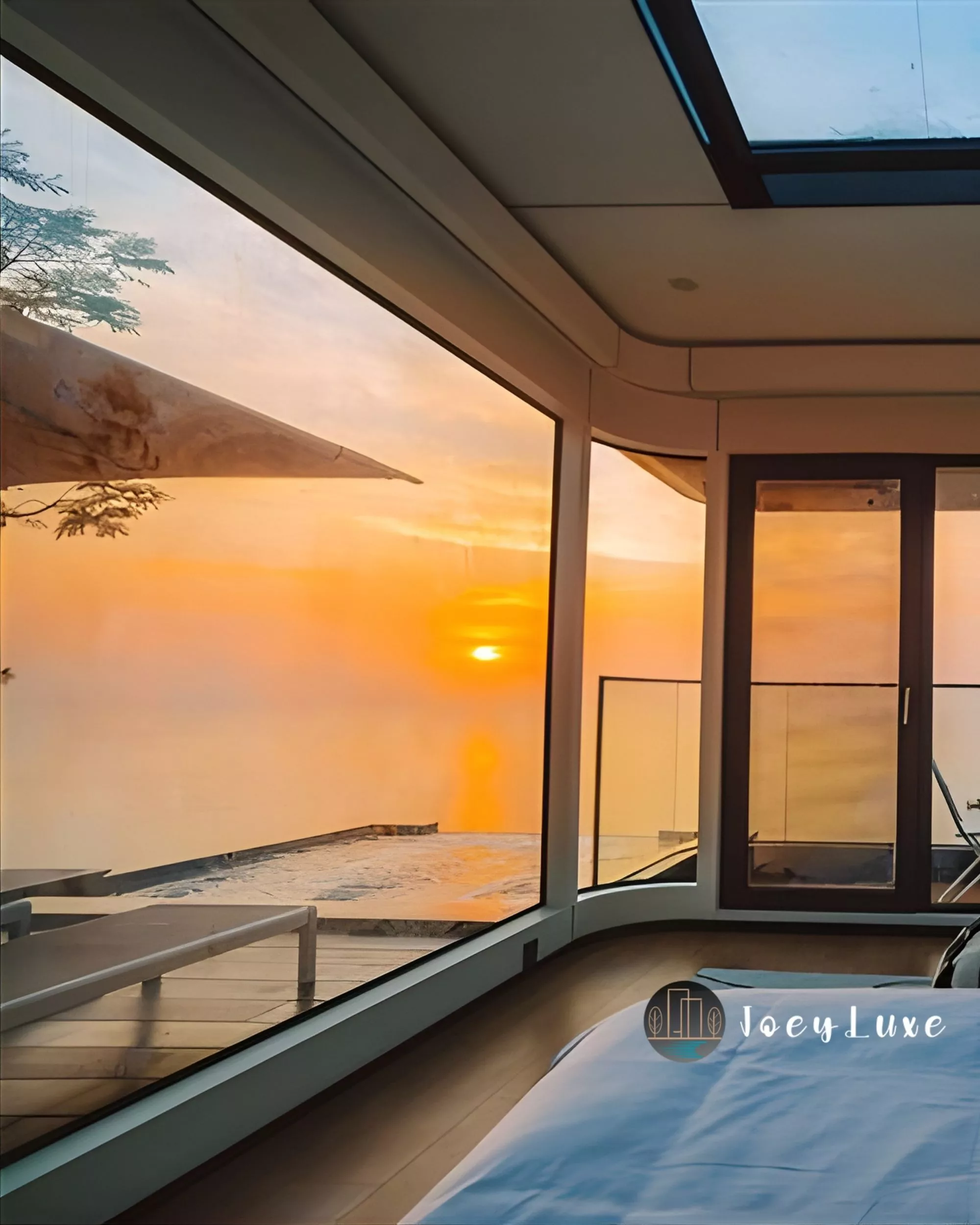
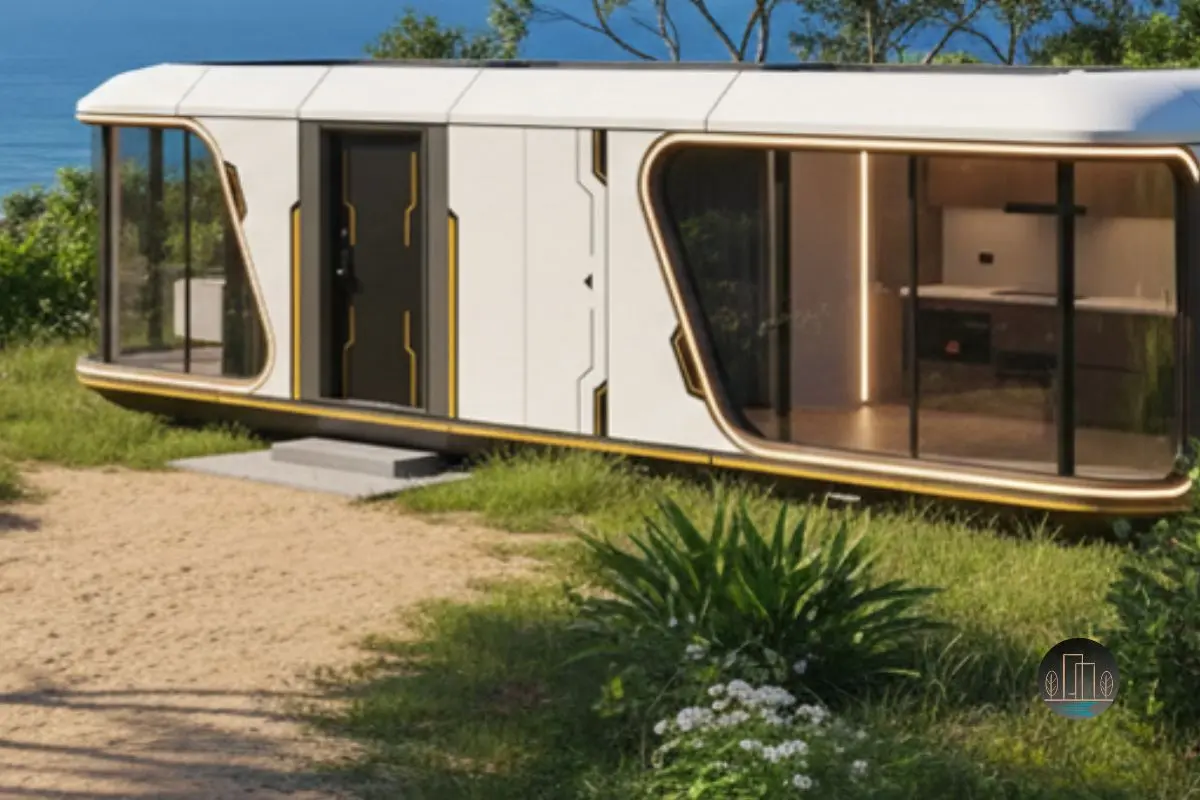
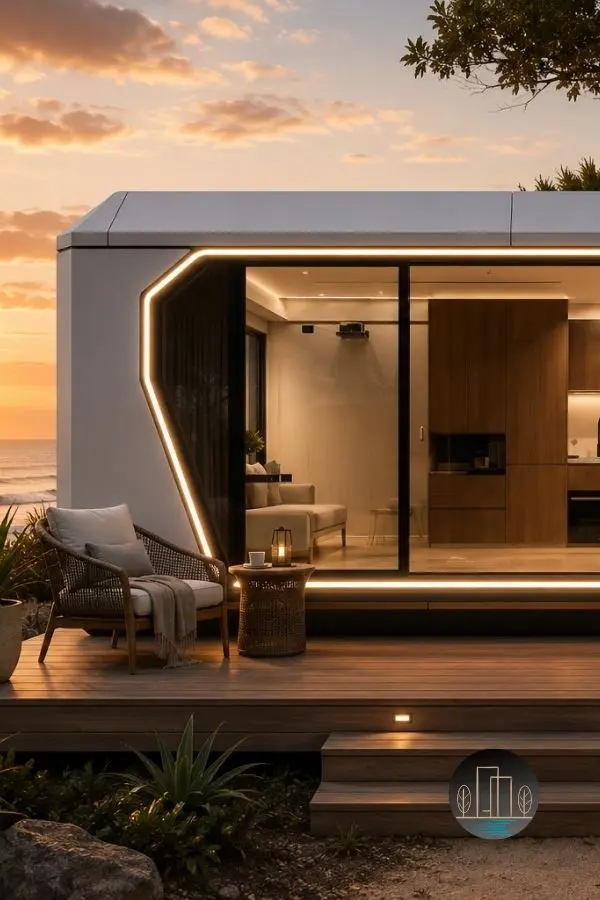
Everything you need to develop and operate tourism land in Australia
Each guide below goes deep on one aspect of the tourism land journey — from initial feasibility through to investment positioning.
Tourism Land Development
The development process in detail — zoning considerations, council engagement, site preparation, and how modular delivery changes the economics and timeline compared to conventional construction.
Read guideTourism Land ROI
Revenue projections, occupancy benchmarks, cost modelling, and return-on-investment analysis for tourism land developed with capsule accommodation across Australian regions.
Read guideTourism Accommodation Opportunities
Where short-stay demand is strongest in Australia, which property types attract the highest nightly rates, and how the landscape is shifting as visitor expectations evolve.
Read guideTourism Feasibility Study
How to build a credible feasibility assessment for a tourism land project — the inputs, the demand analysis methodology, and the go/no-go criteria that guide sound decisions.
Read guideTourism Investment Australia
The investor perspective on Australian tourism property — what institutional and private capital looks for, how to position a tourism land project for external funding, and current market conditions.
Read guideTalk to us about your land
Every tourism land site is different. The fastest way to understand what your property could generate is a direct conversation with the Joey Luxe team.
Get in touchWhy tourism land operators are choosing modular over conventional build
Permanent construction on tourism land is a long process. Council approvals, design documentation, tendering, and construction can stretch a project timeline to 18 months or more before the first guest checks in. That is 18 months of holding costs with no revenue to offset them.
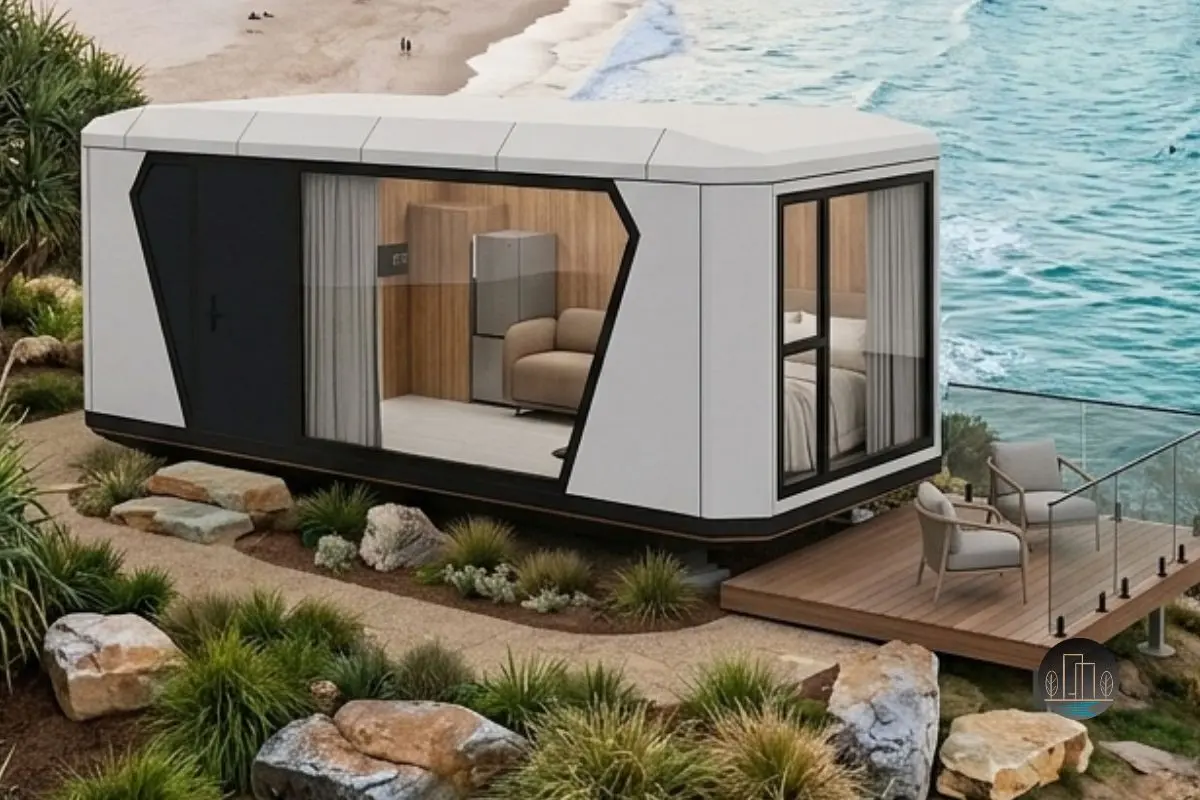
Joey Luxe capsules sidestep most of that. Arriving in a largely finished state, placed on prepared footings, and connected to services in days, the path from site approval to first booking is measured in weeks rather than seasons. The units meet hotel-grade standards, which means operators do not sacrifice nightly rate for speed.
There is also a flexibility dimension that permanent construction cannot offer. A modular capsule can be repositioned on site, reconfigured, or sold independently if your strategy shifts. That option value is meaningful on tourism land where planning conditions can change over time.
Tourism land questions, answered
Find out what your tourism land could generate
Tell us about your site and we'll give you an honest view of its potential — revenue estimates, site suitability, and next steps, at no cost.
Talk to the Joey Luxe team