
Glamping Village Australia
Build a Glamping Village
That Earns While You Sleep
Modular capsule units engineered for Australian conditions. Deploy one pod or a full village — with nightly rates of $250–$600+ and payback periods under three years.
The Opportunity
Australian glamping is a land-use story — and the land is ready
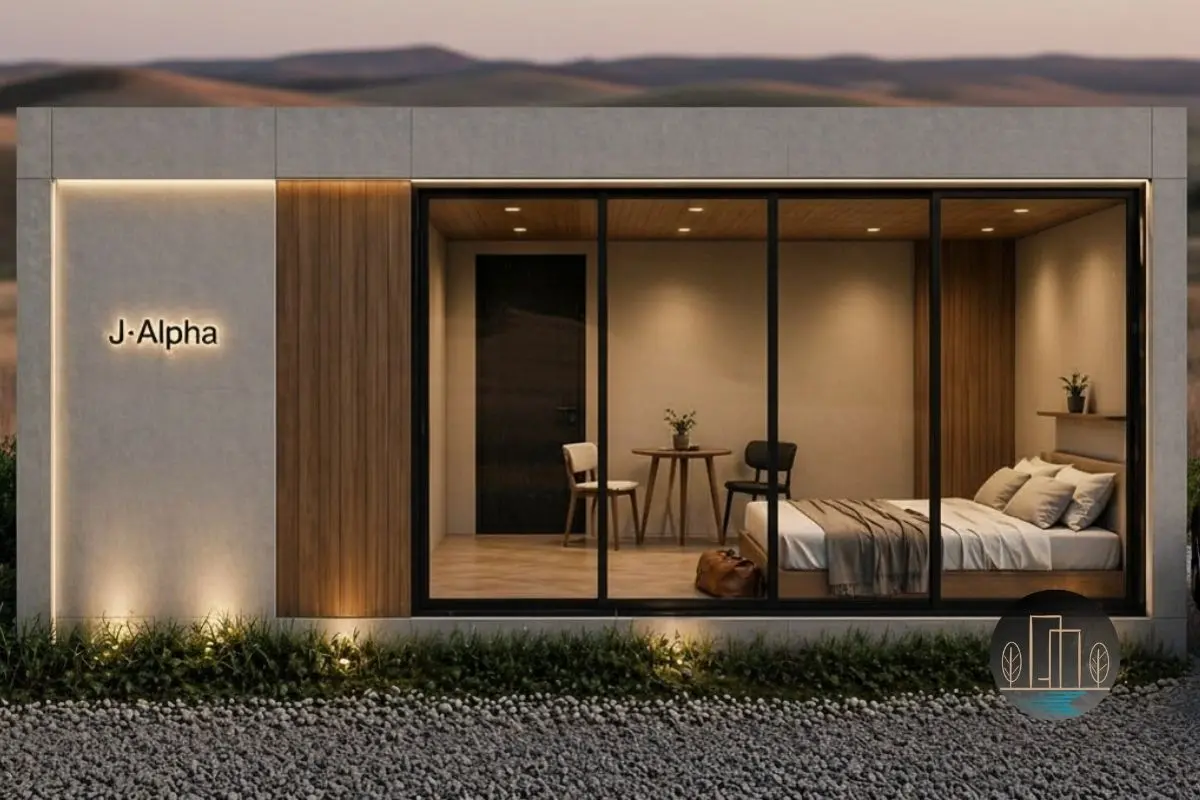
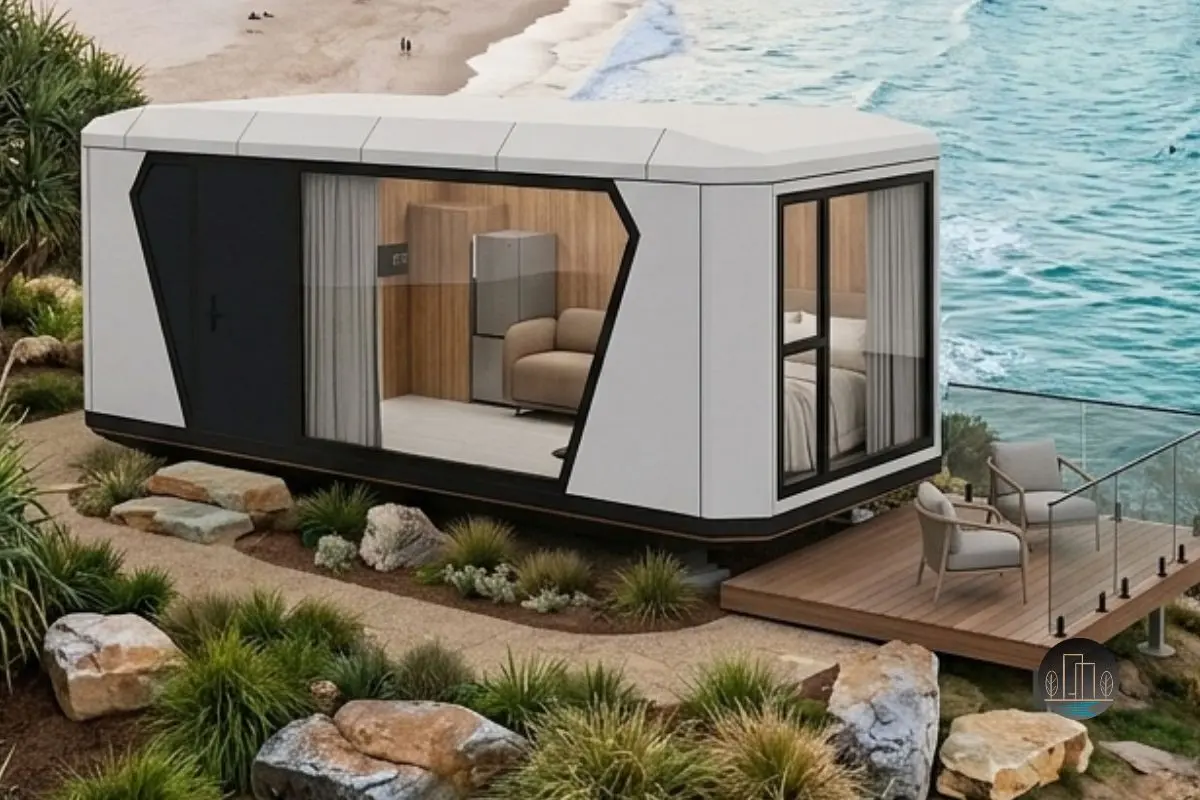
Australia's short-stay market has permanently shifted toward experience-first accommodation. Travellers who once spent their holiday budgets on overseas flights now book premium local stays — a private capsule on a vineyard ridge, a forest retreat with floor-to-ceiling glass, a coastal pod with a sunrise that needs no filter.
For landowners and hospitality operators, this creates a precise window: domestic demand is high, supply of premium modular accommodation is still thin, and the economics of permanent structure glamping outperform canvas on every metric that matters — yield per key, occupancy seasonality, and long-term asset value.
This resource covers everything a glamping operator needs to move from vacant land to operating income — site selection, planning, unit selection, marketing, and the numbers that underwrite the decision.
Full Capsule Hospitality Guide →Deep Dives
Everything a glamping operator needs to know
Six detailed resources — from business planning through to marketing — covering the full lifecycle of a glamping operation.
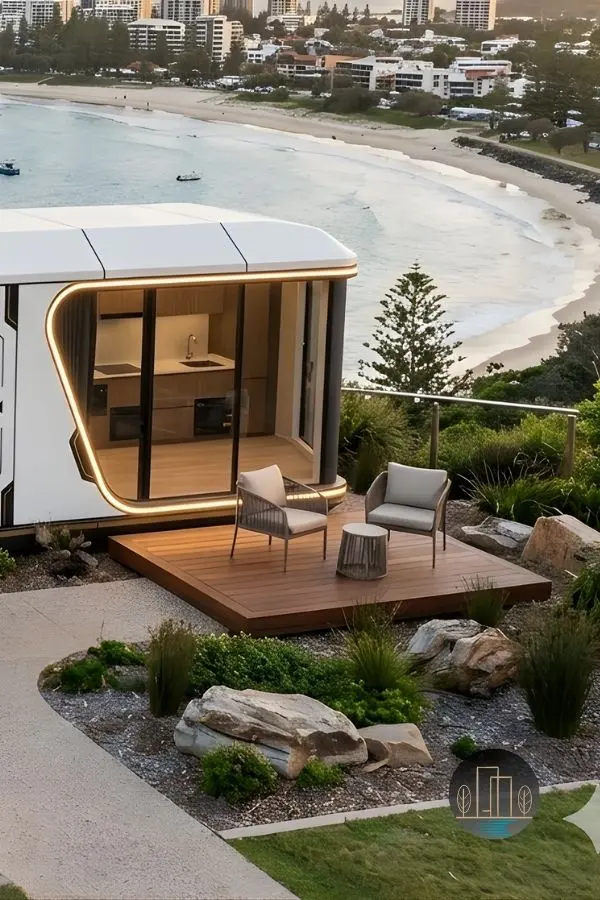
Business Planning
How to Start a Glamping Business in Australia
Licensing, structure, capital planning, and the five decisions that determine whether your glamping operation succeeds.
Read guide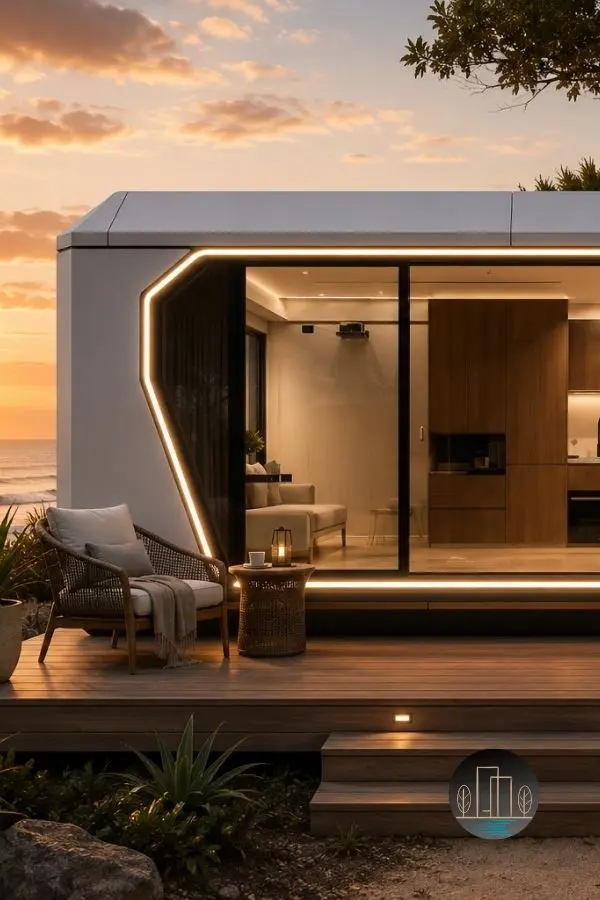
Investment Returns
Glamping ROI — Real Yield Data & Income Scenarios
Nightly rate benchmarks, occupancy data, payback periods, and an interactive income calculator for Australian operators.
View ROI data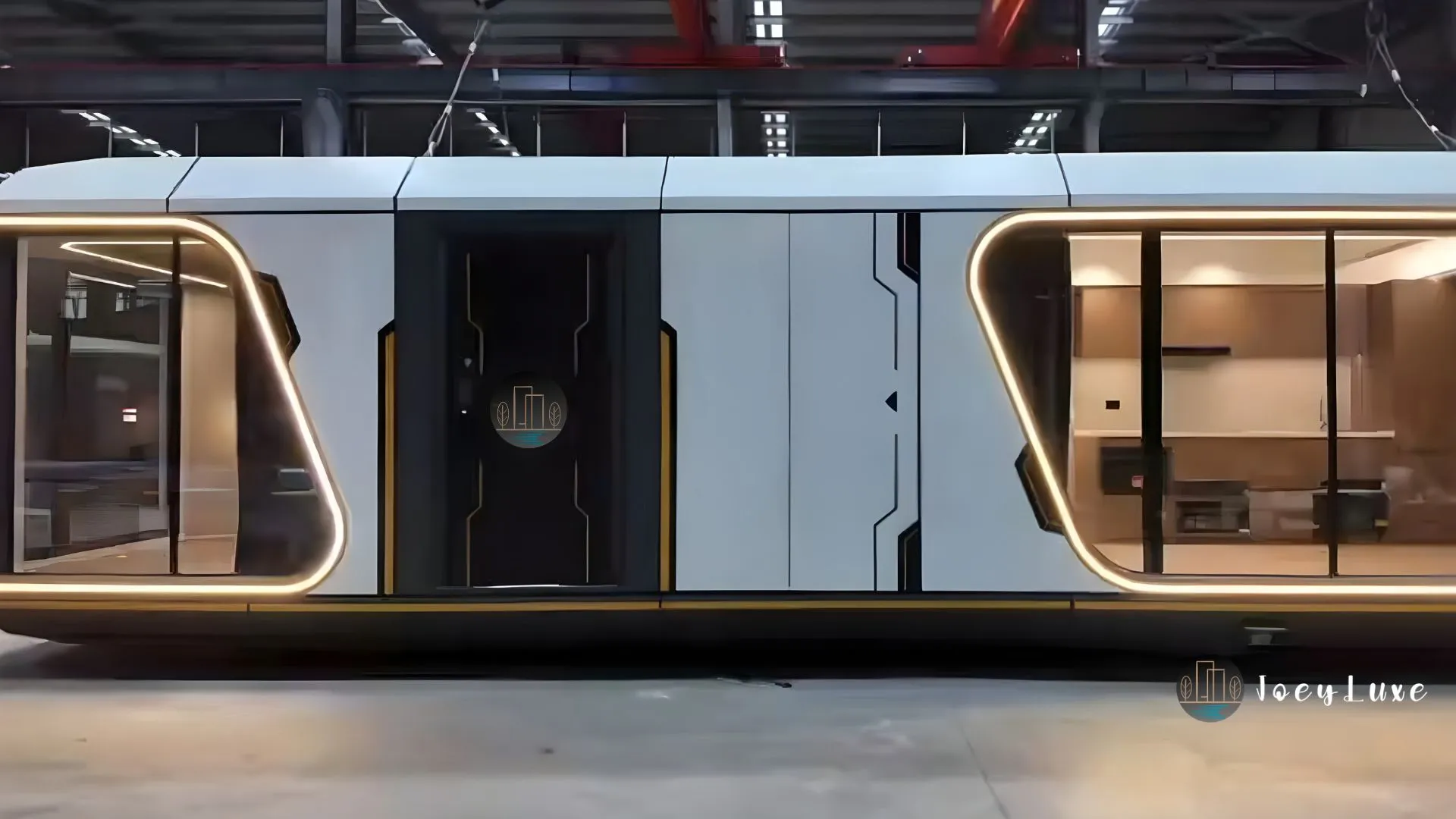
Product Guide
Luxury Glamping Pods — Specifications & Rate Potential
What separates a $280/night pod from a $550/night one — materials, features, and the design details guests pay a premium for.
Explore pods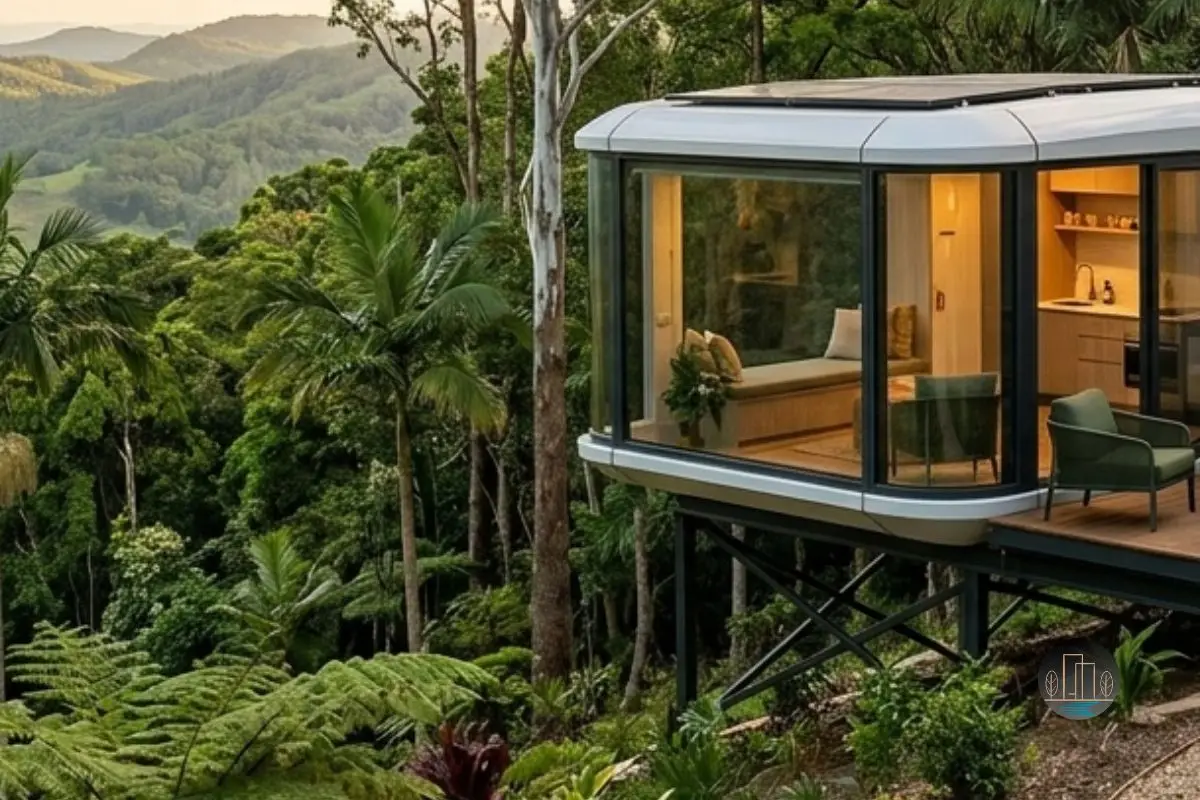
Units & Models
Capsule Glamping Units — Models, Layouts & Configurations
Single-key and multi-key capsule configurations — from compact 1BR retreats to 2BR family villas for higher nightly yields.
Compare units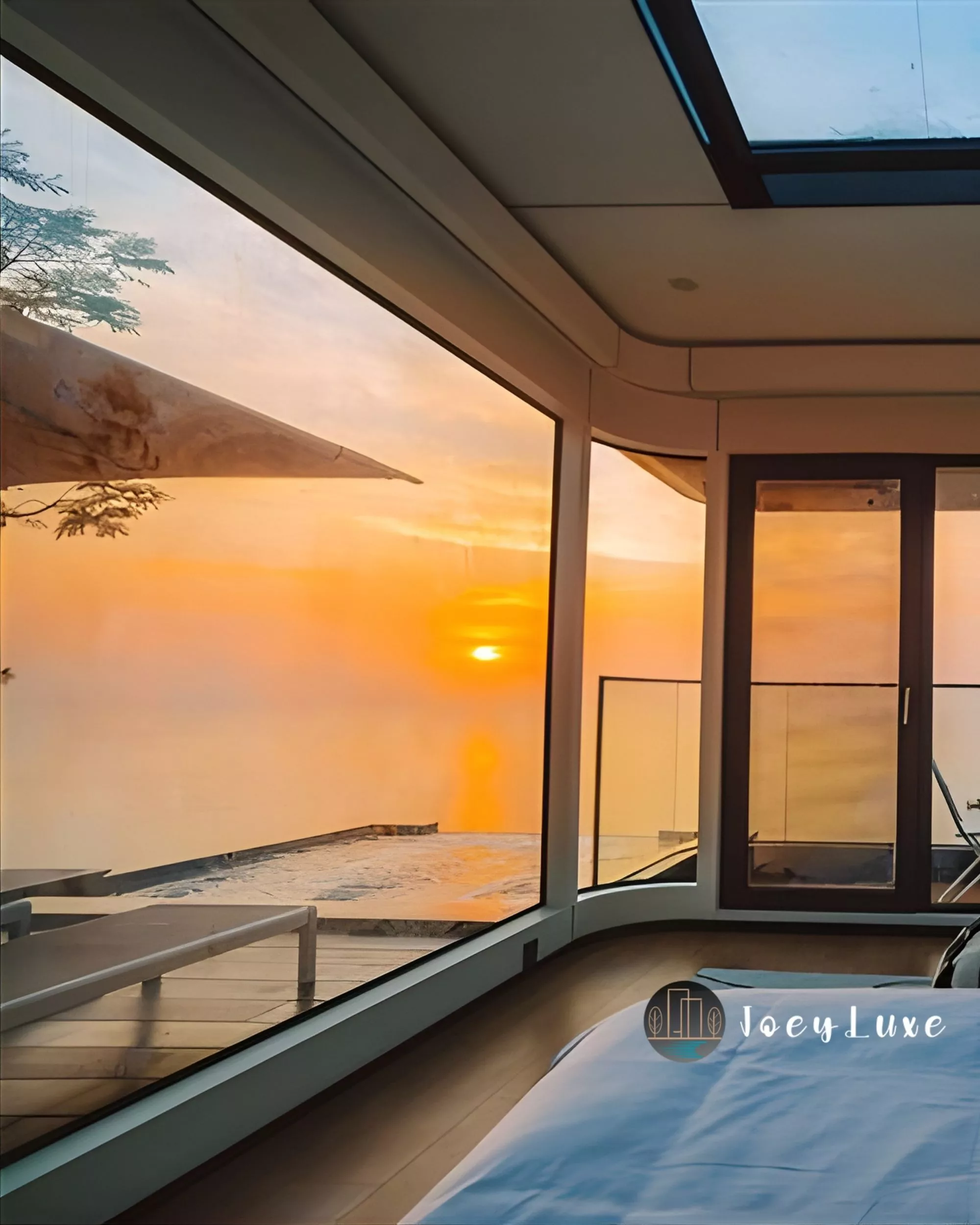
Site Strategy
Glamping Site Selection — What the Best Operators Get Right
The location variables that directly influence your nightly rate ceiling — zoning, views, access, and proximity to demand drivers.
Site criteria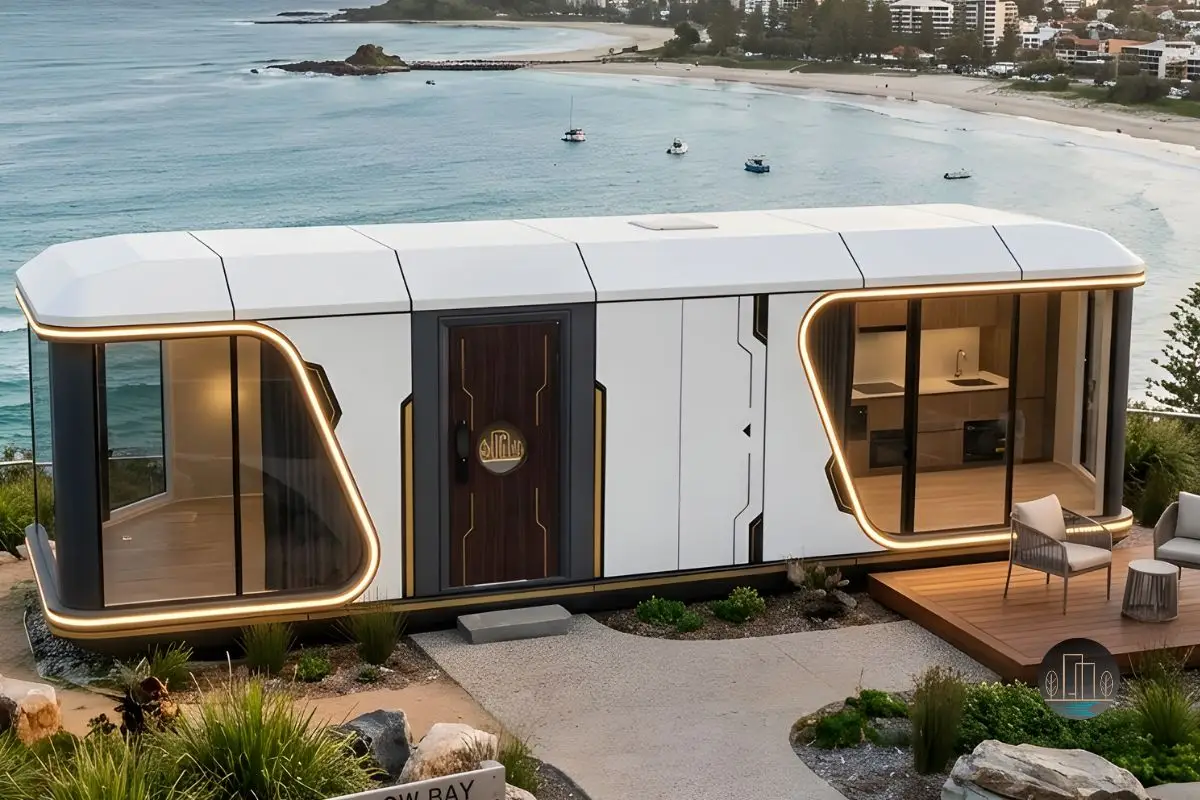
Growth & Revenue
Glamping Marketing — Booking Channels, Photography & Pricing
How to build occupancy from day one — listing strategy, photography standards, dynamic pricing, and repeat guest systems.
Marketing guideWhy Permanent Structure
Why modular capsules outperform canvas glamping on every ROI metric
Canvas and bell tent glamping carries a structural ceiling: weather-dependent occupancy drops of 30–40% in winter, a five-to-ten-year lifespan, and nightly rates that plateau around $200–$280 because guests instinctively know what they are paying for.
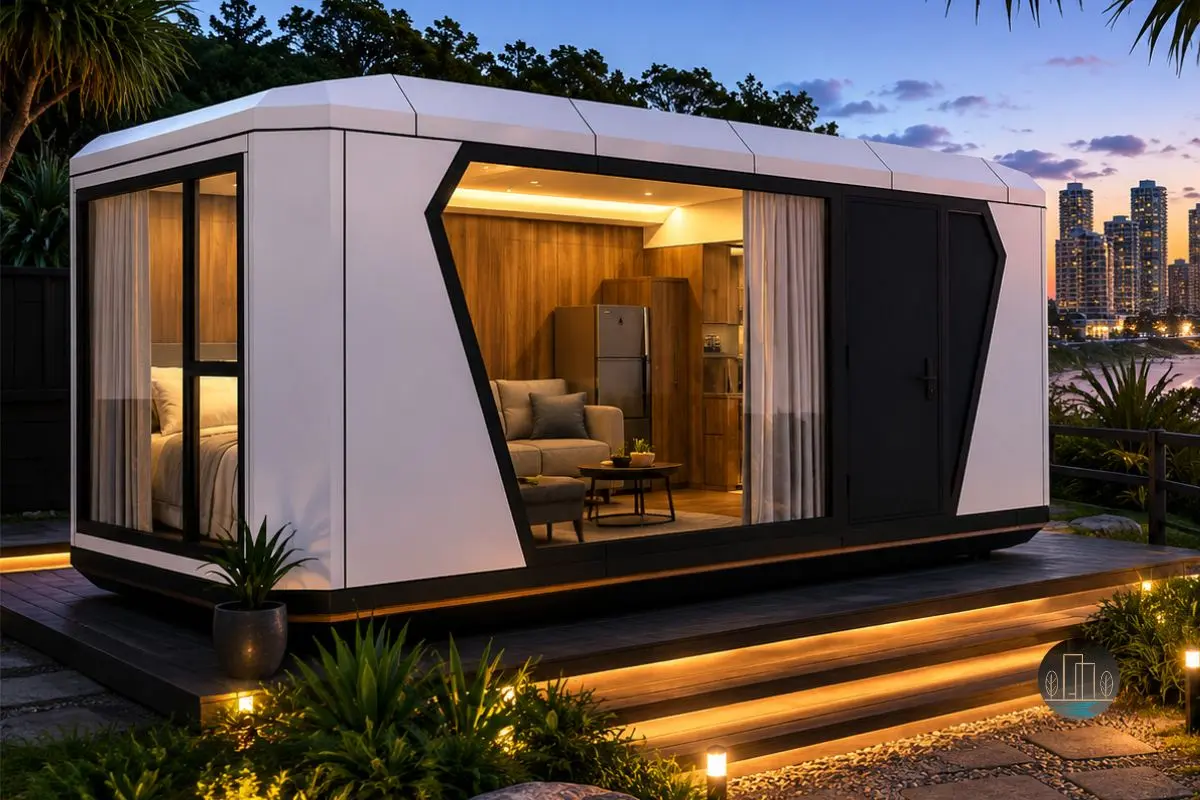
Modular capsule villas remove all three constraints. Double glazing and full insulation deliver year-round thermal comfort — your occupancy doesn't crater in June. A 30+ year structural lifespan means the asset outlasts multiple revenue cycles. And a design that reads as architecture, not camping, routinely commands $350–$600+ per night.
The result is a fundamentally different business model: higher revenue per key, lower seasonality risk, and an asset that holds or grows in value on your balance sheet.
See capsule hospitality models →Scaling from One to Many
Start with one pod. Build a village. The unit economics scale in your favour.
One of the structural advantages of modular glamping is the ability to stage investment. Many operators begin with a single Jetstone or Juniper unit, let the revenue and review data establish the property's rate ceiling, then add units as cashflow permits.
By the time a second and third unit are operational, shared infrastructure costs — access roads, utilities, check-in facilities — are already in place. The marginal cost of adding a unit falls while the marginal revenue stays constant or increases as the property builds a portfolio review score.
A four-to-six unit village on well-selected land, with strong photography and dynamic pricing, is a self-sustaining hospitality business — one that generates income without requiring the operator to be on-site.
View ROI projections →How It Works
From land to operating income — the four stages
Site assessment & feasibility
Evaluate your land for zoning compliance, access requirements, utility connections, and the scenic quality that determines your rate ceiling.
Unit selection & configuration
Choose the right Joey Luxe model for your site — 1BR Jetstone for couples retreats, 2BR Juniper for family and group bookings — and configure the finish level to your target market.
Delivery & installation
Factory-built units are delivered and installed on prepared footings in days, not months. No construction delays, no trade coordination, no weather dependencies.
Launch & optimise
List on Airbnb, Stayz, and direct channels with professional photography. Implement dynamic pricing and a review strategy from day one to reach target occupancy within the first quarter.
Questions
Glamping village — what operators ask us first
Related Reading